

“ABA Therapy: Complete Guide and Benefits”

ABA therapy, or Applied Behavior Analysis, is a scientifically proven method to improve behaviors and skills, especially in individuals with autism spectrum disorder. It uses data-driven techniques to promote positive changes in real-world settings.
What is ABA Therapy?
Applied Behavior Analysis (ABA) studies how behaviors connect to their triggers and consequences. Therapists break down skills into small steps, teaching them through repetition and reinforcement to build independence.
This evidence-based approach has been used since the 1960s, helping with communication, social skills, and daily living. It’s endorsed by organizations like the National Autism Center for its up to 80% success rate in key improvements.
How ABA Therapy Works
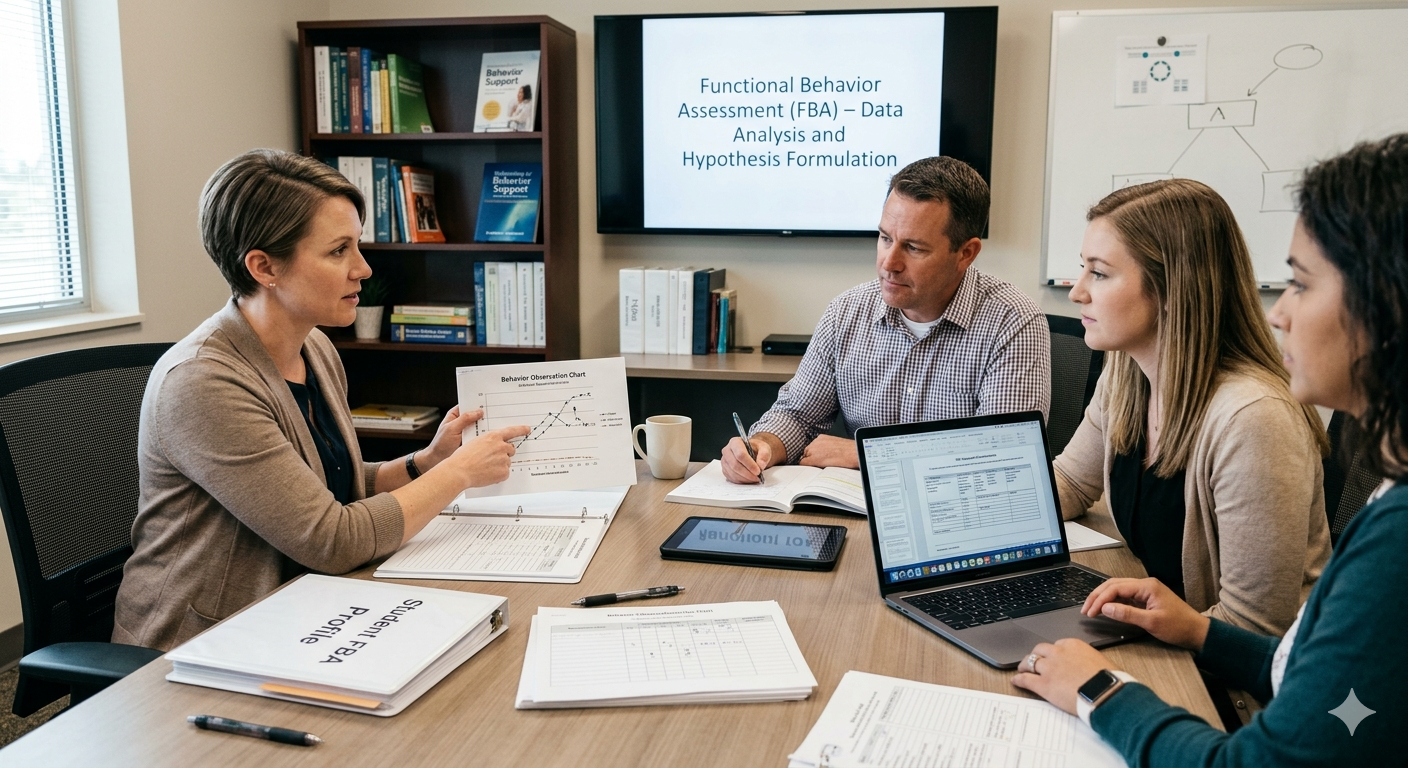
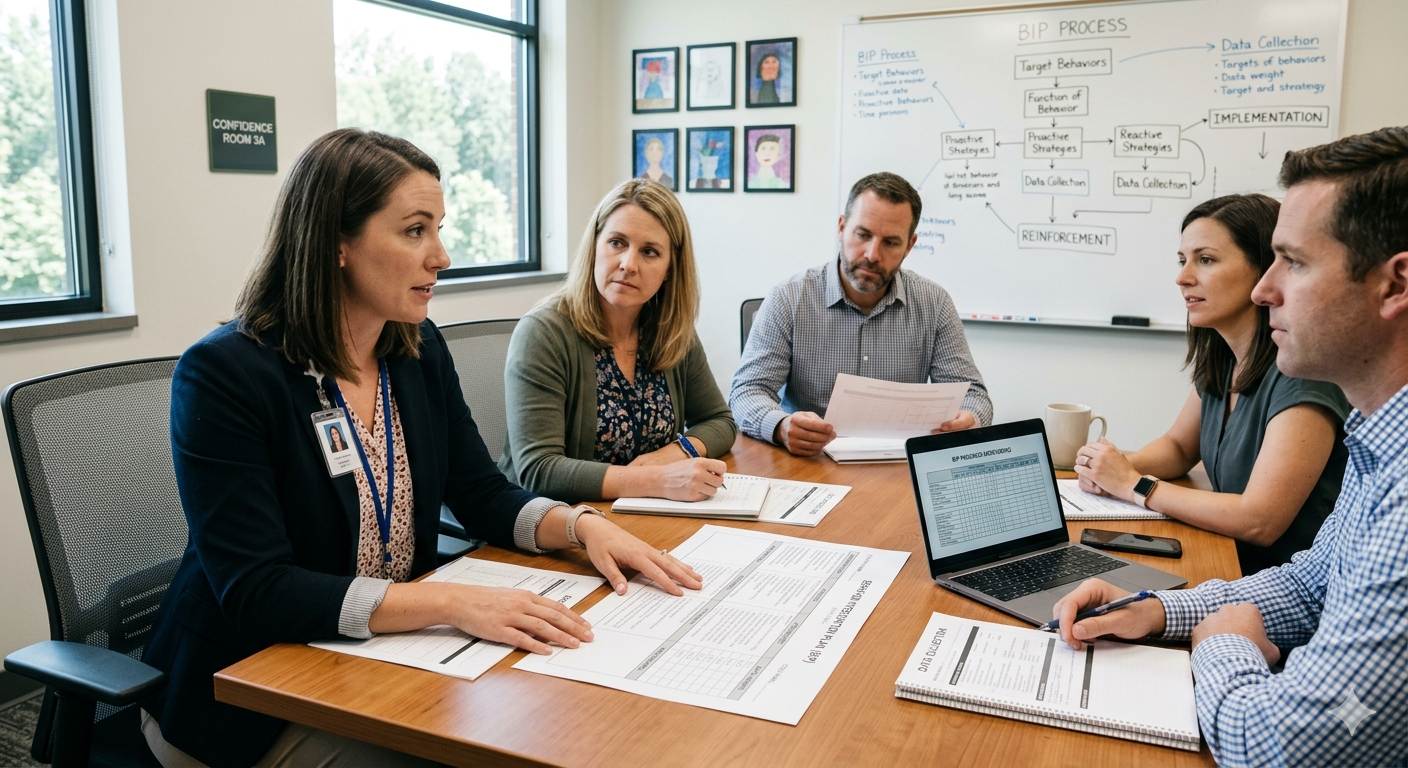
Sessions start with a Functional Behavior Assessment (FBA) to pinpoint behavior causes. A Board Certified Behavior Analyst (BCBA) then creates a personalized plan with measurable goals.
Therapists collect data during sessions to track progress and adjust strategies. Plans often involve parents for consistency across home, school, and community.
Core Techniques
ABA employs various methods tailored to needs:
-
Positive Reinforcement: Rewards like praise or toys follow desired behaviors to encourage repetition.
-
Discrete Trial Training (DTT): Structured teaching with clear instructions, responses, and feedback.
-
Natural Environment Teaching (NET): Learning in everyday settings for practical skill use.
-
Prompting and Fading: Cues guide actions, gradually removed for independence.
Other tools include ABC analysis (antecedent-behavior-consequence), shaping, and modeling.
Benefits and Outcomes
ABA boosts language, focus, social abilities, and reduces issues like self-harm. It fosters long-term independence and quality of life.
Studies show major gains in 80% of children, with skills generalizing to new environments. Early, intensive intervention (20-40 hours weekly) yields best results.
Getting Started
Consult a BCBA for assessment and insurance often covers it. Local clinics adapt ABA while following global standards.