


Occupational Therapy Assistant: Your Guide to This Rewarding Healthcare Career
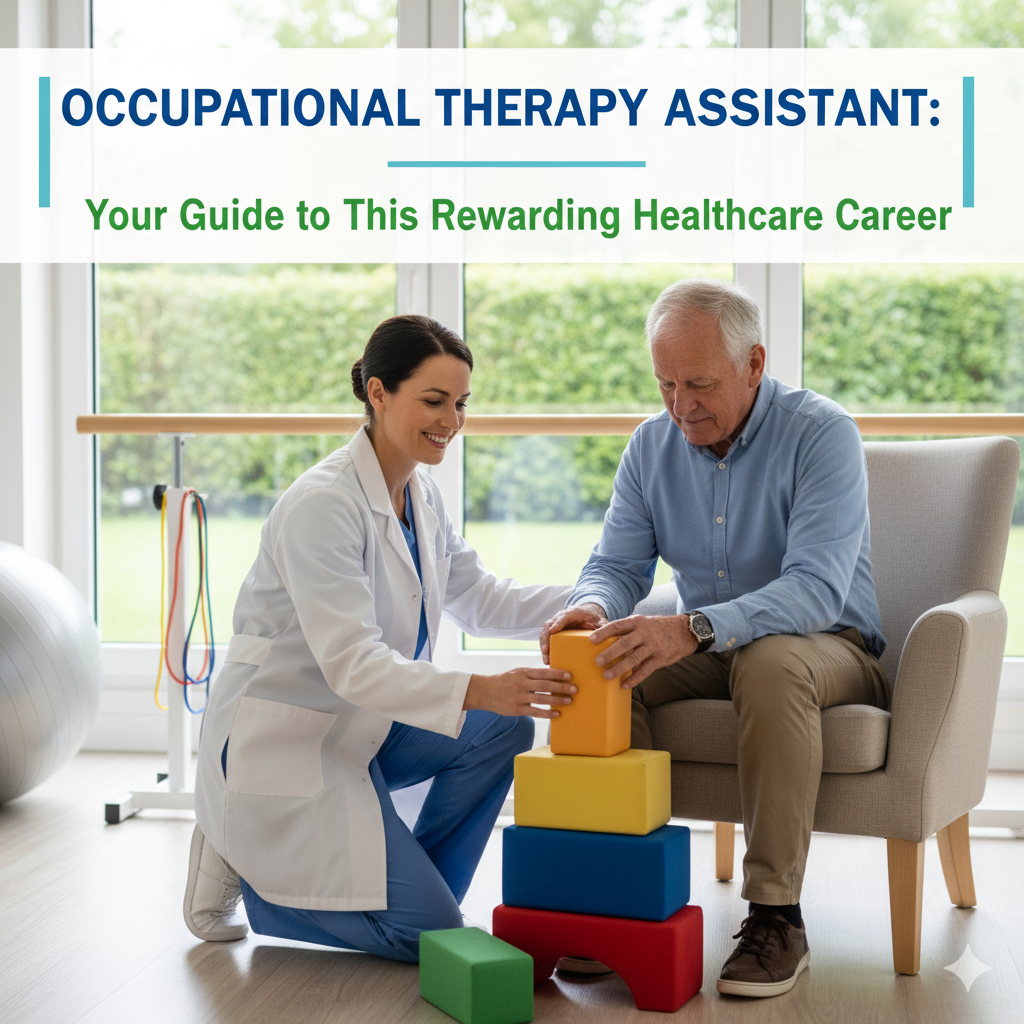
In today’s fast-paced world, where injuries, aging, and developmental challenges affect millions, occupational therapy assistants (OTAs) play a vital role in helping people regain independence. If you’re exploring healthcare careers that blend compassion with hands-on problem-solving, becoming an occupational therapy assistant might be your perfect fit. These professionals work alongside occupational therapists to improve patients’ daily lives—think teaching a stroke survivor to dress independently or helping a child with autism master playground skills.
What Is an Occupational Therapy Assistant?
An occupational therapy assistant supports licensed occupational therapists in delivering therapy that focuses on everyday activities, or “occupations,” like self-care, work, and leisure. Unlike occupational therapists, who design treatment plans and require a master’s degree, OTAs implement those plans under supervision.
OTAs assess patients’ needs, guide exercises, and track progress. They adapt environments—such as modifying a kitchen for arthritis sufferers—and use tools like adaptive utensils or sensory integration toys. In the U.S., the Bureau of Labor Statistics projects 1.7% job growth for OTAs through 2032, with a median salary of around $65,280 annually, making it a stable choice amid rising demand for rehab services.
Key Responsibilities of an Occupational Therapy Assistant
OTAs wear many hats in clinics, hospitals, schools, and home health settings. Here’s what a typical day looks like:
-
Patient Care: Demonstrate exercises, monitor mobility, and teach coping strategies for conditions like dementia or carpal tunnel.
-
Documentation: Record session notes, outcomes, and equipment needs using electronic health records.
-
Collaboration: Work with therapists, doctors, and families to customize interventions.
-
Education: Train patients and caregivers on home modifications, like installing grab bars for fall prevention.
For example, an OTA might help a veteran with PTSD reintegrate into the workforce by practicing job interview skills in a simulated office setup.
How to Become an Occupational Therapy Assistant
Ready to launch your OTA career? It’s one of the more accessible paths in allied health. Follow these steps:
-
Earn an Associate Degree: Complete a 2-year program accredited by the Accreditation Council for Occupational Therapy Education (ACOTE). Expect courses in anatomy, kinesiology, and therapeutic techniques.
-
Pass the NBCOT Exam: After graduation, take the Certified Occupational Therapy Assistant (COTA) exam from the National Board for Certification in Occupational Therapy.
-
Get Licensed: Most states require state licensure, which hinges on NBCOT certification. Renew every 1-3 years with continuing education.
-
Gain Experience: Start in entry-level roles; fieldwork during school provides hands-on training.
Programs cost $5,000–$20,000 total, and many offer online options for flexibility. Pro tip: Look for scholarships from the American Occupational Therapy Association (AOTA).
Why Pursue a Career as an Occupational Therapy Assistant?
OTAs report high job satisfaction—81% in AOTA surveys—thanks to tangible impacts. You build lasting patient relationships, enjoy variety (no two days alike), and have strong work-life balance with standard 40-hour weeks.
Challenges exist, like physical demands or emotional cases, but the rewards shine: helping kids with sensory processing disorder thrive in school or enabling seniors to age in place. Demand surges in pediatrics, geriatrics, and mental health, especially post-pandemic.
The Future of Occupational Therapy Assistants
Telehealth and tech like VR rehab tools are expanding OTA roles, letting them reach rural patients. With an aging population—expected to hit 80 million U.S. adults over 65 by 2040—opportunities abound.
If you’re passionate about empowering lives, train as an occupational therapy assistant today. Check AOTA.org for programs near you and start your journey toward a fulfilling career.