

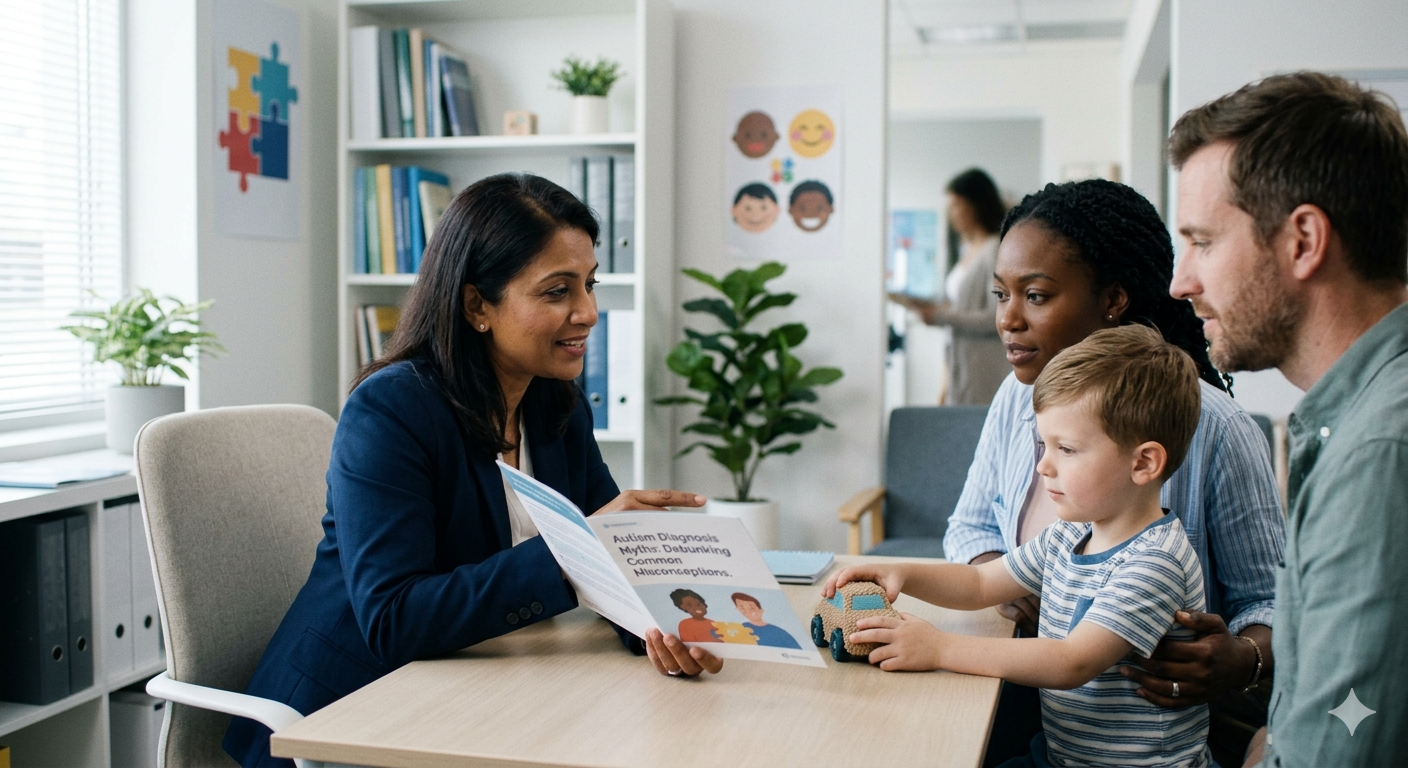
Special Education Teacher: Guiding Every Child’s Unique Journey to Success

In today’s diverse classrooms, the special education teacher plays a pivotal role in unlocking the potential of students with unique learning needs. These dedicated educators go beyond traditional teaching, crafting personalized strategies that foster growth, independence, and confidence. If you’re exploring careers in education or seeking insights into how special education works, this guide breaks down everything you need to know about becoming or partnering with a special education teacher.
What Does a Special Education Teacher Do?
A special education teacher specializes in supporting students with disabilities, including autism, dyslexia, ADHD, physical challenges, and developmental delays. Unlike general educators, they develop Individualized Education Programs (IEPs)—custom roadmaps outlining goals, accommodations, and progress tracking.
Daily responsibilities include:
-
Assessing needs: Conducting evaluations to identify strengths and barriers.
-
Adapting lessons: Modifying curriculum with tools like visual aids, hands-on activities, or tech like speech-to-text software.
-
Collaborating: Working with parents, therapists (e.g., speech or occupational), and general teachers for inclusive settings.
-
Building skills: Teaching life skills, social-emotional learning, and academic basics in self-contained classrooms or mainstream environments.
For example, a special education teacher might use gamified apps to help a child with dyslexia master phonics, turning frustration into triumph.
Essential Qualifications to Become a Special Education Teacher
Aspiring special education teachers need a blend of education, certification, and passion. Here’s the typical path in the U.S.:
-
Bachelor’s degree: In special education, elementary education, or a related field.
-
Teaching license: State-specific certification, often requiring 24-36 credit hours in special ed coursework.
-
Advanced credentials: Many pursue a master’s for roles in high-needs areas; Board Certified Behavior Analyst (BCBA) adds expertise in behavioral support.
-
Practical experience: Student teaching or internships in diverse settings.
Continuing education is key—staying current with laws like the Individuals with Disabilities Education Act (IDEA) ensures compliance and innovation. Salaries average $62,000 annually (U.S. Bureau of Labor Statistics, 2025), with higher pay in urban districts.
Challenges Faced by Special Education Teachers
The role demands resilience. Special education teachers often juggle large caseloads (up to 20 students per IEP), emotional burnout from high-stakes advocacy, and resource shortages. Post-pandemic data shows 40% report staffing gaps, per the National Center for Education Statistics.
Yet, solutions abound:
-
Tech integration: Tools like Google Classroom or AI-driven adaptive learning platforms ease planning.
-
Self-care: Mindfulness training and peer support networks combat fatigue.
-
Policy wins: Recent federal funding boosts for IEPs highlight growing investment.
Why Special Education Teachers Are Heroes in Inclusive Education
Special education teachers transform lives. Studies from the Council for Exceptional Children show students with IEPs in inclusive settings outperform peers in social skills and self-esteem. Take Sarah, a special education teacher in California: She helped a nonverbal student communicate via AAC devices, leading to his first school play performance.
Their impact ripples outward, promoting equity in schools where 15% of U.S. students receive special ed services (2024 data).
How Parents and Schools Can Support Special Education Teachers
Partnering amplifies success:
-
Parents: Attend IEP meetings, reinforce home strategies, and celebrate small wins.
-
Administrators: Provide paras, training, and flexible scheduling.
-
Communities: Advocate for funding—join groups like the National Parents Union.
Pursue Your Calling as a Special Education Teacher Today
Becoming a special education teacher isn’t just a job; it’s a commitment to equity and empowerment. With demand surging (8% job growth projected through 2032), now’s the time to train via programs at universities like Vanderbilt or online platforms like Coursera.
Ready to make a difference? Explore certifications, volunteer in local schools, or connect with special ed networks.