
ABA Therapy Simplified: Your Guide to Unlocking Potential
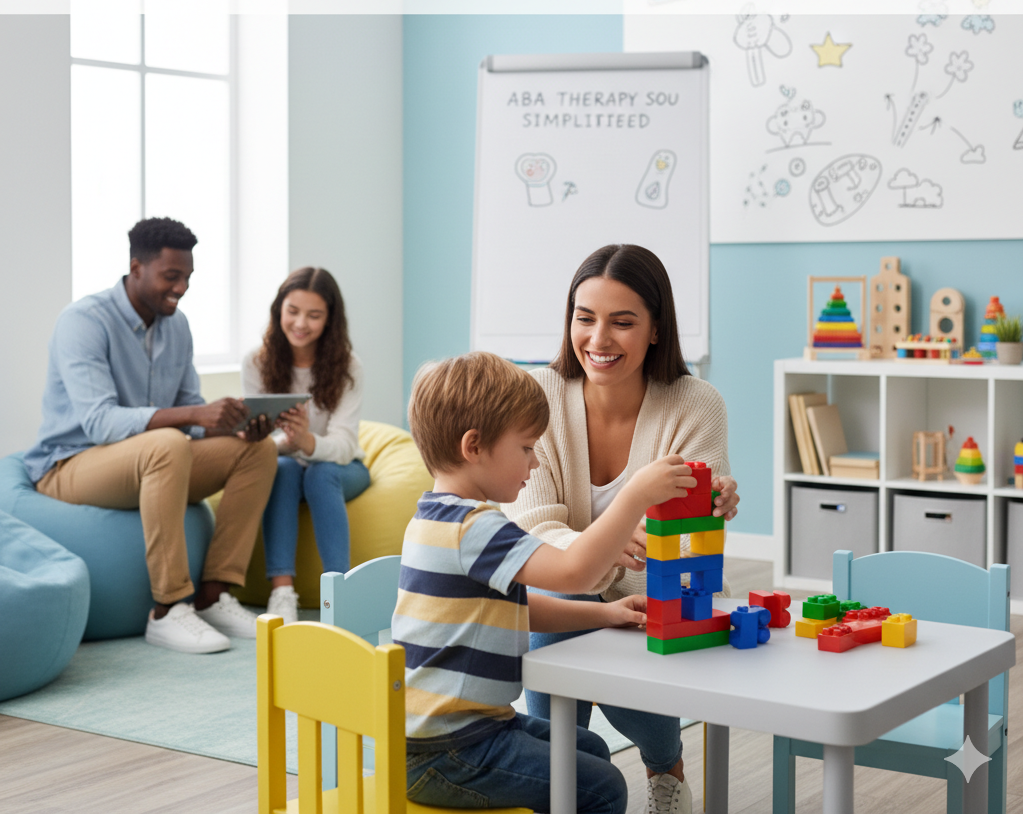
In the world of behavioral therapy, ABA therapy simplified boils down to one powerful idea: positive change through proven techniques. Applied Behavior Analysis (ABA) helps children and adults with autism spectrum disorder (ASD) and other developmental challenges build essential skills. If you’re a parent, educator, or caregiver searching for clarity, this guide breaks it down—no jargon required.
What Is ABA Therapy, Really?
At its core, ABA therapy examines how behaviors work—how they’re triggered, reinforced, and repeated. Therapists use data-driven methods to encourage positive actions and reduce harmful ones. Think of it like training a muscle: small, consistent efforts lead to big gains.
-
Discrete Trial Training (DTT): Breaks skills into tiny steps, like teaching a child to say “apple” by prompting, rewarding, and repeating.
-
Natural Environment Training (NET): Teaches in real-life settings, such as practicing greetings during playtime.
-
Pivotal Response Training (PRT): Focuses on motivation, letting kids choose activities to spark engagement.
Early intervention with ABA can transform lives, with studies showing up to 47% gains in IQ and adaptive skills for young children.
Why ABA Stands Out in Behavioral Therapy
Unlike generic counseling, ABA is evidence-based and customizable. It’s the gold standard recommended by the U.S. Surgeon General for autism treatment. Parents often see quick wins, like improved communication or reduced tantrums.
Real-Life Example: Imagine a 4-year-old who melts down in stores. An ABA therapist observes triggers (overstimulation), teaches coping tools (deep breaths), and rewards calm behavior with praise or a sticker. Over weeks, shopping trips become peaceful.
ABA Therapy Simplified: A Step-by-Step Starter Plan
Ready to explore ABA? Here’s how it typically unfolds:
-
Assessment: A Board Certified Behavior Analyst (BCBA) evaluates needs via observation and parent input.
-
Goal Setting: Create measurable targets, like “greet three people daily.”
-
Intervention: 20-40 hours weekly of one-on-one sessions, often at home or school.
-
Progress Tracking: Data charts show improvements, adjusting as needed.
-
Family Training: Parents learn techniques to continue at home.
Costs vary ($40,000–$60,000/year in the U.S.), but insurance like Medicaid or private plans often covers it in states like California and New York.
Busting Common Myths About ABA
Skeptical? Let’s clear the air:
Critics raise concerns about intensity, but ethical providers prioritize joy and consent.
Is ABA Right for Your Family?
ABA therapy simplified means hope without overwhelm. If your child struggles with social skills, routines, or self-care, consult a BCBA for a free screening. Organizations like the Autism Society offer directories.
Success stories abound: kids who couldn’t speak now chat with friends, families reclaiming mealtimes. Start small—knowledge is your first step.
Ready to dive deeper? Search local ABA providers or share this with a friend.