

Updated Guide: ABA Concepts Made Easy
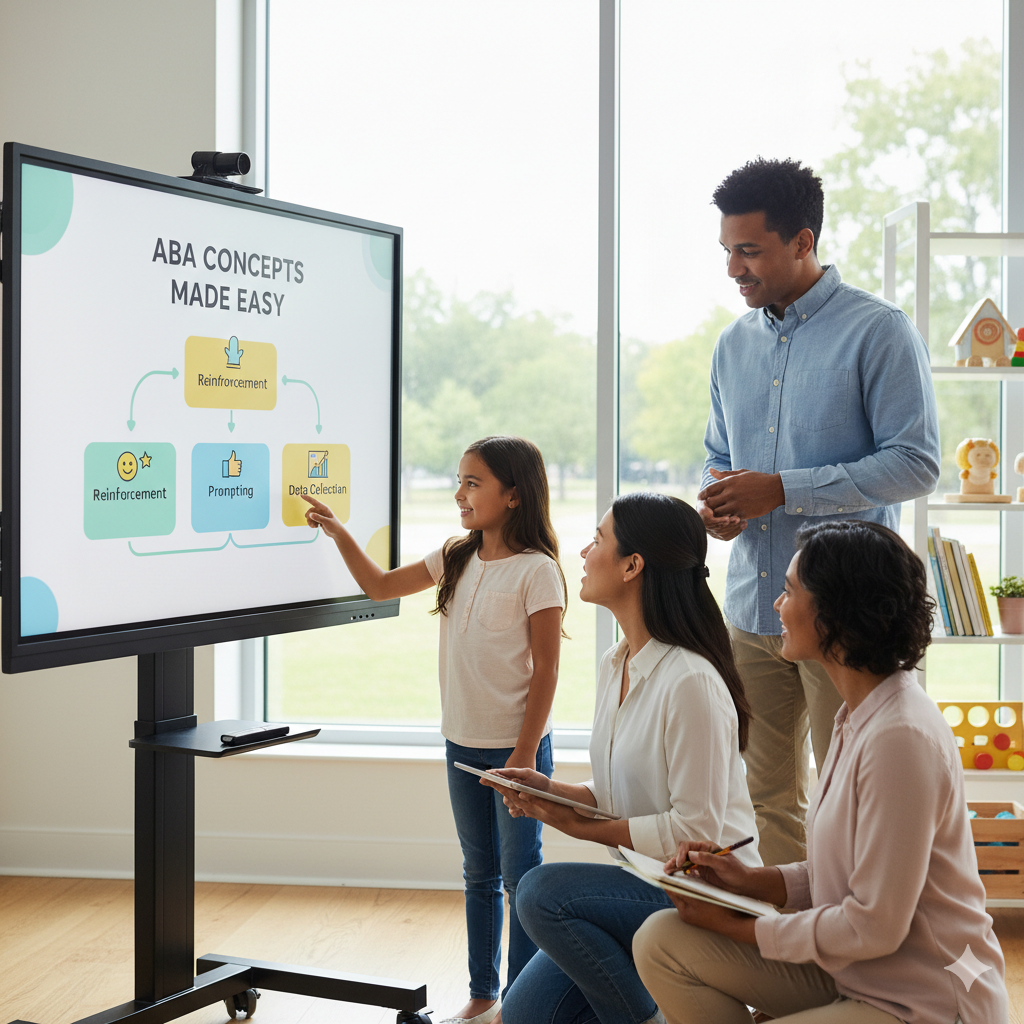
ABA, or Applied Behavior Analysis, uses evidence-based principles to improve behaviors and skills, especially for individuals with autism. This updated 2026 guide simplifies core concepts for parents, educators, and therapists, drawing from the latest practices.
Core Principles of ABA
ABA rests on seven key dimensions established by experts like B.F. Skinner, ensuring therapy is practical and measurable. These include applied (focus on real-life skills), behavioral (observable actions), analytic (proving cause-effect), technological (clear procedures), conceptually systematic (linked to theory), effective (measurable results), and generality (skills transfer across settings).
The ABC model drives analysis: Antecedent (triggers), Behavior (action), Consequence (outcome). Therapists target four behavior functions—escape, attention, tangibles, sensory stimulation—to reinforce positives and reduce challenges.
Essential ABA Techniques
Key methods make learning accessible and fun.
-
Reinforcement: Rewards desired behaviors, like praise for sharing toys, increasing repetition.
-
Prompting: Gentle cues, such as hand-over-hand guidance, fade over time for independence.
-
Shaping and Chaining: Build complex skills step-by-step, like chaining brushing teeth (wet brush, add paste, brush).
-
Extinction: Withhold attention for unwanted behaviors, like ignoring tantrums.
-
Generalization: Practice skills in varied settings, ensuring a child asks for help at home, school, or stores.
Natural Environment Teaching (NET) and Discrete Trial Training (DTT) blend play-based and structured sessions for engagement.
Real-World Applications
ABA supports children with autism in communication, social skills, and daily routines, extending to ADHD or anxiety. Parents reinforce at home by using consistent praise and data tracking progress via apps or charts.
Recent 2025 updates emphasize ethical, compassionate delivery, with data showing 47% better outcomes in generalized skills.
Getting Started Tips
Consult a Board Certified Behavior Analyst (BCBA) for personalized plans. Track behaviors daily and celebrate small wins to build momentum. Resources like parent training modules enhance home support.