

Beginner Guide: ABA Explained for Students

Applied Behavior Analysis (ABA) is a science-based approach to understanding and improving behaviors through systematic techniques. It’s widely used in education, especially for students with autism or developmental challenges, helping them build essential skills for school and life.
What is ABA?
ABA stands for Applied Behavior Analysis, a therapy rooted in learning principles discovered by psychologists like B.F. Skinner. It focuses on observable behaviors and how the environment influences them, making it practical for classrooms and student support. For students, ABA breaks down complex skills—like reading or social interaction—into manageable steps.
Core Principles of ABA
ABA relies on evidence-based methods to encourage positive change.
-
Reinforcement: Rewarding desired behaviors, such as praise for completing homework, increases their frequency.
-
Prompting and Shaping: Providing hints to guide actions, then gradually rewarding closer approximations to the goal.
-
Generalization: Ensuring skills transfer from therapy sessions to real-world settings like playgrounds or group projects.
These principles follow the ABC model: Antecedent (trigger), Behavior (response), Consequence (outcome).
How ABA Works in Schools
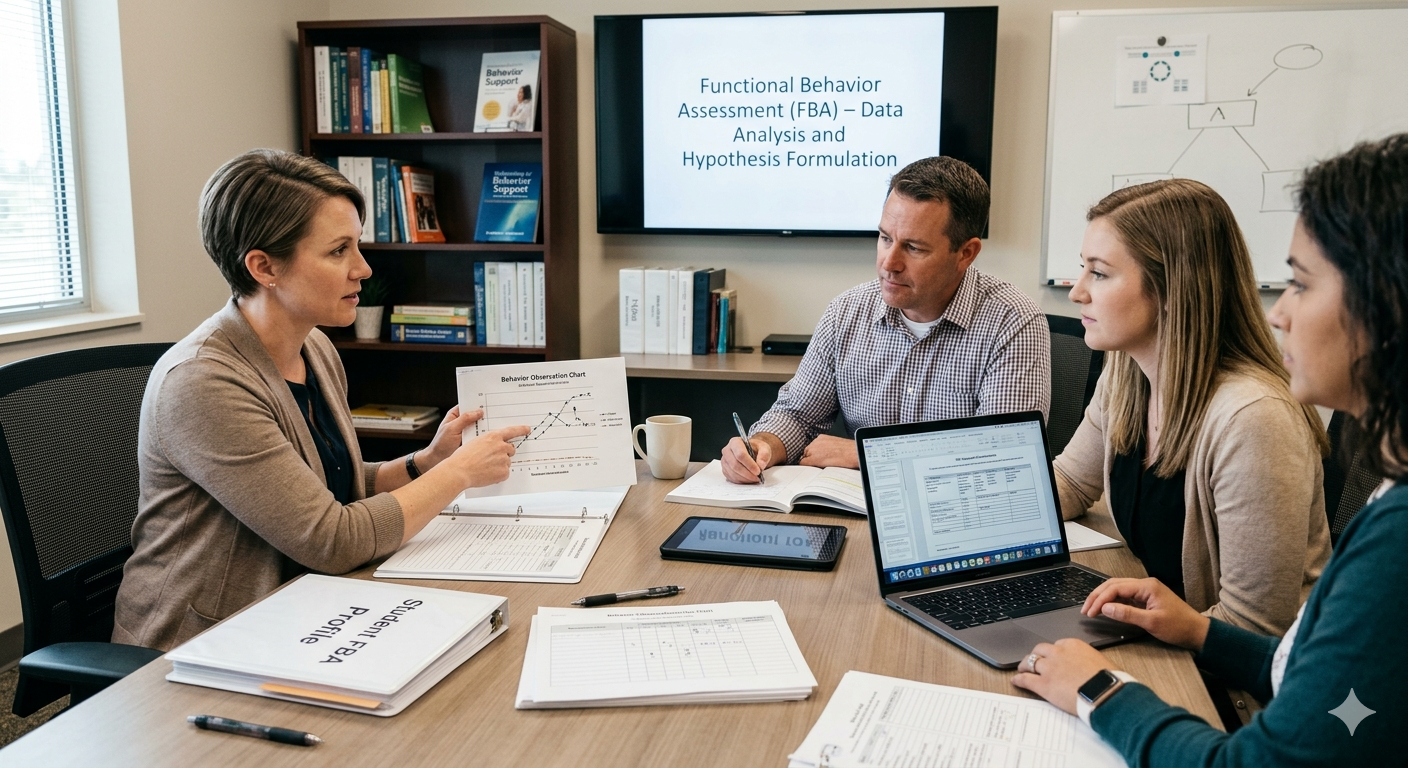
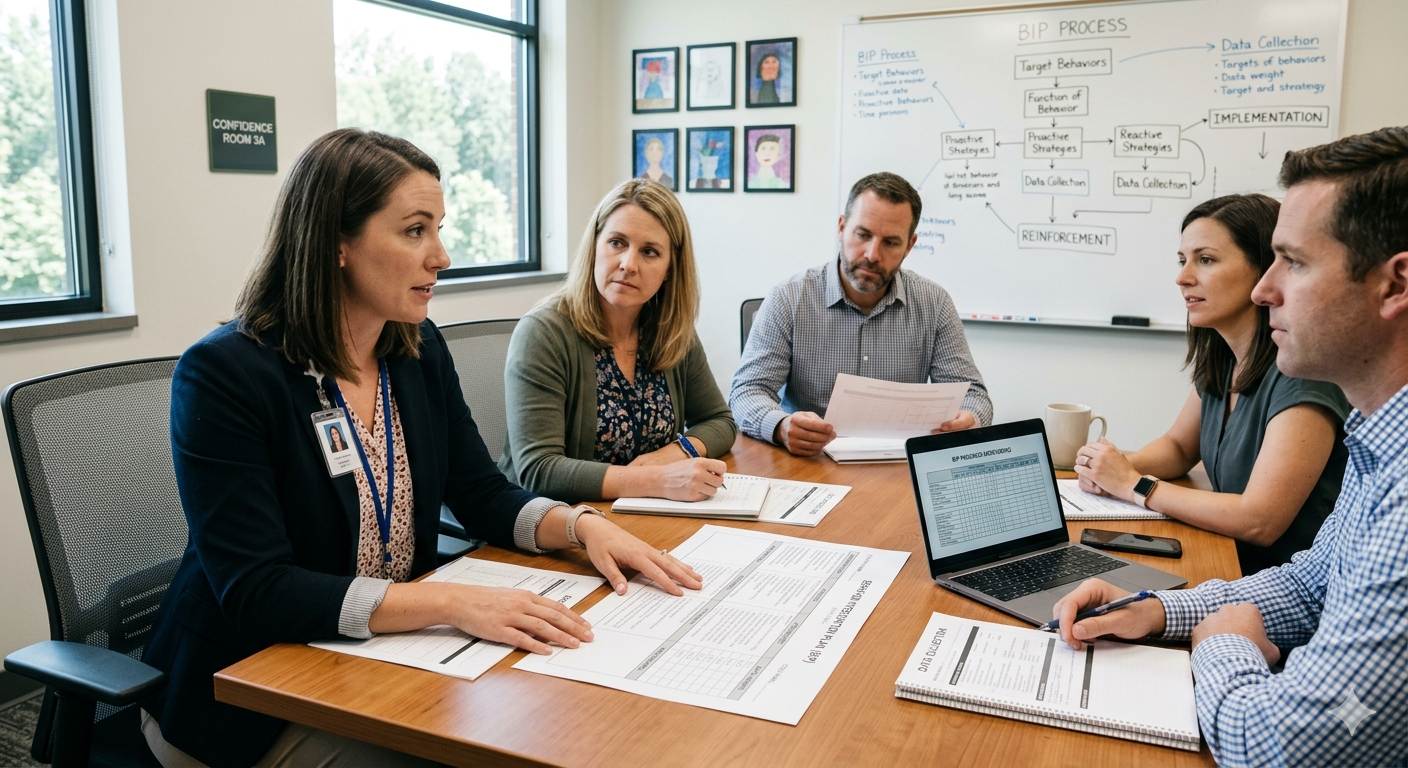
A Board Certified Behavior Analyst (BCBA) assesses a student’s strengths and needs, then designs a customized plan. Therapists or teachers implement it using one-on-one or group sessions, tracking progress with data. Sessions adapt to school routines, teaching focus, communication, and self-regulation.
Key Techniques for Students
ABA uses flexible tools tailored to learning styles.
-
Chaining: Teaching tasks sequentially, like tying shoelaces step-by-step.
-
Positive Reinforcement: Tokens or breaks for good effort, fading rewards as independence grows.
-
Extinction: Ignoring minor disruptions to reduce them naturally.
Benefits for Student Success
ABA improves attention, social skills, and academics while reducing outbursts. Studies show gains in language and independence, benefiting neurotypical students too for behavior management. Long-term, it fosters confidence and adaptability in diverse classrooms.
Getting Started as a Student
Talk to your school counselor about ABA services—many districts offer free evaluations. Parents and educators collaborate for best results, with training to continue at home. Early intervention maximizes gains, turning challenges into strengths.