

Autism in Pakistan Awareness: Breaking the Silence and Building Support
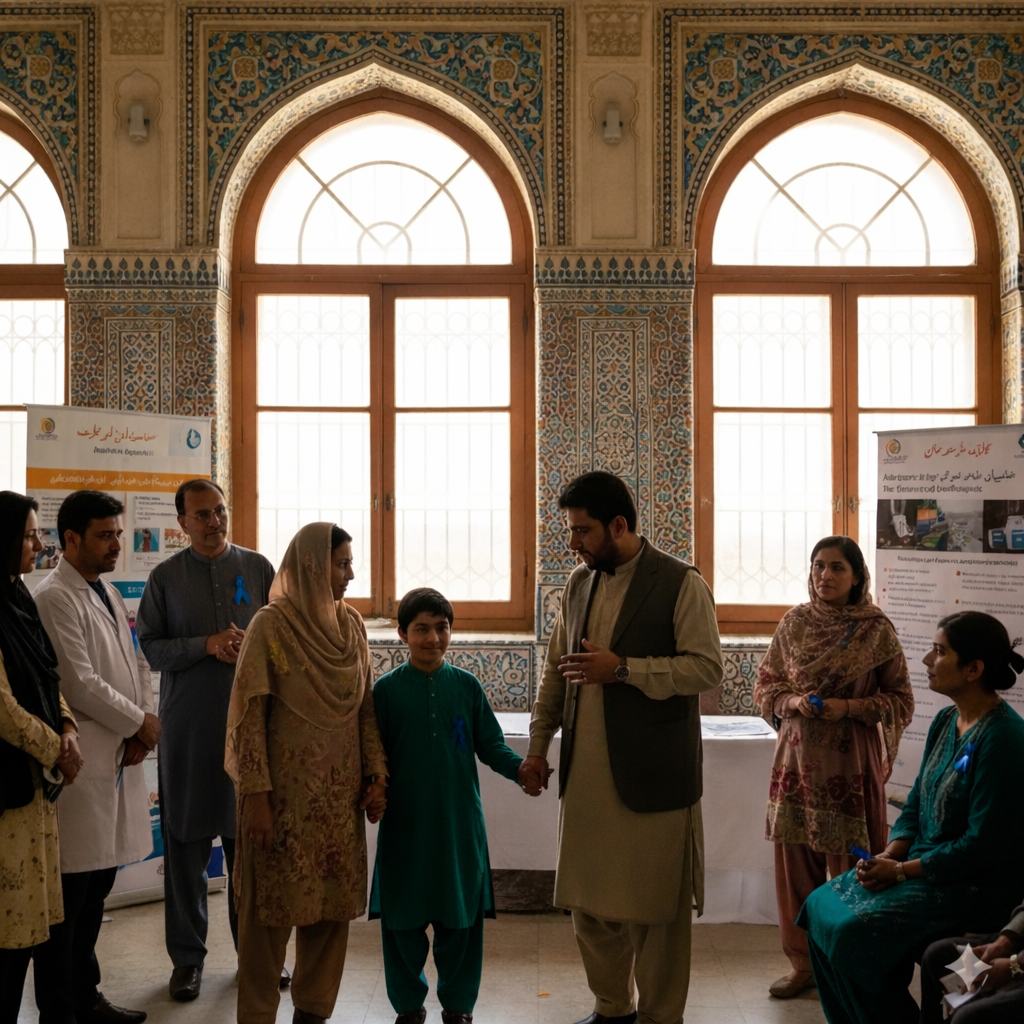
Autism in Pakistan awareness is growing, but challenges remain in diagnosis, support, and stigma reduction. Autism Spectrum Disorder (ASD) affects 1 in 100 children worldwide, yet in Pakistan, underdiagnosis leaves thousands without vital interventions. This article explores the realities of autism in Pakistan, spotlights local efforts, and calls for global solidarity to amplify awareness.
Understanding Autism in Pakistan
Autism manifests as differences in social communication, sensory processing, and repetitive behaviors. In Pakistan, cultural norms often mask symptoms—parents might attribute them to “naughtiness” or spiritual causes, delaying diagnosis until school age or later.
Key statistics reveal the gap:
-
A 2022 study by Aga Khan University estimated 300,000–400,000 children with autism in Pakistan, but only 10–15% receive formal diagnosis.
-
Rural areas lack access, with urban centers like Lahore and Karachi hosting most specialists.
-
Gender bias persists: Boys are diagnosed 4 times more often than girls, skewing awareness.
Early signs include limited eye contact, delayed speech, and sensory sensitivities—crucial for parents to recognize amid Pakistan’s diverse family dynamics.
Barriers to Autism Awareness in Pakistan
Stigma silences families. Many hide diagnoses to avoid marriage prospects or social exclusion, rooted in misconceptions linking autism to “bad karma” or poor parenting.
Resource shortages compound this:
-
Public schools rarely accommodate neurodiversity.
-
Therapies like Applied Behavior Analysis (ABA) or speech therapy exist privately but cost 20,000–50,000 PKR monthly—unaffordable for most.
-
No national autism policy exists, unlike India’s autism registry.
The COVID-19 pandemic worsened isolation, halting therapies and heightening parental stress.
Shining Lights: Initiatives Boosting Autism in Pakistan Awareness
Hope thrives through grassroots efforts:
-
Karachi Autism Center and Lahore Autism Society offer free screenings and parent training.
-
Celebrities like cricketer Wasim Akram advocate publicly, leveraging Pakistan’s cricket passion.
-
NGOs like Autism Pakistan run awareness campaigns, including World Autism Awareness Day events on April 2.
-
Teletherapy apps bridge rural-urban divides, inspired by global models.
Success stories abound: Children in Islamabad accessing occupational therapy show improved independence, proving early intervention works.
How You Can Support Autism in Pakistan Awareness Globally
From afar, Western audiences can amplify change:
-
Donate to verified NGOs via platforms like Pakistan Bait-ul-Mal.
-
Share stories on social media with #AutismInPakistanAwareness.
-
Advocate for bilateral aid—U.S. and UK programs already fund some trainings.
-
Partner with therapists: Virtual consultations connect Pakistani families to international experts.
Raising autism in Pakistan awareness isn’t just local—it’s a global call to destigmatize and empower.
A Call to Action for Lasting Change
Autism in Pakistan awareness demands urgent policy reforms, like mandatory school screenings and subsidized therapies. Families need communities, not judgment. By fostering understanding, Pakistan can unlock potential for its autistic children.
Join the movement today—share this article, support a cause, and light blue for autism.