
Viral Guide: Autism Therapy Basics – Empowering Your Child’s Journey
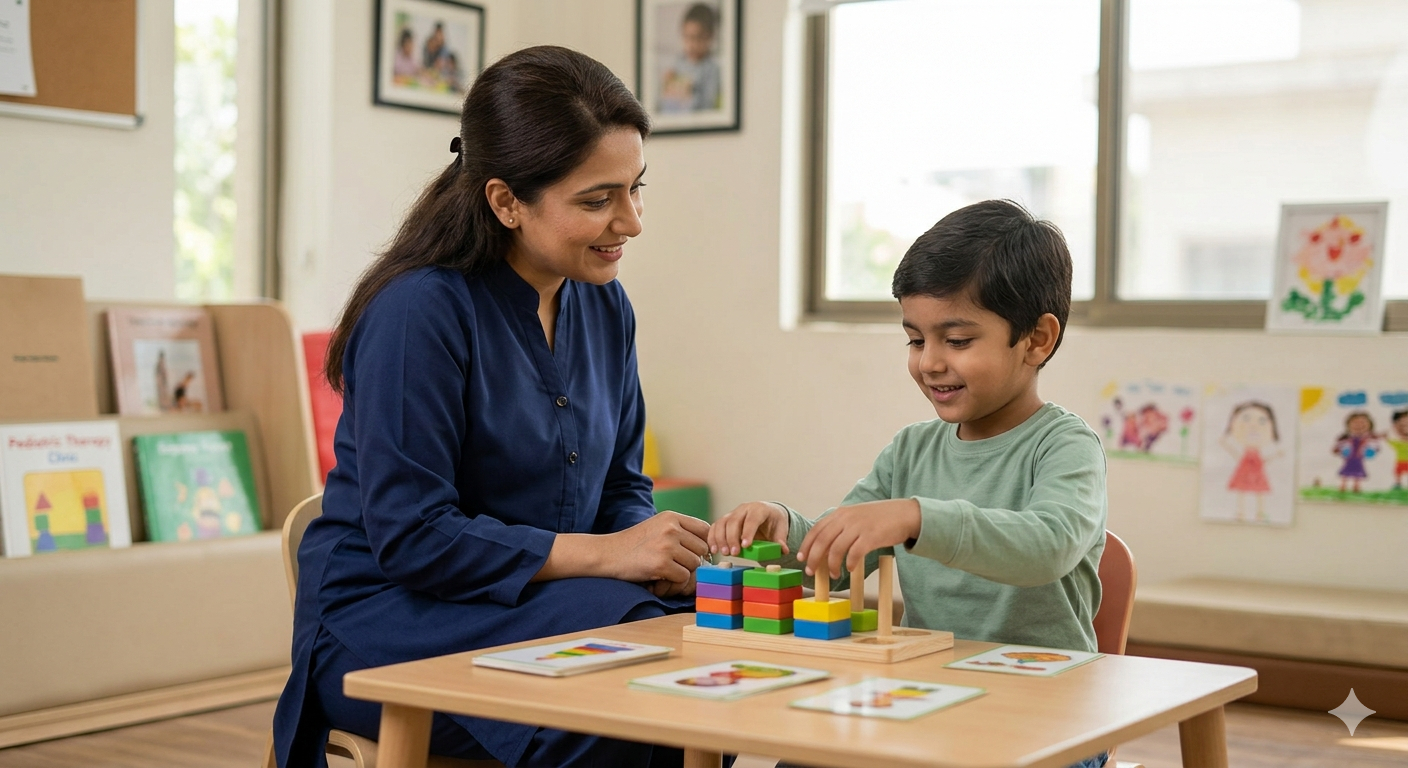
Autism spectrum disorder (ASD) affects how kids communicate, learn, and interact with the world. Early therapy can make a huge difference, unlocking potential and building skills for life. This Viral Guide: Autism Therapy Basics breaks it down simply—no jargon, just actionable insights. Share it if it helps!
Why Start Autism Therapy Early?
Therapies work best when introduced young, often before age 3. Research from the CDC shows kids in early intervention gain language and social skills faster. Think of it like planting seeds: the right support helps them grow strong.
-
Tailored to your child: No one-size-fits-all—therapies adapt to strengths and challenges.
-
Holistic benefits: Improves behavior, independence, and family life.
-
Proven results: Studies (like those from the NIH) link therapy to better outcomes in school and adulthood.
Key Types of Autism Therapies Explained
Here’s the Autism Therapy Basics lineup. Pick what fits your child’s needs.
1. Applied Behavior Analysis (ABA) Therapy
ABA breaks skills into small steps, using rewards to encourage positive behaviors. It’s the gold standard for autism.
-
Targets: Communication, social skills, daily routines.
-
How it works: Therapists observe and reinforce good choices, like praising a child for making eye contact.
-
Example: A kid learns to request a toy instead of tantruming—real-world wins!
Sessions: 20-40 hours/week, often at home or clinic.
2. Speech and Language Therapy
Many autistic kids struggle with words or non-verbal cues. This therapy builds expression and understanding.
-
Targets: Vocabulary, gestures, conversation turns.
-
Tools: Picture cards, apps, play-based games.
-
Fun fact: Apps like Proloquo2Go turn symbols into speech for non-verbal kids.
Pro tip: Pair with social stories to practice real chats.
3. Occupational Therapy (OT)
OT helps with fine motor skills, sensory processing, and self-care—like buttoning shirts or handling textures.
-
Targets: Hand-eye coordination, sensory sensitivities (e.g., loud noises).
-
Activities: Swinging, playdough, brushing techniques.
-
Win: Kids who hated haircuts now tolerate (and enjoy!) grooming.
4. Physical Therapy (PT)
For motor delays, PT boosts balance, strength, and coordination.
-
Targets: Walking, jumping, playground skills.
-
Methods: Obstacle courses, ball games.
-
Bonus: Builds confidence for sports or recess.
5. Other Essentials: Social Skills Groups and More
-
Cognitive Behavioral Therapy (CBT): Manages anxiety.
-
Developmental therapies: Like DIR/Floortime for emotional bonds.
-
Tech aids: VR apps for safe social practice.
How to Get Started: Your 5-Step Action Plan
Ready to dive in? Follow this simple roadmap.
-
Get a diagnosis: See a pediatrician or specialist for assessment (e.g., ADOS test).
-
Build your team: Pediatrician, therapist, school IEP coordinator.
-
Explore insurance: In the US, many plans cover ABA/OT via laws like the Affordable Care Act.
-
Trial sessions: Most offer free consults—test 2-3 options.
-
Track progress: Use apps like Autism Tracker to log wins.
Cost range: $40-150/hour; grants/schools often help.
Real Parent Wins and Tips
“ABA turned my son’s meltdowns into conversations,” shares mom Sarah from California. Start small—15 minutes daily builds habits.
Pro Tips for Success:
-
Involve siblings for natural practice.
-
Create a sensory-friendly home (dim lights, noise-cancelling headphones).
-
Celebrate tiny victories—high-fives fuel motivation!
Busting Autism Therapy Myths
-
Myth: “Therapy means no fun.” Reality: It’s play disguised as learning.
-
Myth: “Only for severe cases.” Nope—mild autism benefits too.
Your Next Move
This Viral Guide: Autism Therapy Basics is your launchpad. Consult pros for personalized advice—I’m not a doctor! Share this guide, save a family, and tag a friend who needs it.
Resources: Autism Speaks (autismspeaks.org), CDC Autism Page (cdc.gov/autism).