


Autism and Sensory Processing: Understanding Sensory Challenges and Support Strategies
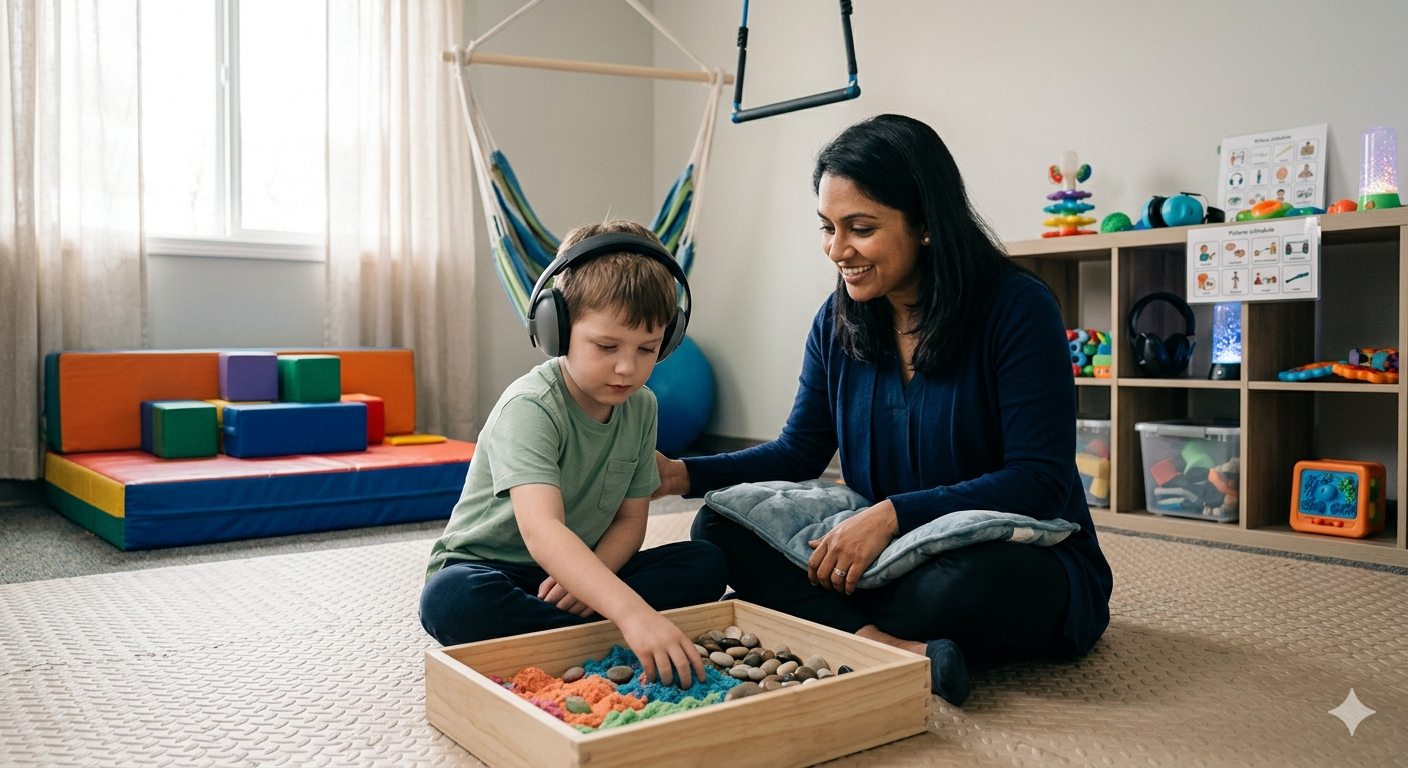
Autism and sensory processing often go hand-in-hand, with many individuals on the autism spectrum experiencing unique sensory sensitivities that impact daily life. Sensory processing refers to how the brain receives, interprets, and responds to sensory input from the environment—like sounds, textures, lights, or movements. For those with autism spectrum disorder (ASD), this process can feel overwhelming or muted, leading to meltdowns, avoidance behaviors, or shutdowns. In this article, we’ll explore the connection between autism and sensory processing, common challenges, and practical strategies to help children and adults thrive.
The Link Between Autism and Sensory Processing Disorder
Research shows that up to 90% of people with autism have sensory processing differences, often classified as sensory processing disorder (SPD) within the autism context. Unlike neurotypical individuals, whose brains filter sensory input efficiently, those with autism might over-respond (hypersensitivity) or under-respond (hyposensitivity) to stimuli.
For example, a child with autism and sensory processing issues might cover their ears during a crowded school cafeteria due to hypersensitivity to noise, while another might seek intense pressure by crashing into furniture because of hyposensitivity to touch. These responses stem from atypical neural pathways in the brain, as highlighted in studies from the Journal of Autism and Developmental Disorders. Early identification through occupational therapy assessments can make a world of difference.
Common Sensory Challenges in Autism
Sensory experiences vary widely, but here are the most frequent challenges linking autism and sensory processing:
-
Auditory Sensitivities: Loud noises like vacuum cleaners or fire alarms can trigger anxiety or meltdowns.
-
Tactile Defensiveness: Certain clothing fabrics, seams, or unexpected touches feel painful or irritating.
-
Visual Overload: Bright lights, flickering screens, or busy patterns cause discomfort or headaches.
-
Vestibular and Proprioceptive Issues: Challenges with balance, movement, or body awareness, leading to clumsiness or a need for spinning/jumping.
-
Olfactory and Gustatory Sensitivities: Strong smells or food textures result in picky eating or gag reflexes.
These aren’t just “picky” behaviors—they’re neurological responses that can disrupt learning, social interactions, and family routines.
Evidence-Based Strategies for Managing Autism and Sensory Processing
Supporting sensory needs doesn’t require expensive tools; simple, sensory-friendly adjustments work wonders. Occupational therapists often recommend a “sensory diet”—a personalized plan of activities throughout the day.
Daily Sensory Integration Techniques
-
Create a Sensory Space: Design a quiet corner with dim lights, weighted blankets, noise-canceling headphones, and fidget toys for calming breaks.
-
Desensitization Activities: Gradually introduce textures through play, like finger painting or sandbox digging, to build tolerance.
-
Movement Breaks: Use swings, trampolines, or yoga poses to satisfy vestibular needs and regulate the nervous system.
-
Dietary Tweaks: Offer smooth, crunchy, or chewy foods to address oral sensitivities, consulting a feeding therapist if needed.
School and Home Accommodations
In Western school systems like those in the US or UK, Individualized Education Programs (IEPs) can include sensory supports. Parents might request preferential seating away from noisy areas or flexible schedules for sensory resets. ABA therapy complements this by reinforcing positive coping skills, such as deep breathing during overload.
One real-world example: A 7-year-old with autism in a California elementary school reduced outbursts by 70% after implementing a sensory toolkit, per a case study from the American Occupational Therapy Association.
When to Seek Professional Help
If sensory issues interfere with daily functioning, consult an occupational therapist specializing in autism and sensory processing. They use tools like the Sensory Profile assessment to tailor interventions. Early intervention, especially before age 5, improves outcomes significantly, according to the CDC’s autism research.
Behavioral therapists can integrate sensory strategies into ABA plans, while speech therapists address related communication challenges. In the US, resources like Easterseals or local autism societies offer free screenings.
Empowering Families: Moving Forward with Autism and Sensory Processing
Understanding autism and sensory processing empowers parents, educators, and individuals to create supportive environments where everyone can flourish. With patience, the right tools, and professional guidance, sensory challenges become manageable stepping stones rather than barriers.
Ready to implement these strategies? Start small and track what works for your child.