


Autism Awareness for Parents: Essential Guide to Understanding and Supporting Your Child
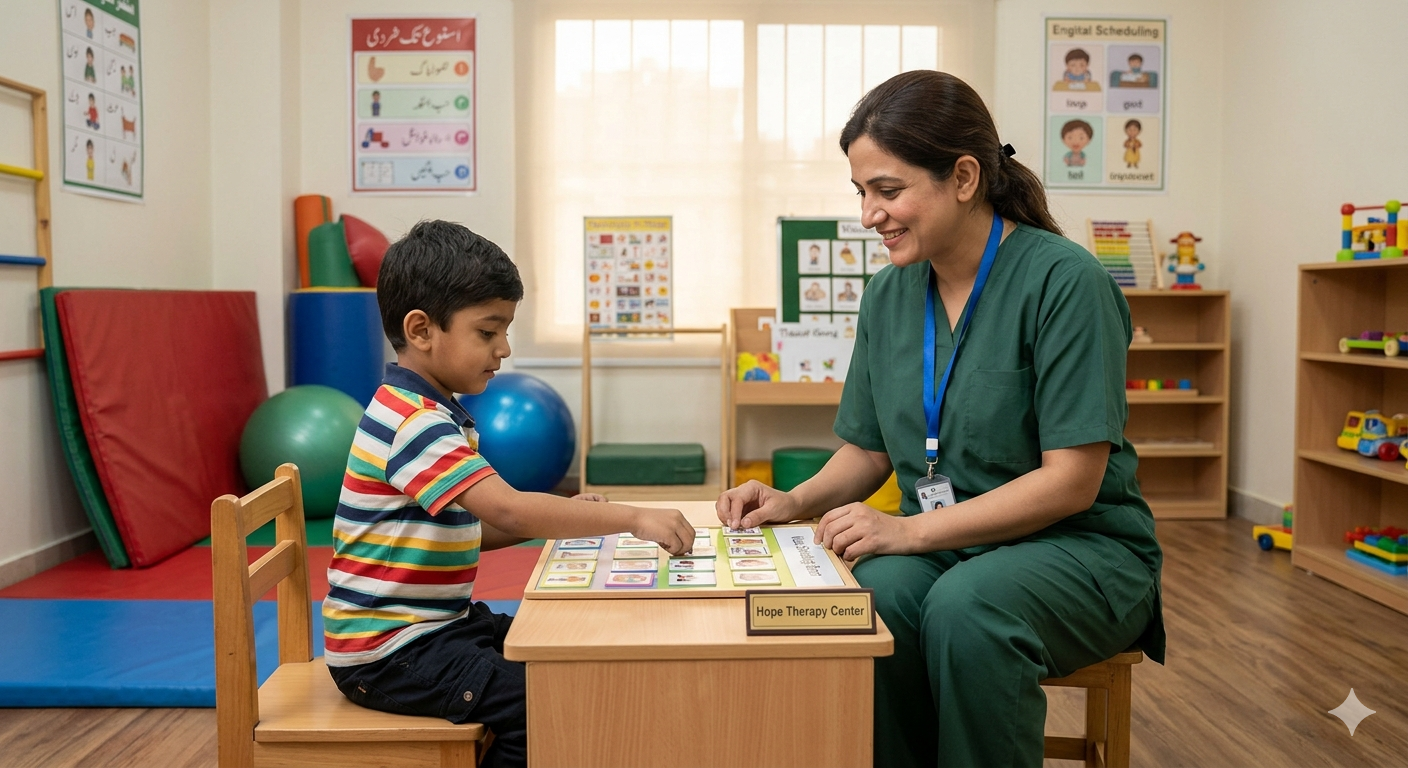
Autism Awareness for Parents starts with knowledge. If you’re a parent suspecting your child might be on the autism spectrum or recently received a diagnosis, you’re not alone. Autism Spectrum Disorder (ASD) affects about 1 in 36 children in the U.S., according to the CDC. This guide empowers you with signs, strategies, and resources to navigate this journey confidently.
Recognizing Early Signs of Autism in Children
Spotting autism early can lead to better outcomes. Parents often notice differences by age 2, though some signs appear sooner.
-
Social challenges: Limited eye contact, not responding to their name, or difficulty with back-and-forth play.
-
Communication delays: No babbling by 12 months, no single words by 16 months, or no two-word phrases by 24 months.
-
Repetitive behaviors: Intense focus on parts of objects (like wheels), lining up toys, or hand-flapping.
-
Sensory sensitivities: Over- or under-reacting to sounds, lights, textures, or smells.
If these resonate, track behaviors and consult a pediatrician. Early screening tools like the M-CHAT can help.
Getting a Diagnosis: Steps for Parents
Diagnosis involves a team of specialists, including developmental pediatricians, psychologists, and speech therapists.
-
Talk to your pediatrician for initial screening.
-
Request a full evaluation through early intervention programs (free for kids under 3 in the U.S. via IDEA).
-
Expect assessments like ADOS-2, which observe social and play skills.
Autism Awareness for Parents means advocating—insist on thorough testing if concerns persist.
Practical Support Strategies at Home
Every child with autism is unique, but these evidence-based tips build skills and reduce challenges.
-
Visual schedules: Use picture charts for daily routines to ease transitions.
-
Sensory-friendly spaces: Create quiet zones with dim lights and soft textures.
-
Social stories: Simple narratives explaining events, like “Going to the doctor.”
-
Positive reinforcement: Praise specific behaviors, e.g., “Great job sharing your toy!”
Therapies like Applied Behavior Analysis (ABA), speech therapy, and occupational therapy amplify these efforts.
Therapies That Make a Difference
Tailored interventions help children thrive.
Combine with parent training programs like ESDM (Early Start Denver Model) for faster gains.
Resources and Community Support
You’re part of a strong network.
-
Autism Speaks: Free toolkits and awareness events (autismspeaks.org).
-
Autism Society: Local chapters for support groups (autismsociety.org).
-
CDC’s “Learn the Signs. Act Early.”: Milestone trackers (cdc.gov/ncbddd/actearly).
-
Parent forums: Reddit’s r/autism or Facebook groups for peer advice.
School accommodations under IDEA ensure IEPs (Individualized Education Programs) fit your child’s needs.
Embracing Neurodiversity: A Positive Outlook
Autism Awareness for Parents celebrates strengths like exceptional memory, creativity, and loyalty. Focus on your child’s potential—many autistic individuals lead fulfilling lives in tech, arts, and sciences. With patience and the right tools, your family can flourish.
Empower yourself today. Share this article to spread autism awareness among parents