

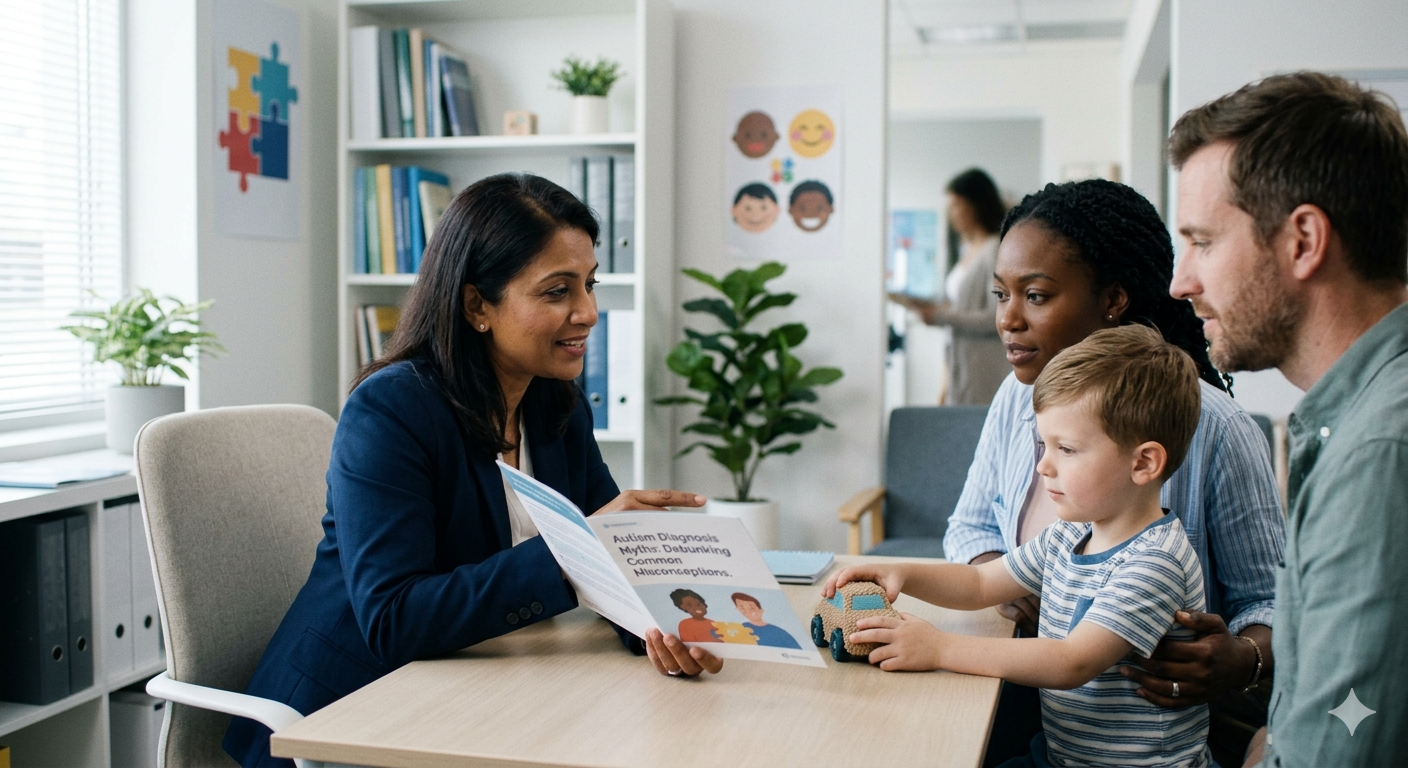
Autism in Preschoolers: Early Signs, Diagnosis, and Support Strategies
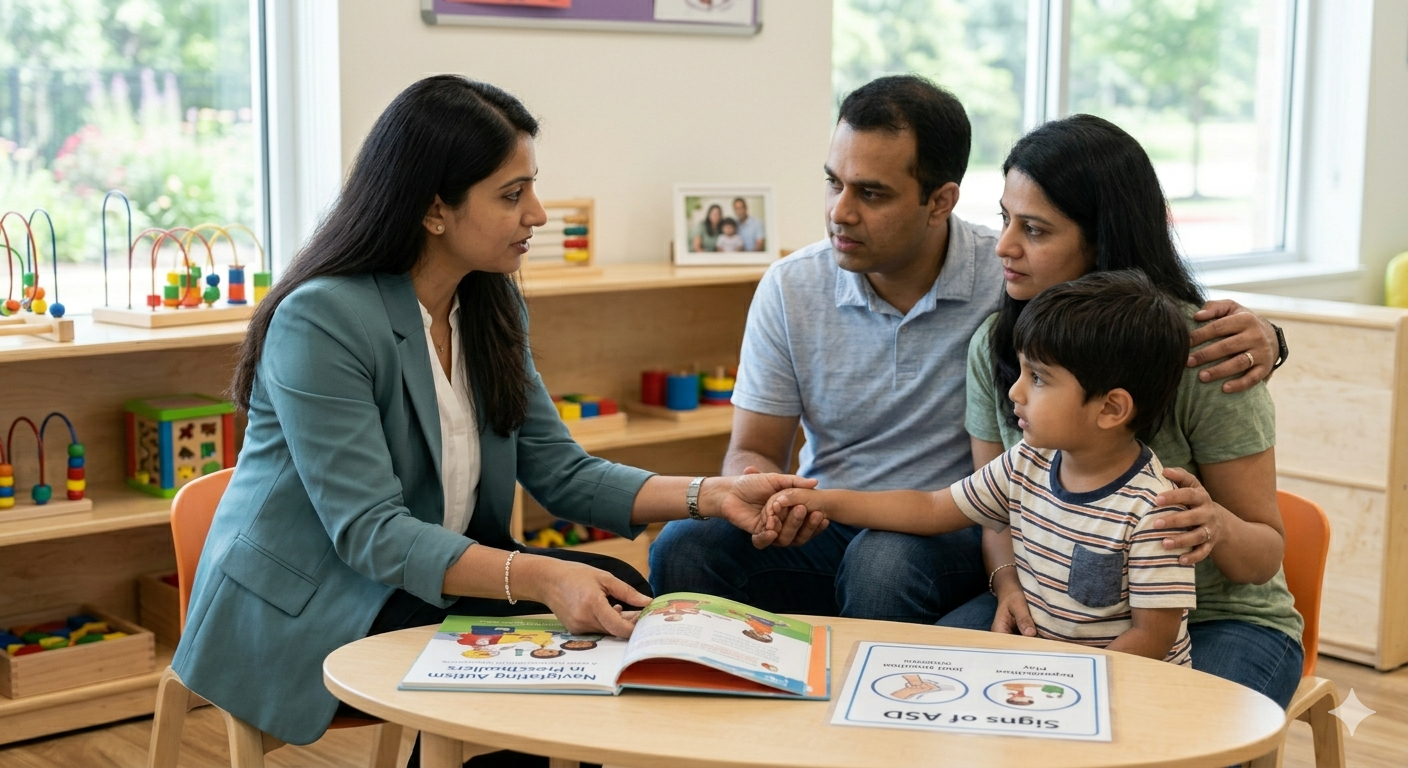
Autism in preschoolers often goes unnoticed amid the whirlwind of toddler tantrums and developmental milestones, but recognizing it early can change a child’s trajectory. Affecting about 1 in 36 children in the U.S., according to the CDC, autism spectrum disorder (ASD) presents unique challenges and strengths in young kids aged 3-5. This guide breaks down the signs of autism in preschoolers, diagnosis process, and practical support strategies to empower parents and educators.
Key Signs of Autism in Preschoolers
Preschoolers with autism may not follow the typical social, communication, or behavioral patterns of their peers. While every child is unique, certain red flags stand out.
-
Social Challenges: Difficulty making eye contact, preferring solitary play over group activities, or not responding to their name by age 2-3. A preschooler might ignore other children at daycare or struggle to share toys.
-
Communication Delays: Limited speech, such as echoing phrases (echolalia) instead of original sentences, or nonverbal cues like pointing. By age 4, many preschoolers with autism use fewer than 50 words.
-
Repetitive Behaviors: Intense fixation on routines, like lining up toys obsessively, or repetitive movements such as hand-flapping and spinning. Sensory sensitivities—overreacting to lights, sounds, or textures—are common too.
-
Motor and Play Differences: Clumsy movements, delayed fine motor skills (e.g., trouble holding crayons), or unusual play like spinning wheels on toys rather than imaginative pretend play.
These signs often appear by age 2-3, but autism in preschoolers can be subtler than in toddlers. For example, a child might excel academically but meltdown over minor changes.
Diagnosing Autism in Preschoolers: What to Expect
Early diagnosis is crucial—intervention before age 5 yields the best outcomes. If you suspect autism in preschoolers, start with your pediatrician.
The Screening Process
Most U.S. pediatricians use tools like the M-CHAT (Modified Checklist for Autism in Toddlers) during well-child visits at 18 and 24 months. For preschoolers, comprehensive evaluations involve:
-
Developmental history from parents.
-
Direct observation in play settings.
-
Standardized tests like the ADOS-2 (Autism Diagnostic Observation Schedule).
Diagnosis typically requires a team: developmental pediatricians, psychologists, speech-language pathologists, and occupational therapists. In states like California or New York, early intervention programs like California’s Regional Centers offer free assessments.
Common Co-Occurring Conditions
Autism in preschoolers often overlaps with ADHD, anxiety, or speech delays, complicating diagnosis. Genetic testing or EEGs may rule out epilepsy.
Effective Therapies for Preschoolers with Autism
Once diagnosed, tailored therapies unlock potential. Evidence-based options focus on building skills holistically.
Applied Behavior Analysis (ABA)
ABA breaks skills into small steps, using positive reinforcement. Intensive programs (20-40 hours/week) improve communication and social skills. Programs like those from the Autism Society emphasize child-led, naturalistic approaches.
Speech and Occupational Therapy
Speech therapy targets language and social pragmatics; occupational therapy addresses sensory integration and motor skills. For instance, sensory diets—scheduled activities like swinging—help regulate overstimulation.
Other Supports
-
Social Skills Groups: Playdates structured for turn-taking.
-
TEACCH: Visual schedules to ease transitions.
-
Parent Training: Programs like PCIT (Parent-Child Interaction Therapy) equip families.
In the U.S., the Individuals with Disabilities Education Act (IDEA) mandates free appropriate public education, including preschool services via IEPs.
Parenting a Preschooler with Autism: Daily Tips
Supporting autism in preschoolers at home builds on therapies.
-
Create Predictable Routines: Use picture schedules for meals and bedtime to reduce anxiety.
-
Encourage Play: Model joint attention, like narrating toy actions: “The truck goes vroom!”
-
Manage Sensory Needs: Offer noise-canceling headphones or weighted blankets.
-
Foster Strengths: If your child loves puzzles, channel it into math readiness.
Connect with communities like Autism Speaks or local chapters of the Autism Society for resources.
School Readiness and Long-Term Outlook
Preschool is a bridge to kindergarten. Children with autism thrive with:
-
Inclusive classrooms with aides.
-
Visual aids and quiet zones.
-
Collaboration between therapists and teachers.
Long-term, early intervention boosts independence—many preschoolers diagnosed with autism go on to college or careers. Outcomes vary, but 50%+ achieve good adaptive skills with support, per recent studies.
When to Seek Help Immediately
Trust your instincts. If your preschooler shows regression (losing skills), extreme aggression, or self-injury, contact a specialist right away. Free screenings are available via Early Intervention in all 50 states (call 1-800-4-BABIES or visit childfindidea.org).
Autism in preschoolers isn’t a limitation—it’s a different wiring. With early action, these kids flourish.
Sources: CDC (cdc.gov/autism), Autism Speaks, NIH studies. Last updated April 2026.