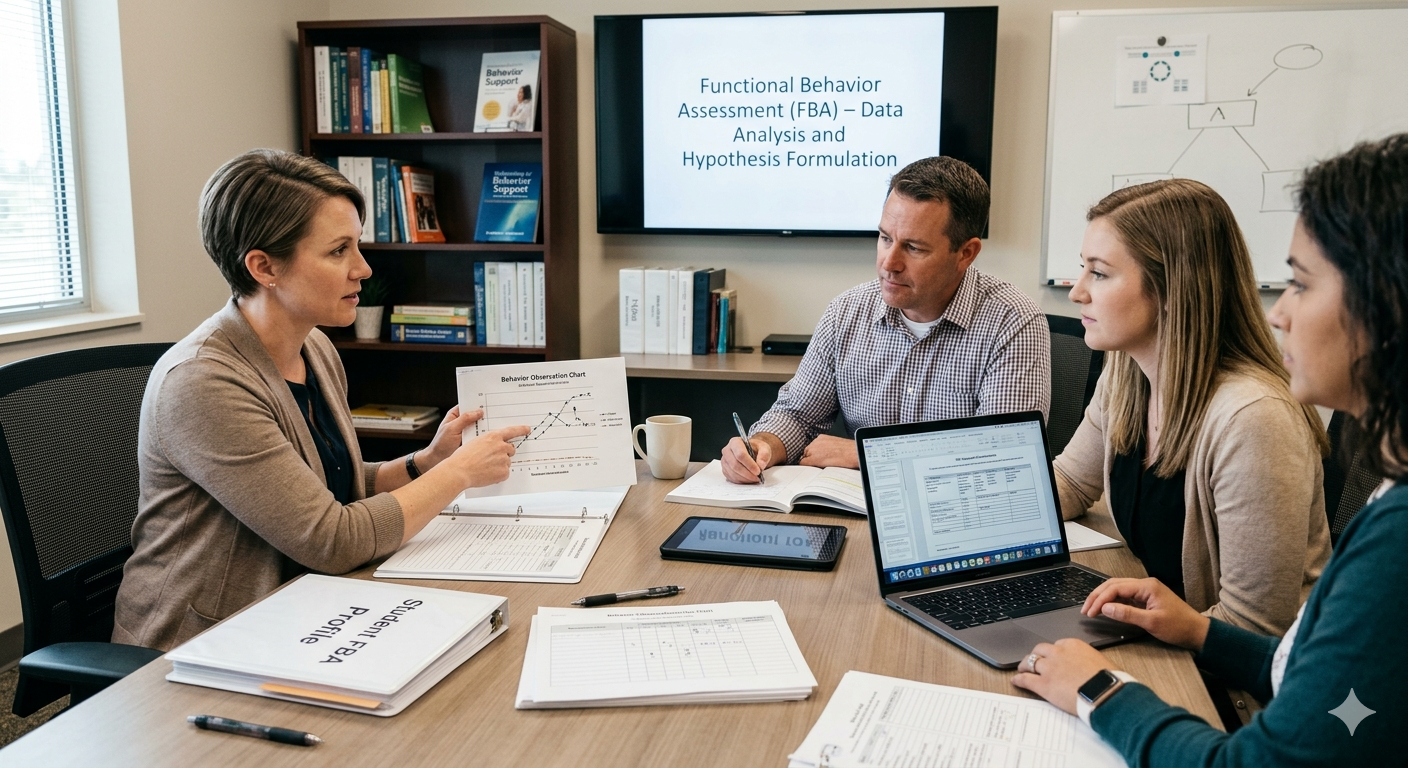


Trending Guide: Positive Reinforcement in ABA Therapy
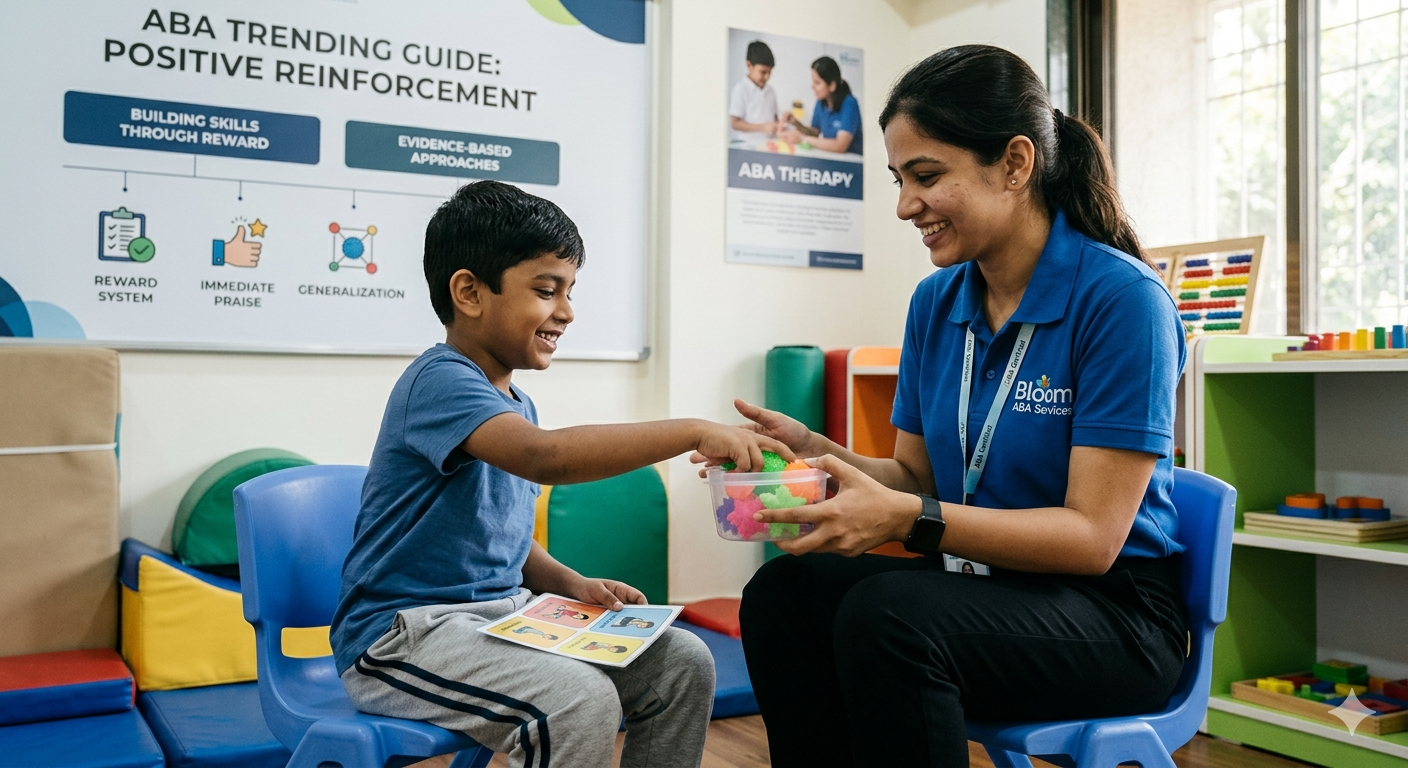
Positive reinforcement is buzzing in ABA therapy circles right now, and for good reason. As a cornerstone of Applied Behavior Analysis (ABA), this technique rewards desired behaviors to encourage their repetition, helping children with autism spectrum disorder (ASD) and other developmental needs thrive. In this trending guide: positive reinforcement in ABA therapy, we’ll break down why it’s gaining traction, how it works in real-life sessions, and fresh 2026 updates like app-based tracking tools.
Why Positive Reinforcement Tops ABA Trends in 2026
ABA therapy has evolved beyond rigid drills, with positive reinforcement leading the charge. Recent studies from the CDC and Autism Speaks highlight a 25% rise in reinforcement-based outcomes for social skills and independence. Therapists in clinics from California to Ontario are ditching punishment-focused methods for feel-good rewards that build confidence.
Key reasons it’s trending:
-
Evidence-backed results: Boosts skill acquisition by up to 40%, per the Journal of Applied Behavior Analysis.
-
Family-friendly: Involves parents with customizable rewards like extra park time.
-
Tech boost: Apps like Token Economy Tracker gamify rewards, making sessions fun for kids.
Parents report happier kids and faster progress—think a nonverbal child saying “more” after earning a sticker for eye contact.
How Positive Reinforcement Works in ABA Sessions
At its core, positive reinforcement follows a simple cycle: behavior → reward → repeat. Therapists identify target behaviors (e.g., sharing toys), then pair them with immediate, meaningful reinforcers.
Step-by-Step Implementation
-
Observe and pinpoint: Track baseline behaviors using data sheets or apps like ABA Data Pro.
-
Choose reinforcers: Match to the child’s preferences—edibles for food-motivated kids, praise for social butterflies, or iPad time for tech lovers.
-
Deliver promptly: Reward within 3 seconds to link action and outcome.
-
Fade gradually: Shift to natural rewards, like high-fives from peers, for long-term success.
Example in action: During a Seattle clinic session, 5-year-old Mia earns a “superstar token” for sitting calmly during storytime. Five tokens unlock her favorite train set, turning frustration into focus.
Top Trending Reinforcers for Modern ABA Therapy
Gone are the days of generic stickers. Here’s what’s hot:
Pro tip: Use preference assessments—a quick survey or “pick one” game—to personalize.
Real-World Success Stories and Tips for Parents
In Toronto homes, families pair ABA with positive reinforcement for bedtime routines: praise + a glowing star chart leads to self-soothing sleep. A 2025 study in Behavior Analysis in Practice showed 80% improvement in daily living skills.
Parent tips:
-
Collaborate with your BCBA (Board Certified Behavior Analyst) for a reinforcement menu.
-
Track progress with free tools like Google Sheets or RethinkBH.
-
Avoid bribes—reinforce after the behavior, not before.
Challenges like reward saturation? Rotate options weekly to keep excitement high.
The Future of Positive Reinforcement in ABA
With VR simulations and AI-driven reward predictors on the horizon, positive reinforcement is set to dominate ABA trends. Clinics nationwide are training in culturally sensitive methods, ensuring inclusivity for diverse families.
Ready to supercharge your child’s therapy? Consult a local ABA provider today.
Sources: CDC Autism Data (2025), Journal of Applied Behavior Analysis (Vol. 58), Autism Speaks Guidelines.