


Autism and Repetitive Behaviors: Understanding, Managing, and Supporting Your Child
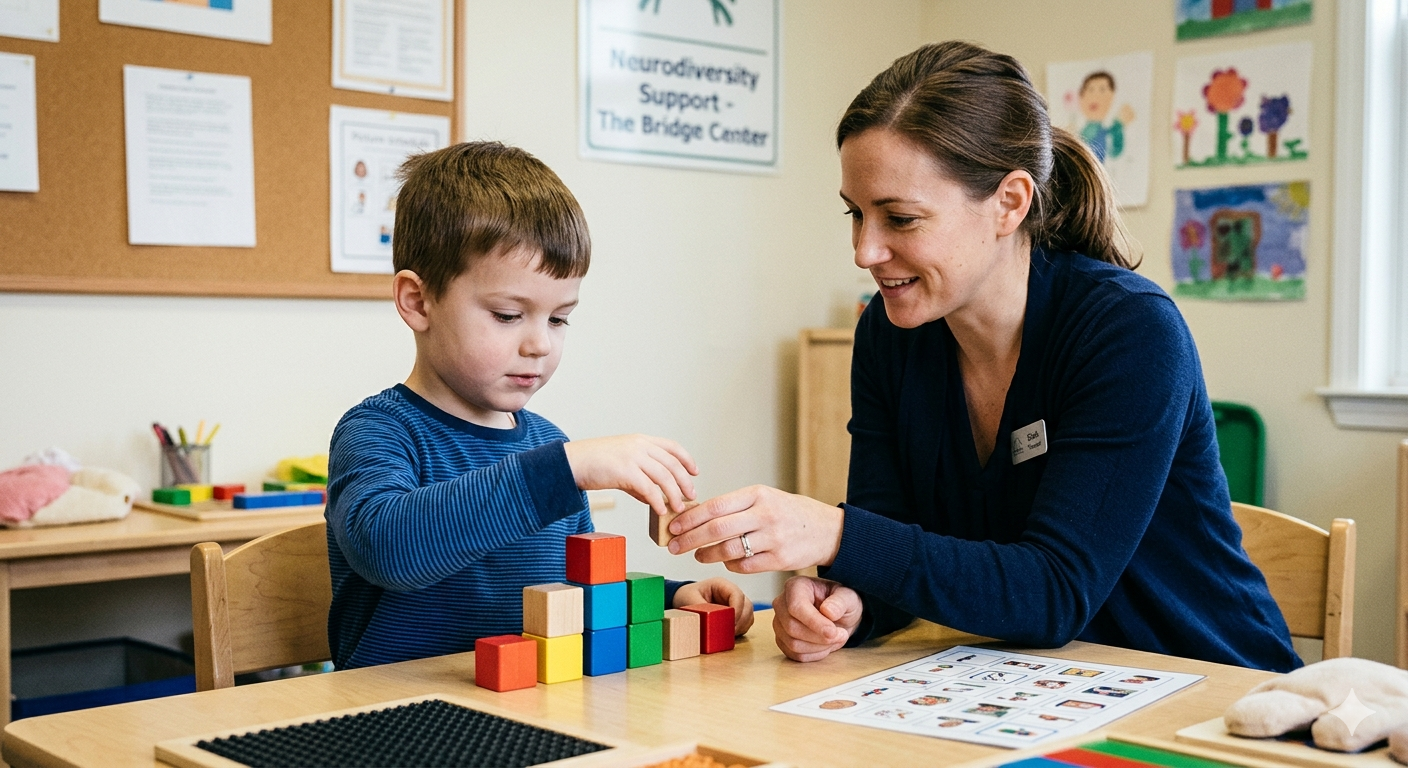
Repetitive behaviors in autism, often called “stimming” or stereotypy, are a hallmark of autism spectrum disorder (ASD). If you’re a parent or caregiver wondering why your child with autism engages in hand-flapping, rocking, or repeating phrases, you’re not alone. These autism and repetitive behaviors serve important purposes, from self-regulation to communication. In this guide, we’ll explore what they are, why they happen, and practical strategies to support your child without suppressing their natural needs.
What Are Repetitive Behaviors in Autism?
Repetitive behaviors involve actions or sounds repeated frequently, sometimes intensely. Common examples include:
-
Motor stereotypies: Hand-flapping, spinning, rocking back and forth, or toe-walking.
-
Verbal repetitions: Echolalia (repeating words or phrases), scripting from movies or shows.
-
Object manipulation: Lining up toys, spinning wheels, or flicking objects.
-
Sensory-seeking: Rubbing textures, sniffing items, or staring at lights.
According to the DSM-5 diagnostic criteria for autism, these behaviors fall under “restricted, repetitive patterns of behavior, interests, or activities.” They appear early in development and persist across the spectrum—from mild in high-functioning individuals to more pronounced in those needing substantial support.
Autism and repetitive behaviors aren’t random; they often increase during stress or overstimulation. For instance, a child might flap their hands excitedly after a favorite song or rock to soothe anxiety in a noisy mall.
Why Do Repetitive Behaviors Occur in Autism?
Research from organizations like the Autism Society and CDC highlights several reasons behind autism and repetitive behaviors:
-
Self-regulation: Many autistic individuals use stimming to manage sensory input, emotions, or arousal levels. It’s like a built-in thermostat for an overwhelming world.
-
Sensory processing differences: Autism often involves atypical sensory experiences—lights too bright, sounds too loud. Repetitive actions provide comforting, predictable input.
-
Communication tool: When words fail, behaviors speak. Rocking might signal “I’m tired,” while repeating a phrase could express joy or frustration.
-
Neurological factors: Brain imaging studies show differences in the basal ganglia and cerebellum, areas linked to habit formation and movement control.
-
Anxiety reduction: In high-stress situations, these behaviors lower cortisol levels, much like adults twirl hair or tap feet.
Not all repetitive behaviors need intervention. A 2023 study in Autism Research found that allowing healthy stimming improves focus and well-being, challenging outdated views that they must be “extinguished.”
The Impact of Repetitive Behaviors on Daily Life
While autism and repetitive behaviors can be adaptive, they sometimes interfere with learning, social interactions, or safety. For example:
-
Intense stimming during school might distract from lessons.
-
Repetitive interests (like fixating on trains) could limit social play.
-
Self-injurious forms, like head-banging, require urgent attention.
On the positive side, channeling these behaviors builds skills. A child obsessed with lining blocks might excel in patterns, paving the way for math or coding talents.
Strategies to Manage Autism and Repetitive Behaviors
Management focuses on understanding why the behavior occurs, not eliminating it. Here’s a step-by-step approach grounded in evidence-based practices:
-
Observe and track: Use an ABC chart (Antecedent-Behavior-Consequence) to note triggers. Apps like Autism Tracker simplify this.
-
Create sensory-friendly environments: Dim lights, reduce noise, and offer “stim tools” like fidget toys, chewable necklaces, or weighted blankets.
-
Replace with alternatives: Teach functional equivalents. Swap harmful rocking for a therapy swing.
-
Behavioral therapies:
-
ABA (Applied Behavior Analysis): Breaks behaviors into steps, reinforcing positive alternatives.
-
Occupational Therapy (OT): Addresses sensory needs with brushing protocols or heavy work activities like pushing walls.
-
-
Visual supports: Schedules and social stories predict changes, reducing anxiety-driven stimming.
Always consult professionals—pediatricians, BCBAs, or OTs—for personalized plans.
When to Seek Professional Help for Repetitive Behaviors
Most autism and repetitive behaviors are harmless, but watch for red flags:
-
Self-injury (biting, hitting).
-
Interference with sleep, eating, or safety.
-
Sudden increase, signaling pain, seizures, or GI issues.
Early intervention via programs like Early Start Denver Model (ESDM) yields the best outcomes. In the U.S., contact your state’s early intervention services or Autism Speaks resource guide.
Real-Life Success Stories
Meet Alex, a 7-year-old with autism whose hand-flapping disrupted class. His OT introduced “flap boards” (padded surfaces for safe flapping) and yoga balls for rocking. Within months, Alex participated more in group activities while keeping his stims. Stories like his show that empathy plus strategy transforms challenges into strengths.
Embracing Neurodiversity: A Positive Outlook
The neurodiversity movement reframes autism and repetitive behaviors as variations, not deficits. Autistic self-advocates like Temple Grandin emphasize that stimming fuels creativity and focus. By supporting rather than shaming, we help autistic children thrive.
In summary, autism and repetitive behaviors are windows into a unique neurology. With patience, tools, and expert guidance, you can turn them into assets.
Ready to learn more? Share this article and consult a specialist today.