

Task Analysis in ABA Therapy: A Trending Skill-Building Strategy
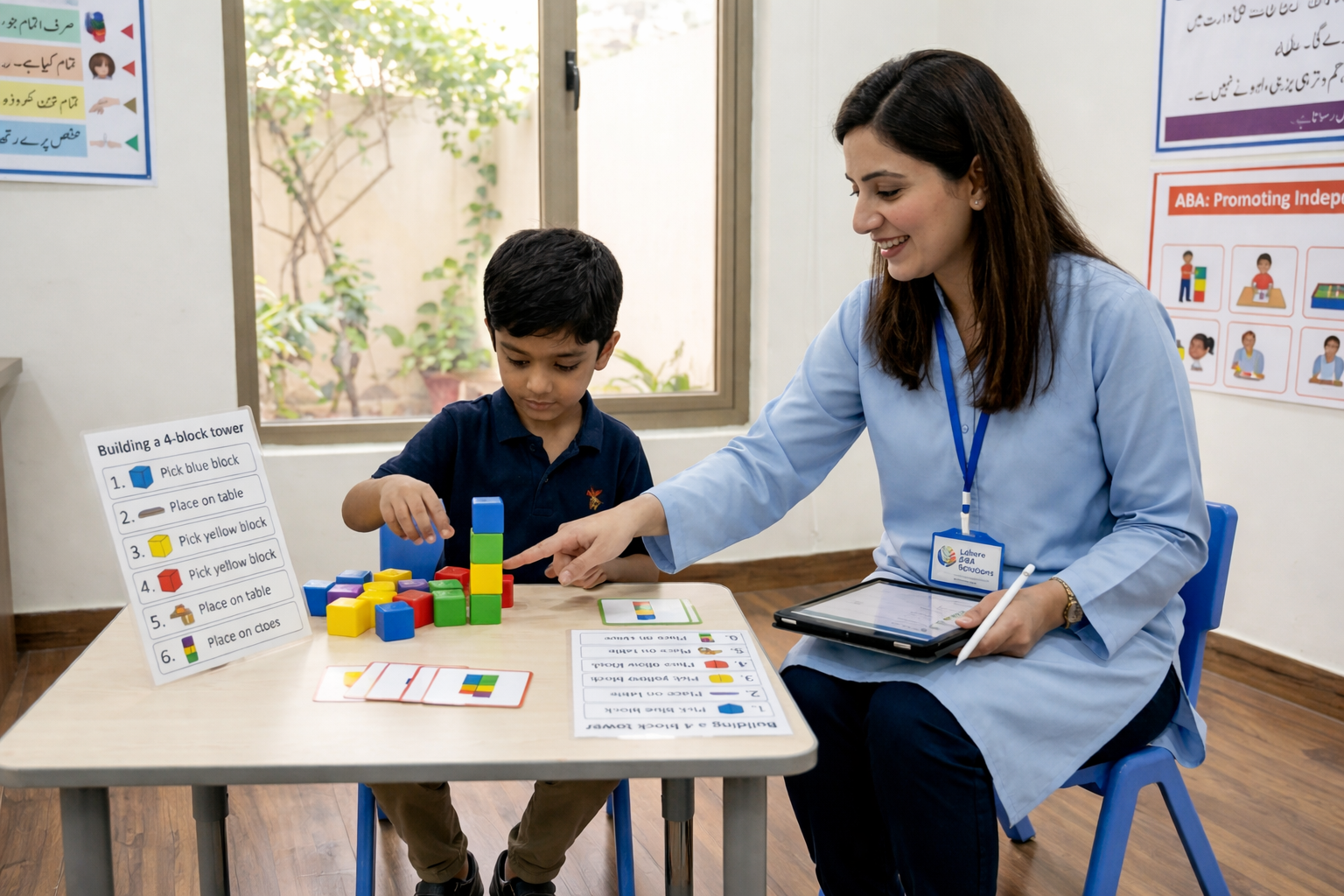
Task analysis has surged as a trending topic in ABA therapy, offering a structured way to teach complex skills to individuals with autism and developmental challenges. This technique breaks overwhelming tasks into simple, sequential steps, making learning accessible and effective.
What Is Task Analysis?
Task analysis in ABA therapy involves dissecting a complex skill, like brushing teeth or tying shoelaces, into smaller, teachable actions. Therapists observe the task, identify prerequisites, and sequence steps logically to ensure mastery builds gradually. This data-driven method supports customization for each learner’s needs, strengths, and pace.
Why It’s Trending Now
Recent discussions highlight task analysis for its measurable results in reducing frustration and boosting independence, especially amid growing ABA adoption. Online forums and therapy blogs emphasize its role in modern interventions, with 2026 updates focusing on tech integrations like video modeling. Its versatility across daily living, social, and communication skills keeps it relevant for parents and providers.
Key Benefits
-
Skill Acquisition: Learners master one step before advancing, building confidence and reducing errors.
-
Error Reduction: Focused steps minimize mistakes, lowering overwhelm during sessions.
-
Independence and Generalization: Prompts fade over time, helping skills transfer to real-world settings like home or school.
-
Progress Tracking: Data on each step allows precise adjustments for optimal outcomes.
These advantages empower children to gain autonomy faster than traditional methods.
Step-by-Step Implementation
Follow these core steps to apply task analysis effectively:
-
Identify the Target Skill: Choose a functional goal, such as handwashing.
-
Break It Down: List sequential actions—turn on water, wet hands, apply soap.
-
Teach with Prompts: Use verbal, visual, or physical cues, fading them as proficiency grows.
-
Collect Data: Track success per step to refine the plan.
-
Reinforce and Generalize: Reward progress and practice in varied environments.
Examples include teaching play skills or meal prep, tailored for ABA sessions.
Real-World Examples
For daily living, task analysis turns “getting dressed” into: pick clothes, remove pajamas, put on shirt (arms in first). In social skills, it sequences “greeting a friend”: make eye contact, say hello, smile. Therapists report faster generalization, with tools like checklists enhancing home carryover.
Tips for Success
Combine with reinforcement schedules and visual supports for best results. Regularly review data to adapt, ensuring therapy stays individualized. Parents can replicate at home for consistent progress.