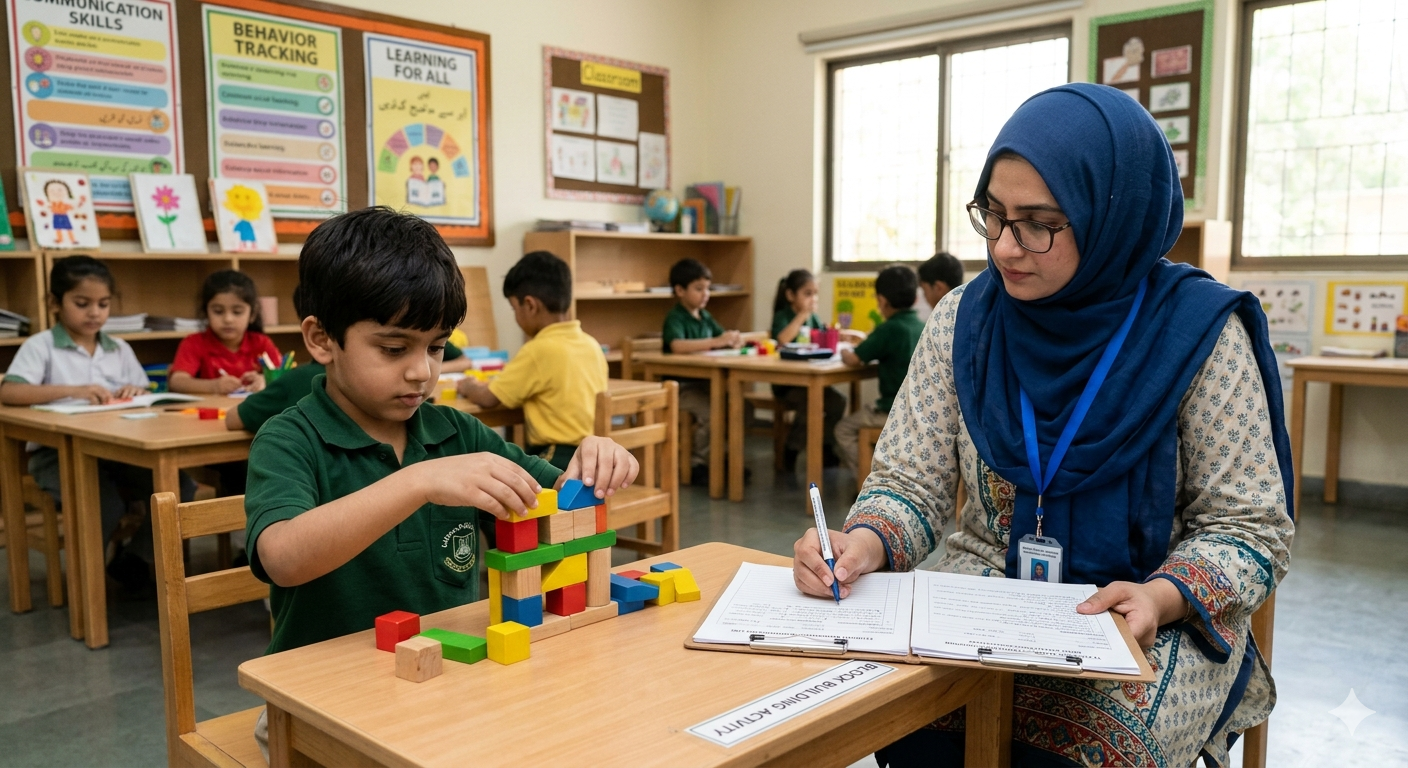


Autism Awareness in Rural Areas: Bridging the Gap for Better Support
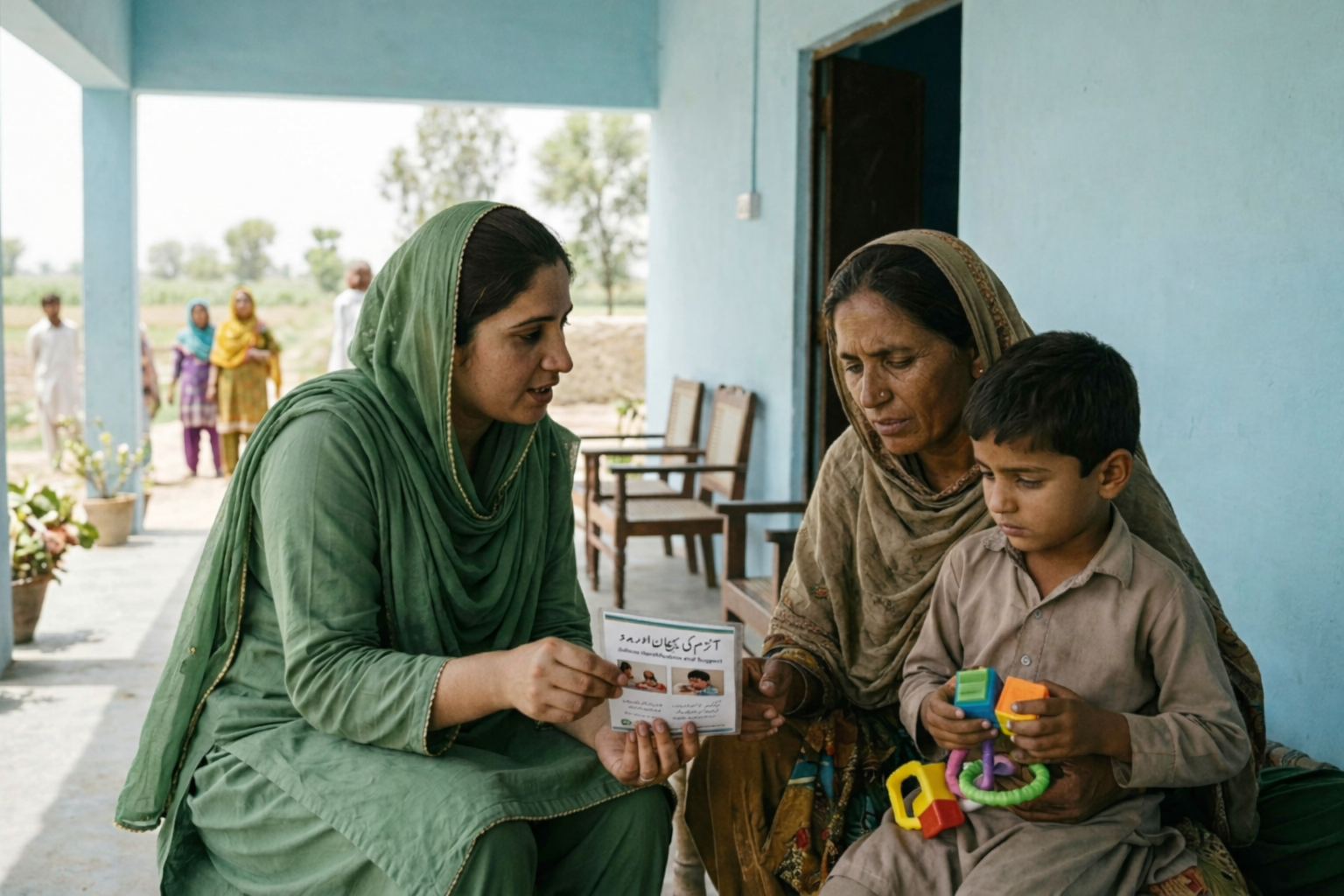
Autism spectrum disorder (ASD) affects 1 in 36 children in the U.S., according to the CDC, yet rural communities often lag far behind urban areas in awareness and resources. Imagine a child in a small farming town struggling with social cues or sensory sensitivities, with parents driving hours for basic screenings. Autism awareness in rural areas isn’t just a buzzword—it’s a lifeline for early intervention and family support.
Unique Challenges of Autism Awareness in Rural Areas
Rural life brings barriers that amplify the isolation of autism. Limited internet access delays online research, while sparse healthcare facilities mean waitlists stretch months for diagnoses.
-
Geographic isolation: Families in places like rural Montana or Appalachia might travel 100+ miles for specialists, missing critical early therapy windows.
-
Stigma and misinformation: Cultural norms in tight-knit communities can label autistic behaviors as “just shy” or “willful,” delaying recognition.
-
Resource scarcity: Only 20% of rural counties have Board Certified Behavior Analysts (BCBAs) for ABA therapy, per recent studies.
-
Economic hurdles: Lower incomes and farm-based schedules make paid therapies unaffordable.
These gaps mean rural kids often receive diagnoses years later, missing therapies that boost outcomes by 50% when started early.
Why Autism Awareness Matters More in Rural Communities
Raising autism awareness in rural areas empowers parents, teachers, and leaders to spot signs like repetitive behaviors or speech delays. Early awareness leads to tools like occupational therapy for fine motor skills or speech therapy for communication—essentials often overlooked in underfunded schools.
A real-world example: In rural Iowa, a grassroots campaign trained farm cooperative leaders to recognize autism, resulting in 30% more referrals to telehealth services within a year.
Practical Steps to Boost Autism Awareness in Rural Areas
Communities can turn the tide with targeted actions. Start small and scale up.
-
Host local workshops: Partner with extension services for free sessions on ASD signs, using simple visuals for low-literacy groups.
-
Leverage telehealth: Platforms like Zoom connect rural families to urban experts for behavioral therapy, cutting travel costs by 80%.
-
Train everyday heroes: Equip teachers and clergy with autism-friendly strategies, like quiet zones in one-room schoolhouses.
-
Build peer networks: Create Facebook groups or county fairs booths for parent meetups, fostering support without long drives.
-
Advocate for policy: Push for mobile screening units, as piloted in rural Texas, bringing autism evaluations to remote towns.
Evidence shows these steps improve diagnosis rates by up to 40% in underserved areas.
Success Stories Lighting the Way
In rural Nebraska, the “Farmers for Autism” initiative screened 200 kids at county fairs, linking 50 families to occupational and physical therapies. Parents report huge gains: one child went from nonverbal meltdowns to chatting about tractors. These wins prove autism awareness in rural areas sparks real change.
Call to Action: Join the Rural Autism Revolution
Autism awareness in rural areas starts with you. Share this article, organize a local event, or contact your state representative for better funding. Early support through therapies transforms lives—don’t let location be a barrier.
For more on speech therapy, ABA, or occupational therapy resources, explore our site or reach out today.