


Autism and Parental Concerns: Navigating Diagnosis, Support, and Hope
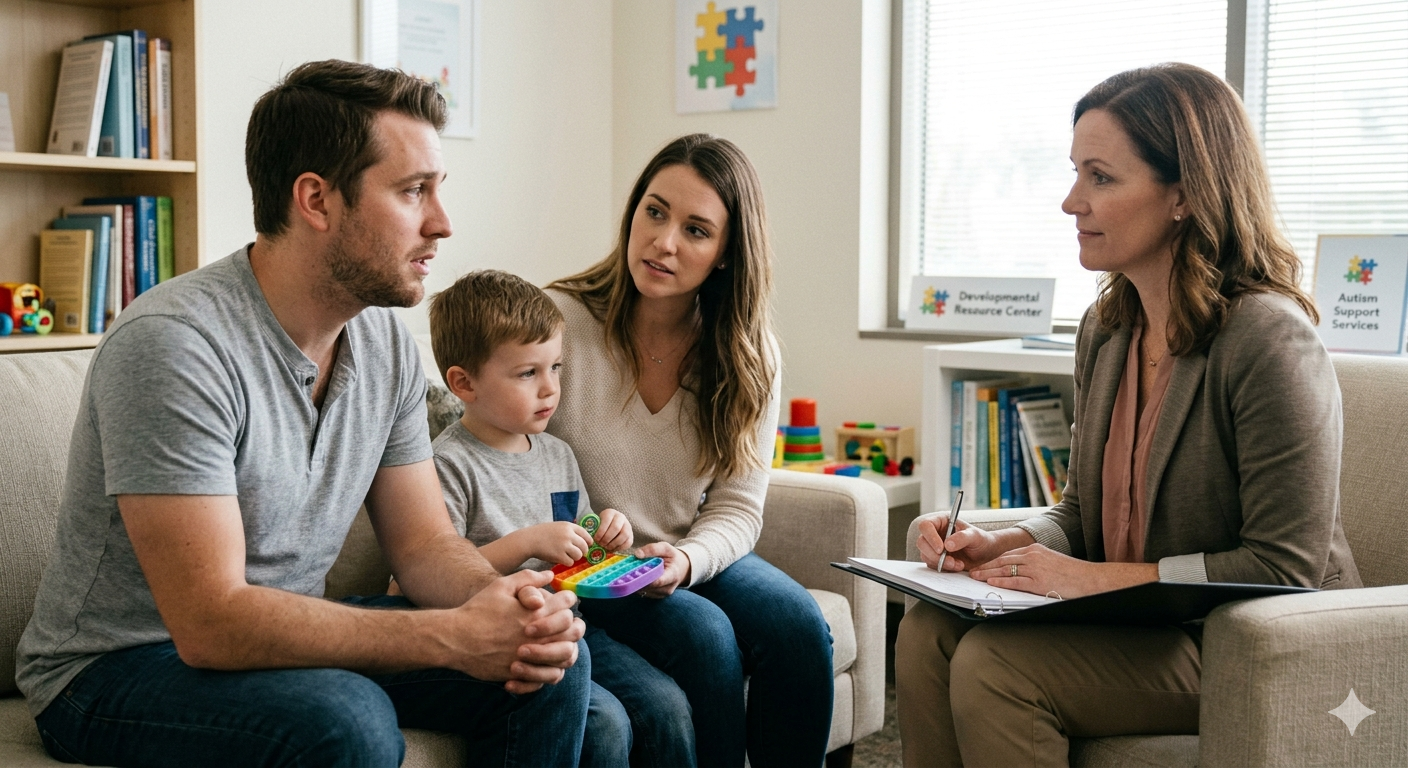
As a parent, discovering your child might be on the autism spectrum can feel overwhelming. Questions swirl: What does this mean? How will it affect their future? Autism and parental concerns often center on early signs, daily challenges, and finding the right support. You’re not alone—millions of families worldwide face these worries, and with the right knowledge and resources, you can turn uncertainty into empowerment.
Understanding Autism: Key Facts for Worried Parents
Autism Spectrum Disorder (ASD) is a neurodevelopmental condition affecting communication, social interaction, and behavior. It varies widely—some children thrive with minimal support, while others need intensive therapies.
Common autism and parental concerns include:
-
Delayed milestones: Not babbling by 12 months or avoiding eye contact.
-
Sensory sensitivities: Overreactions to lights, sounds, or textures.
-
Repetitive behaviors: Lining up toys or intense fixations on routines.
Early diagnosis, often around ages 2-3, is crucial. The CDC notes 1 in 36 U.S. children has ASD, with boys diagnosed four times more often than girls. If you spot red flags, consult a pediatrician for screening tools like the M-CHAT.
Top Parental Concerns and Real-Life Reassurances
Parents frequently voice these fears—here’s how to address them head-on.
Social and Communication Struggles
Many worry their child will never make friends or speak fluently. Speech therapy can transform this: techniques like picture exchange communication systems (PECS) help nonverbal kids express needs, building toward verbal skills. One parent shared, “After six months of therapy, my son said ‘I love you’ for the first time—it melted my heart.”
Behavioral Challenges and Meltdowns
Repetitive actions or outbursts spark anxiety about school or safety. Applied Behavior Analysis (ABA) therapy shines here, using positive reinforcement to teach coping skills. Data from the National Autism Society shows ABA reduces problem behaviors by up to 50% in many cases.
Future Independence and Long-Term Outcomes
Will they live independently? Occupational therapy (OT) targets fine motor skills, self-care, and sensory integration, fostering daily living skills. Studies from the Autism Research Institute indicate early intervention boosts IQ by 15-20 points on average, paving the way for jobs and relationships.
Pro Tip: Track concerns in a journal—note triggers, strengths, and progress—to share with therapists.
Practical Steps to Ease Parental Concerns
Don’t wait—action alleviates worry.
-
Seek Professional Evaluation: Start with your pediatrician or early intervention programs like those under IDEA in the U.S., offering free services for kids under 3.
-
Build a Therapy Team: Combine ABA for behavior, speech therapy for communication, OT for sensory/motor skills, and physical therapy if coordination is an issue.
-
Access Resources: Join communities like Autism Speaks or local chapters of the Autism Society. Apps like Proloquo2Go aid communication on the go.
-
Prioritize Self-Care: Parental burnout is real—therapy for you, like support groups, prevents compassion fatigue.
Visual supports work wonders too. For example, a simple sensory chart:
Hope on the Horizon: Stories of Triumph
Take Emily’s son, diagnosed at 2: Autism and parental concerns dominated her life until a mix of ABA and speech therapy unlocked his potential. Now 8, he excels in math and has playground buddies. Research backs this— a 2023 JAMA Pediatrics study found 40% of kids with early intervention lose their ASD diagnosis by school age.
Progress isn’t linear, but consistency pays off. Celebrate small wins, like a shared smile or new word.
Moving Forward with Confidence
Autism and parental concerns are valid, but they’re not the end of the story. Early action, tailored therapies, and community support equip your child—and you—for a bright future. Reach out today; empowerment starts with that first step.
Sources: CDC, Autism Speaks, National Autism Society, JAMA Pediatrics (2023). Consult professionals for personalized advice.