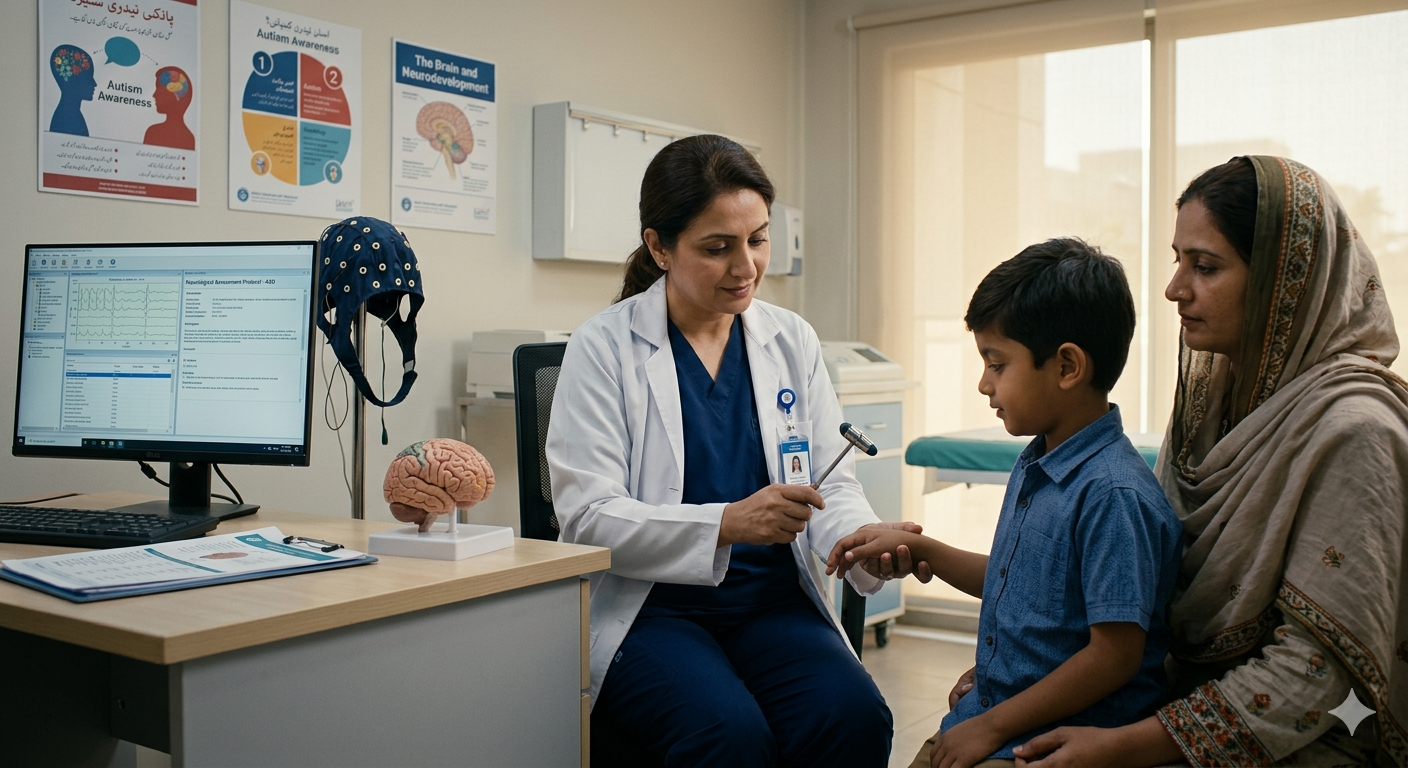


Autism and Medical Tests: What’s Proven, What’s Not, and What Parents Need to Know
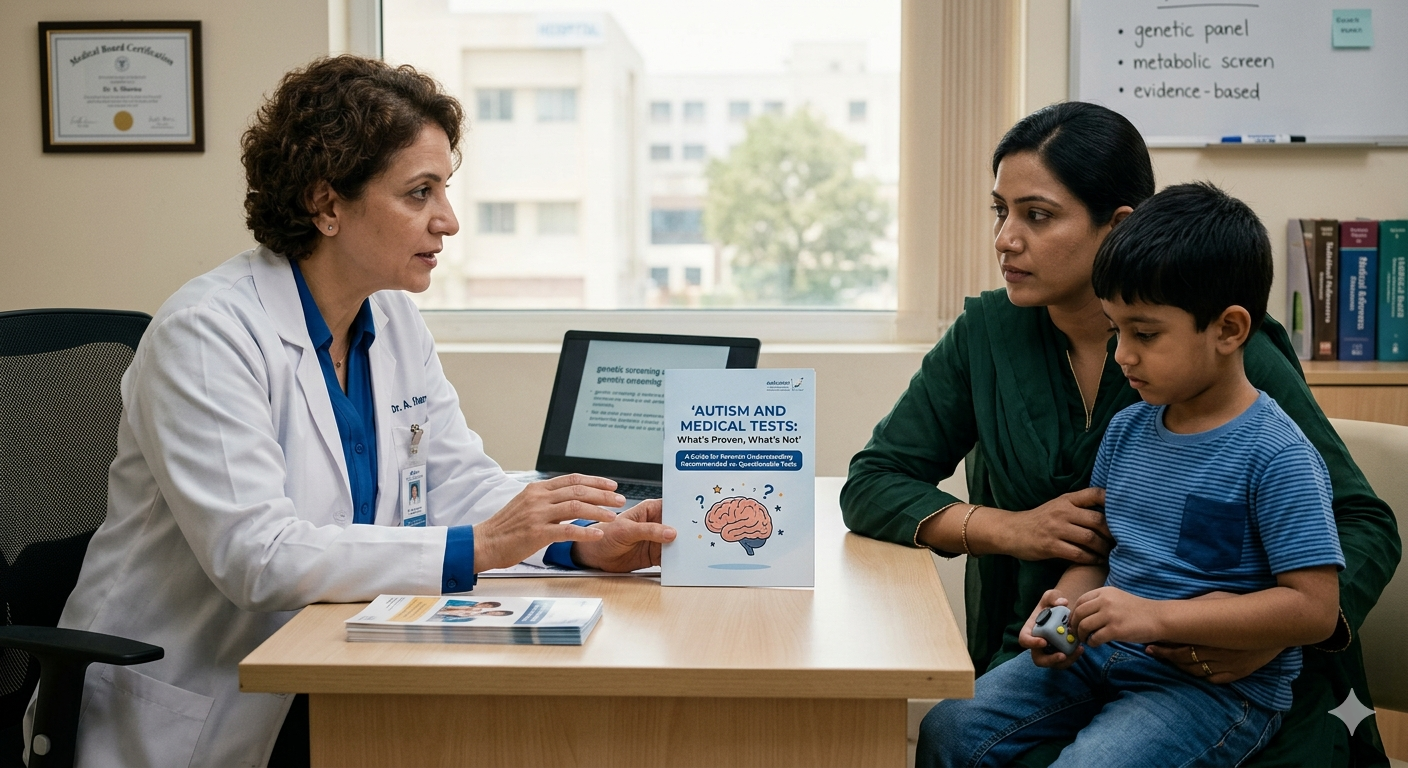
Autism spectrum disorder (ASD) is a complex neurodevelopmental condition that affects communication, social interaction, and behavior across a wide spectrum. While there is no single medical test that can definitively diagnose autism, families today are confronted with a growing number of blood tests, genetic panels, and “physiological” assays marketed as “autism tests.” This article explains how autism is actually diagnosed, what role medical tests can—and cannot—play, and what red flags to watch for when evaluating new “autism tests.”
How Autism Is Diagnosed
Autism is diagnosed through a clinical evaluation, not a lab result.
Specialists gather information from:
-
Detailed parent/caregiver interviews about development and behavior
-
Direct observation of the child’s social skills, communication, and play
-
Standardized tools such as the Autism Diagnostic Observation Schedule (ADOS) and screening questionnaires (e.g., M‑CHAT)
These assessments are usually combined with input from psychologists, speech‑language pathologists, and occupational therapists. The goal is to see how the child functions in real‑life social and communication contexts, not to look for a single “autism gene” or biomarker.
Where Medical Tests Do—and Don’t—Fit In
Medical tests can support an autism diagnosis but cannot replace it.
Healthcare providers may use:
-
Hearing and vision tests to rule out sensory problems that mimic autism traits.
-
Genetic or metabolic testing (for example, chromosomal microarrays or single‑gene tests) when there are medical concerns such as intellectual disability, seizures, or unusual physical features.
These tests help identify underlying medical or genetic conditions that may coexist with autism, but they do not by themselves confirm or exclude ASD.
Emerging “Physiological” Tests: Hope and Hype
Researchers are exploring blood‑based biomarkers and algorithms that analyze metabolic profiles to predict autism.
Some small studies report high accuracy in detecting autism using certain blood‑metabolite patterns, but these tools are still in the research phase and not yet part of standard clinical practice.
Potential benefits include:
-
Earlier screening beyond behavioral observation
-
Less subjective, more objective data
However, limitations include:
-
Small sample sizes and limited generalizability
-
Uncertain long‑term reliability and impact on outcomes
Until large, independent trials confirm their accuracy and usefulness, these tests should be treated as experimental, not diagnostic.
Problematic “Autism Tests” and Health Fraud
Some companies sell DNA tests, urine panels, or “metabolic” profiles with claims that they can diagnose autism or predict “cures.”
Families have reported spending thousands of dollars on unproven tests followed by expensive supplements or restrictive diets that lack scientific backing.
Regulators and experts warn that:
-
Many of these tests are not adequately validated
-
Marketing promises of “cure” or transformation are not supported by solid evidence and may amount to health fraud
Parents should be cautious of any provider who:
-
Sells a single test as the definitive autism diagnosis
-
Pushes high‑cost supplements or unapproved treatments based on a test
-
Makes dramatic claims about reversing autism without peer‑reviewed proof
What Parents Can Do
When a provider suggests a medical test as part of autism screening or evaluation, parents can ask:
-
“How will this test change my child’s diagnosis or treatment plan?”
-
“Is this test widely accepted in autism guidelines, or is it still experimental?”
-
“Are there any known risks, costs, or false‑positive/false‑negative rates?”
It is reasonable—but important—to pair medical investigations with:
-
A thorough developmental assessment by an experienced clinician
-
Early, evidence‑based interventions such as speech therapy, occupational therapy, and behavioral supports, tailored to the child’s unique profile
Autism, Medical Tests, and the Future
Autism is a spectrum, and so is the quality of medical testing being offered.
While some emerging tests hold promise for earlier or more objective screening, they must be held to the same scientific standards as any other medical tool.
For families, the takeaway is this: trust clinical evaluation first, treat novel “autism tests” as experimental until independent research confirms them, and always seek care from reputable, multidisciplinary teams rather than relying on a single lab result or marketing claim.