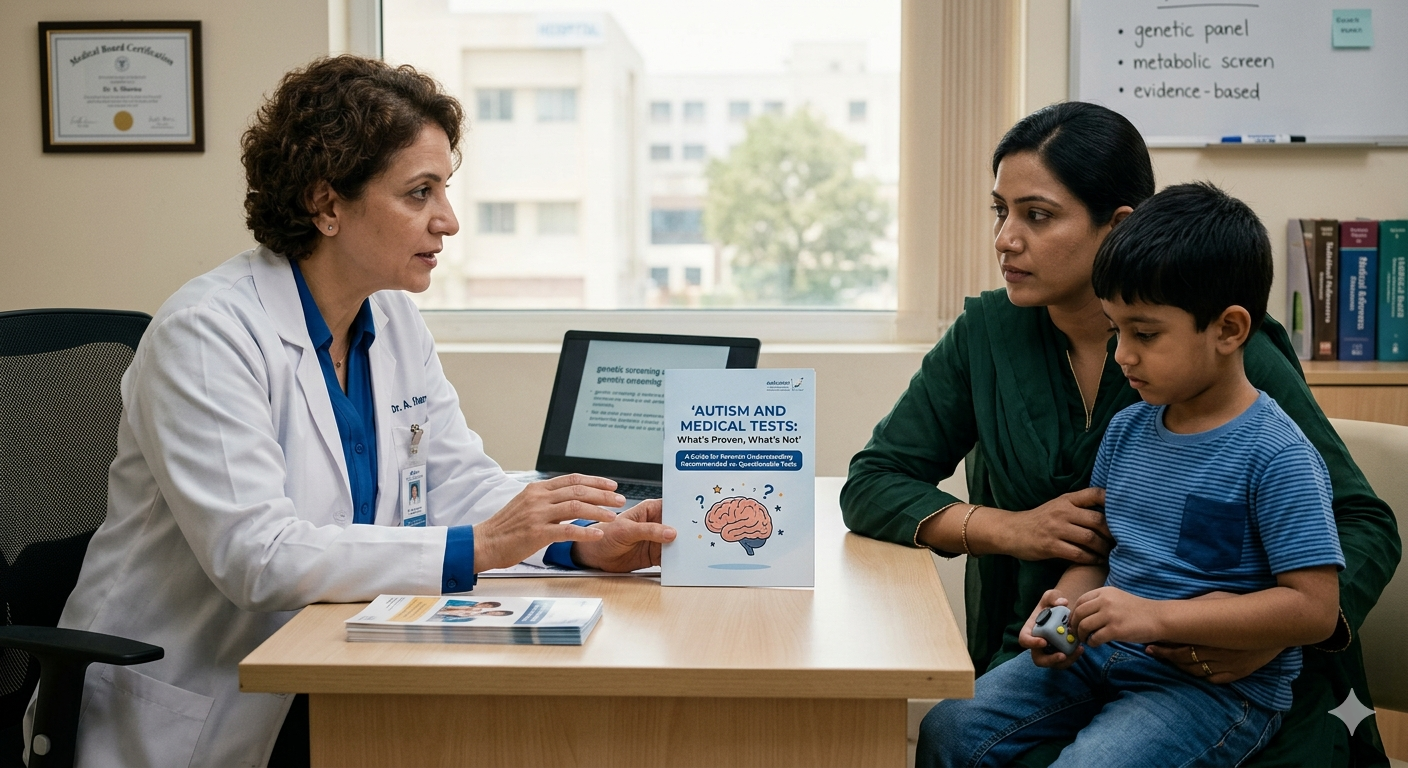


Understanding Autism and the Role of Neurological Exams
Autism Spectrum Disorder (ASD) is a neurodevelopmental condition characterized by differences in social communication, sensory processing, and repetitive or restricted behaviors. While autism is not diagnosed by a single “neurological test,” neurological exams and related assessments play an important supportive role throughout the evaluation and management process.
What a Neurological Exam Involves
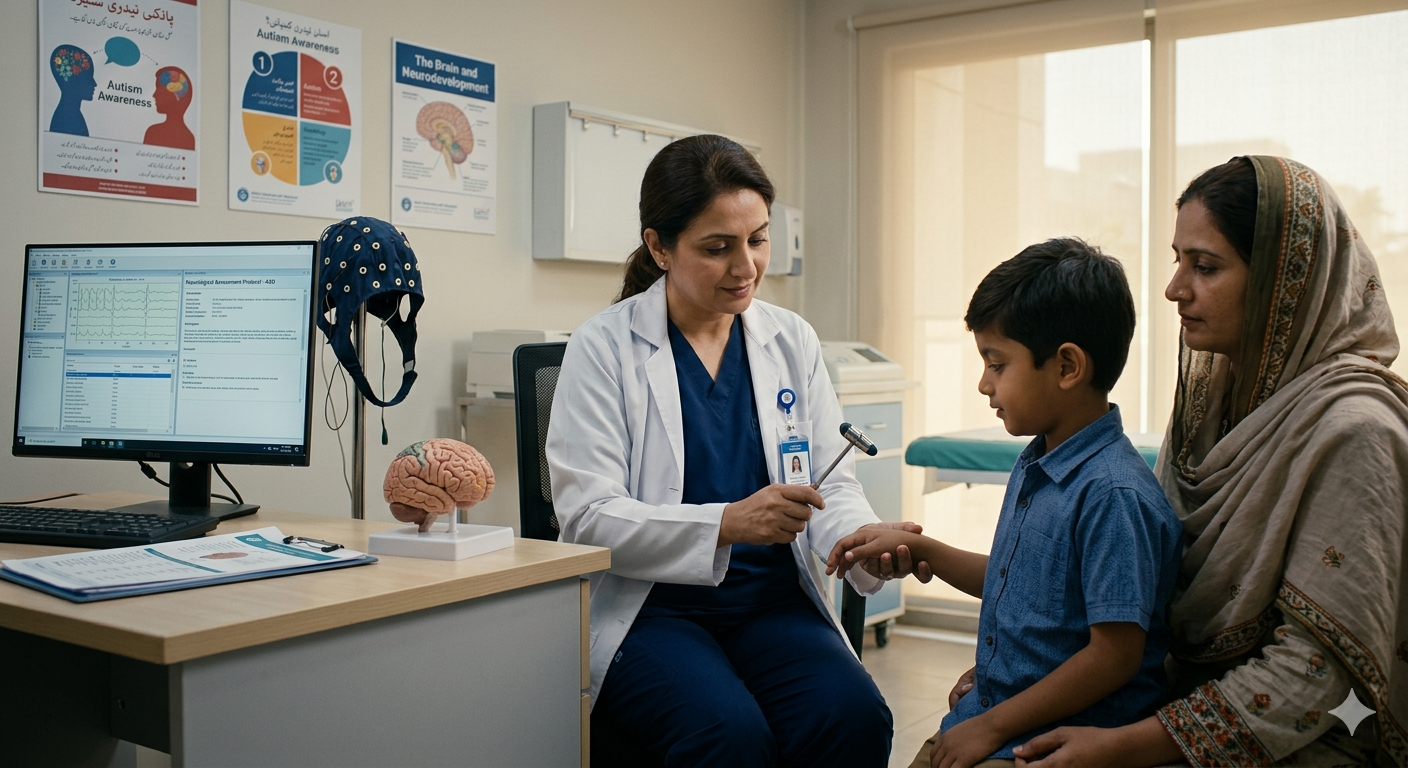
A neurological exam is a clinical tool used to assess how the brain, spinal cord, and peripheral nerves are functioning. For children or adults being evaluated for autism, it typically includes checks of:
-
Motor skills (coordination, balance, muscle tone and strength)
-
Sensory responses (reaction to touch, sound, light)
-
Reflexes and cranial nerve function
-
Basic cognitive and language behavior relevant to the child’s age
Neurologists use these observations to look for signs of other neurological conditions—such as epilepsy, motor disorders, or structural brain abnormalities—that may co‑occur with or mimic autistic traits.
Why Neurological Assessments Are Used in Autism
Neurological exams in autism are not usually meant to diagnose autism itself, because there is no single blood test, brain scan, or routine neurologic finding that confirms ASD. Instead, they serve several key purposes:
-
Rule out other conditions that can cause similar behavioral or developmental symptoms, such as seizures, genetic syndromes, or metabolic disorders.
-
Identify comorbidities like epilepsy, motor impairments, or sleep disturbances, which are more common in autistic individuals and can significantly affect daily functioning and treatment planning.
-
Guide further testing when needed, such as EEGs (to look for seizure activity) or brain imaging (MRI), especially if there are atypical features like regression, seizures, or unusual neurological findings.
Common Additional Tests Linked to Neurological Evaluations
Alongside the physical neurological exam, clinicians may order:
-
Developmental and behavioral assessments (e.g., ADOS‑2, ADI‑R, screenings that track communication, social interaction, and repetitive behaviors).
-
Cognitive and language testing to understand strengths and challenges in thinking, learning, and speech.
-
EEG or MRI when there are concerns about seizures, movement disorders, or possible structural brain differences.
These tools are intended to complement—not replace—the clinical neurological exam and the broader autism evaluation conducted by psychologists, developmental pediatricians, or psychiatrists.
Concerns and Critiques Around Autism Testing
Some autistic self‑advocates and researchers have raised concerns about how autism and its neurological correlates are studied and tested. Common worries include:
-
Overreliance on “norm‑based” tests that pathologize natural neurodiversity rather than focusing on support and accommodation.
-
Invasive or burdensome assessments, including long testing sessions, that can cause stress or sensory overload for autistic individuals.
-
Ethical questions about genetic and brain‑based research that could be used to screen for autism prenatally, potentially aiming at reduction or elimination rather than understanding and support.
These concerns highlight the need for exams and tests to be conducted with shared decision‑making, informed consent, and clear goals of improving quality of life rather than “fixing” neurodivergence.
How Families Can Approach Autism and Neurological Evaluations
For families seeking an autism evaluation, it helps to view the neurological exam as one part of a broader picture that should also include:
-
A detailed developmental and behavioral history from parents and caregivers.
-
Input from teachers or other professionals who see the child regularly.
-
Therapeutic and educational supports tailored to the individual’s sensory, communication, and learning profile.
When a neurologist or specialist suggests an exam or test, parents can ask:
-
What specific question is this test trying to answer?
-
How will the results change supports, therapies, or medical management?
-
Are there less invasive or more child‑friendly options?
This kind of dialogue helps ensure that neurological exams serve the autistic person’s well‑being rather than simply generating labels or data.
Conclusion for Your Website Content
An article framed around “Autism and Neurological Exams” can position your practice as both clinically informed and family‑centric. You might emphasize that:
-
Neurological exams are helpful for ruling out other conditions and identifying co‑occurring issues, but they do not “diagnose autism.”
-
The best evaluations combine medical, developmental, and behavioral perspectives, always with autistic individuals’ comfort and autonomy in mind.
This approach will resonate with parents who want to understand what tests are really for—and how they can advocate for assessments that are meaningful, respectful, and focused on long‑term support.