

Autism Identification in Girls
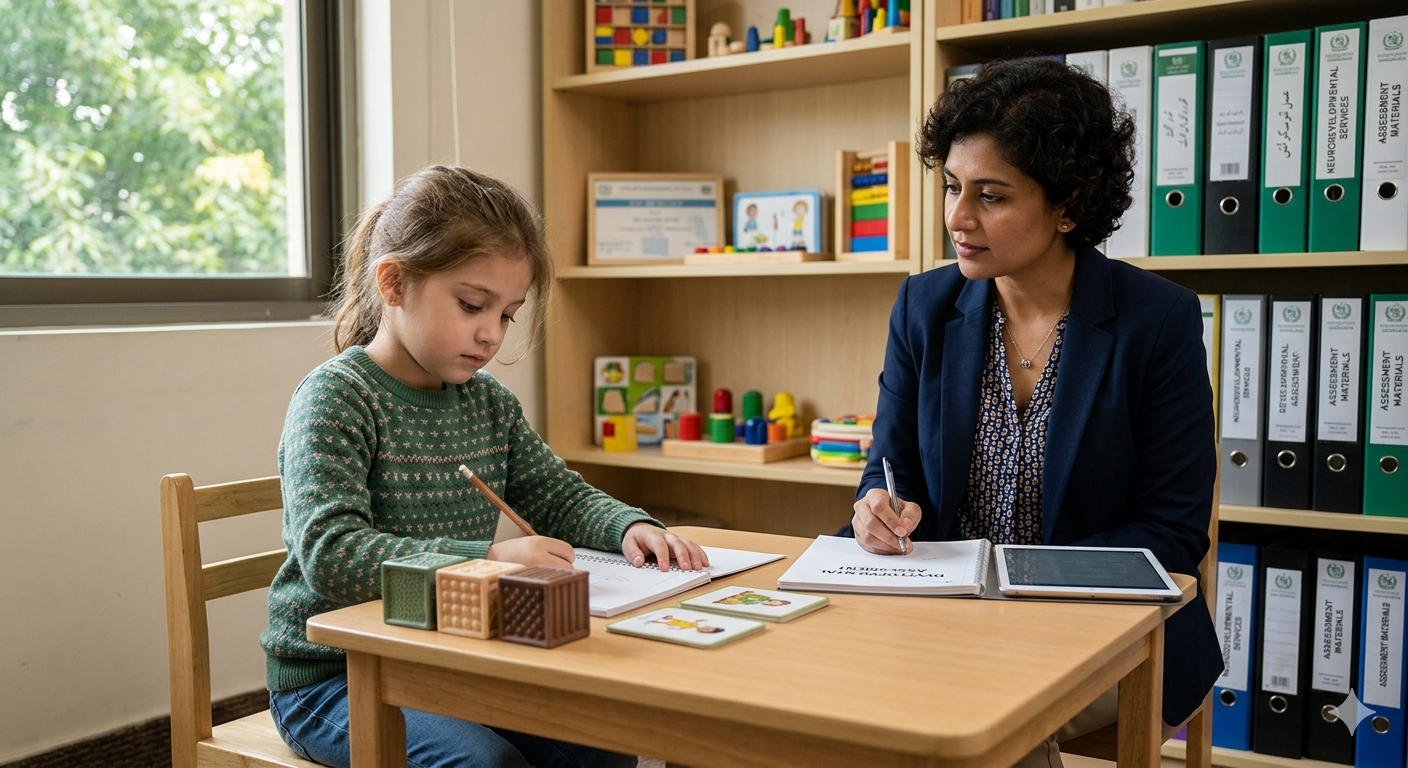
Autism in girls is often missed because many girls do not show the most obvious signs people expect. They may mask difficulties, copy social behavior, or appear simply shy, quiet, or anxious, which can delay recognition and support.
Introduction
Autism identification in girls is an important topic because girls are frequently diagnosed later than boys or not diagnosed at all. This happens partly because autism has historically been studied through a male lens, so the signs in girls are easier to overlook.
Why autism is missed in girls
Many autistic girls learn to camouflage their struggles by rehearsing conversations, forcing eye contact, or mimicking peers. On the surface, this can make them seem socially typical, even when social situations feel confusing or exhausting inside.
Girls may also have interests that look more socially acceptable, so their intense focus can be mistaken for a normal hobby rather than a restricted interest. Because of this, teachers, parents, and even clinicians may not suspect autism until academic, emotional, or social problems become more obvious.
Common signs to notice
Autism can look different in girls, but these signs are commonly reported:
-
Difficulty making or keeping friends, even when they want social connection.
-
Masking behaviors, such as copying expressions, rehearsing conversations, or acting “fine” in public.
-
Strong sensitivity to sound, clothing, light, touch, or other sensory input.
-
Frequent anxiety, shutdowns, or emotional exhaustion after social interaction.
-
Intense interests that may seem typical at first but are unusually deep or all-consuming.
-
Trouble understanding social rules, even when language skills seem age-appropriate.
The cost of late identification
When autism goes unnoticed, girls may be misunderstood as merely shy, sensitive, perfectionistic, or anxious. Over time, this can lead to low self-esteem, burnout, depression, or anxiety because they are constantly trying to fit expectations that do not match how they naturally process the world.
Late identification can also delay helpful support in school, therapy, and daily routines. A proper diagnosis is not about labeling; it is about understanding the child better and matching support to her actual needs.
What parents and teachers can do
If a girl seems to be struggling socially, emotionally, or sensory-wise, it is worth paying attention even if she appears to be coping well on the outside. Look for patterns across settings, since some girls hold it together at school and fall apart at home.
Helpful next steps include:
-
Keeping notes on social, emotional, and sensory concerns.
-
Asking teachers whether they notice masking, withdrawal, or peer difficulties.
-
Seeking an evaluation from a clinician experienced in autism in girls.
-
Considering related concerns such as anxiety, ADHD, or learning differences, which can appear alongside autism.
Conclusion
Autism identification in girls requires looking beyond stereotypes and noticing the quieter, more hidden signs. The earlier autism is recognized, the sooner girls can receive understanding, support, and strategies that help them thrive.