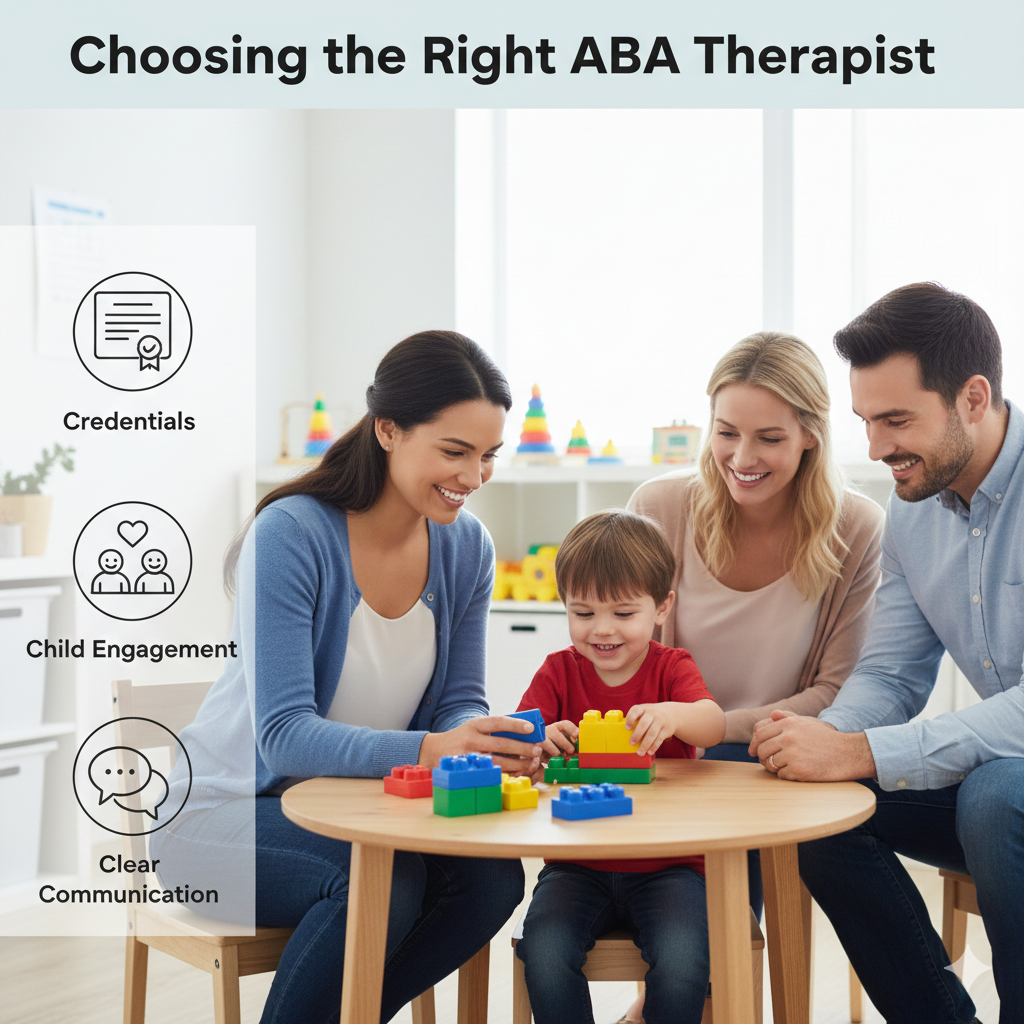


Social Skills Development Through ABA Therapy: A Helpful Guide for Parents
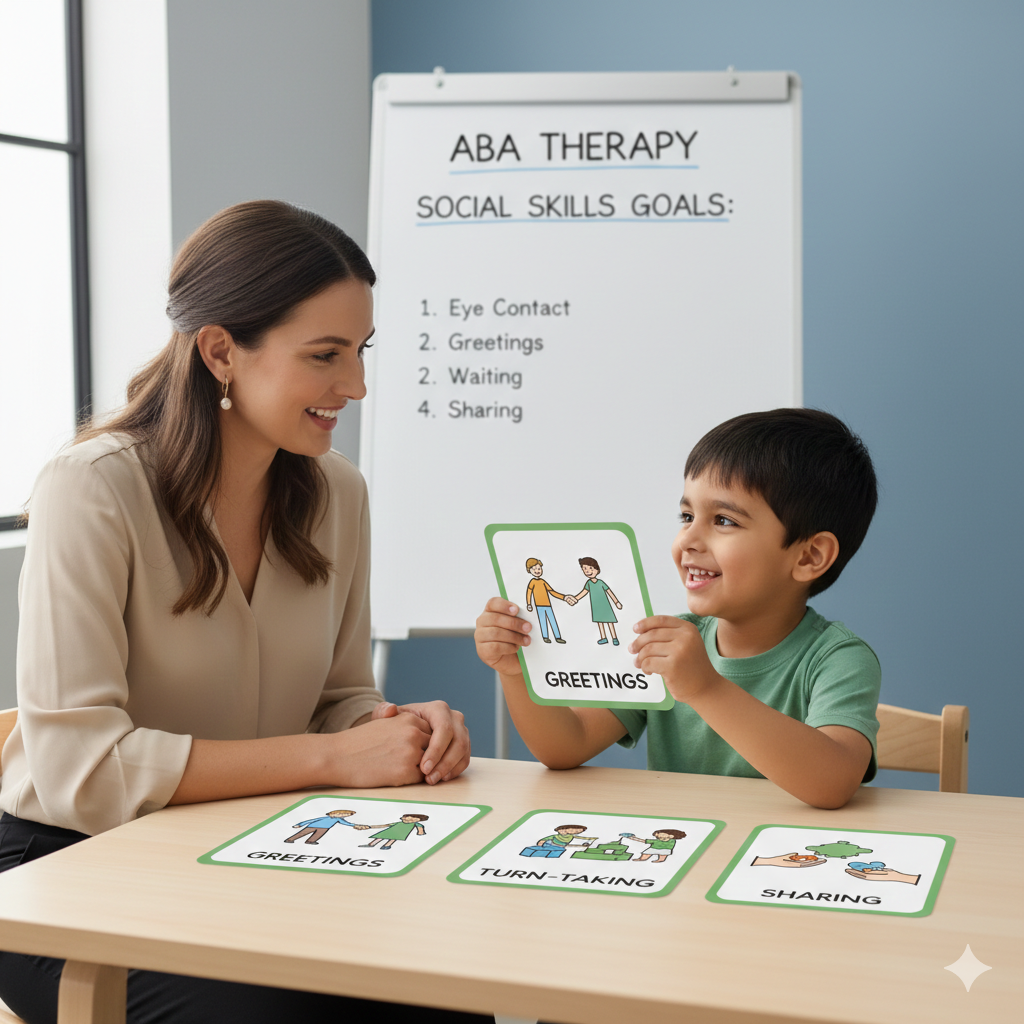
Description; Social skills are an important part of a child’s development. They help children communicate, build friendships, express their feelings, and understand others. For children with autism or developmental delays, learning these skills can sometimes be challenging. This is where Applied Behavior Analysis (ABA) therapy can play a very helpful role. ABA therapy focuses on teaching important life skills in a structured and supportive way, helping children improve their social interactions step by step.
Understanding Social Skills Challenges
Many children with autism struggle with social communication. They may find it difficult to make eye contact, start conversations, understand body language, or take turns while playing with others. Some children may prefer to play alone because they are unsure how to interact with peers. These challenges can affect their confidence and ability to build relationships.
Parents often worry about how their child will make friends or communicate with others. The good news is that social skills can be taught and improved with the right guidance and consistent practice.
How ABA Therapy Helps Build Social Skills
ABA therapy uses proven teaching methods to help children learn positive behaviors and social interactions. Therapists break down complex social skills into small, manageable steps. This makes learning easier and less overwhelming for the child.
For example, instead of teaching “how to make friends” all at once, an ABA therapist may first teach a child how to greet someone, then how to ask questions, and later how to join a group activity.
Therapists also use positive reinforcement. When a child successfully practices a social skill, they receive praise or a reward. This encourages them to repeat the behavior in the future.
Important Social Skills Taught in ABA Therapy
ABA programs often focus on several key social skills that help children interact more comfortably with others. These may include:
Making eye contact and responding to their name
Children learn to look toward the person who is speaking and respond appropriately.
Starting and maintaining conversations
Children practice simple greetings, asking questions, and responding during conversations.
Sharing and taking turns
Through games and activities, children learn patience, cooperation, and teamwork.
Understanding emotions
ABA therapy can help children recognize facial expressions and understand how others might feel.
Playing with peers
Structured play activities teach children how to join games, follow rules, and enjoy group play.
The Role of Parents in Social Skills Development
Parents play a very important role in helping children practice social skills outside therapy sessions. The more a child practices these skills in everyday situations, the more confident they become.
Parents can support their child by encouraging playtime with siblings or friends, practicing greetings at home, and praising their child when they use good social behaviors. Even simple daily activities like family meals or trips to the park can become opportunities to practice communication and interaction.
Working closely with your child’s ABA therapist can also help. Therapists can guide parents on which skills to practice at home and how to respond to different situations.
Long-Term Benefits of Social Skills Training
When children improve their social skills, it can positively impact many areas of their lives. They often feel more confident, participate more in school activities, and build stronger relationships with family members and peers.
Over time, these skills can help children become more independent and comfortable in social environments such as classrooms, playgrounds, and community events.
Final Thoughts for Parents
Every child learns at their own pace, and progress may take time. With patience, consistency, and the support of ABA therapy, many children can make meaningful improvements in their social skills.
As a parent, your encouragement and involvement are key to your child’s success. By working together with therapists and providing opportunities for practice, you can help your child develop the confidence and skills needed to connect with the world around them.