

A Comprehensive Guide to Applied Behavior Analysis (ABA) Therapy
Applied Behavior Analysis (ABA) is a research-backed therapy rooted in learning theory, primarily used to support individuals with autism spectrum disorder (ASD) and other developmental challenges. Developed from B.F. Skinner’s work on operant conditioning, ABA examines how behaviors connect to their environments and uses targeted interventions to promote positive change. Therapists apply it across ages, from toddlers to adults, tailoring programs to individual needs.
Core Principles of ABA
ABA rests on seven key dimensions that ensure its effectiveness and applicability. First, it must be applied—focusing on socially significant behaviors like communication or self-care. Behavioral means it targets observable actions, not internal states. Analytic requires proving interventions cause changes through data reversal or replication. Technological demands precise, replicable descriptions of procedures. Conceptually systematic ties methods to behavioral principles. Effective prioritizes meaningful, lasting improvements. Generality ensures skills transfer across settings, people, and time.
How ABA Therapy Sessions Work
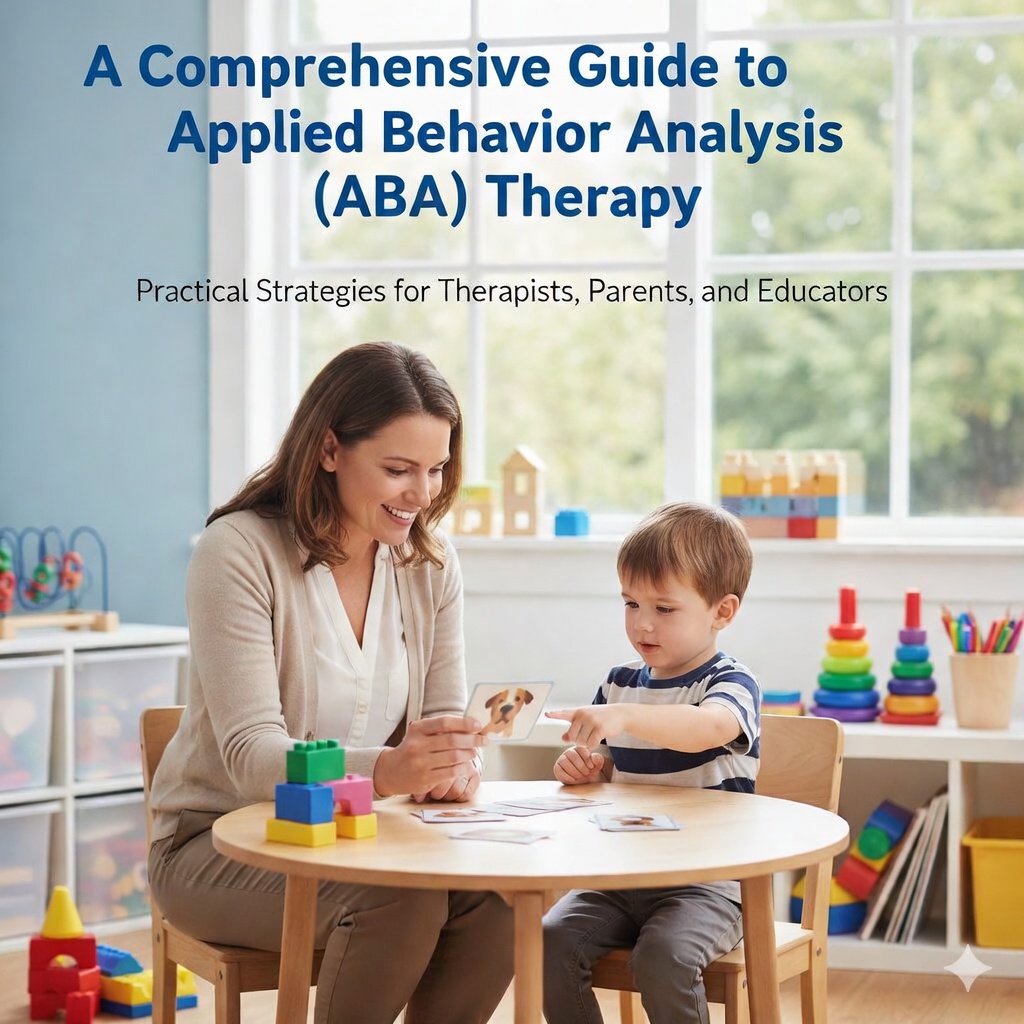
Sessions typically last 2-4 hours, 20-40 hours weekly for intensive early intervention. Therapists use Discrete Trial Training (DTT), breaking skills into prompts, responses, and consequences—like teaching “clap hands” with a verbal cue, child action, then praise or a token. Natural Environment Teaching (NET) embeds learning in play, making it less structured. Pivotal Response Training (PRT) targets motivation and choice to foster independence. Progress tracking via graphs helps adjust plans; for instance, if eye contact rises from 10% to 80% over weeks, the method succeeds.
Proven Benefits and Evidence
Decades of studies show ABA boosts IQ by 15-20 points on average, enhances language, reduces problem behaviors like tantrums, and improves adaptive skills. A landmark 1987 Lovaas study found 47% of children achieved normal functioning after 40 hours weekly. Meta-analyses confirm gains in socialization and daily living, with effects persisting into adulthood. Early start—before age 4—yields the strongest outcomes, often reducing lifelong support needs.
Techniques and Tools in Practice
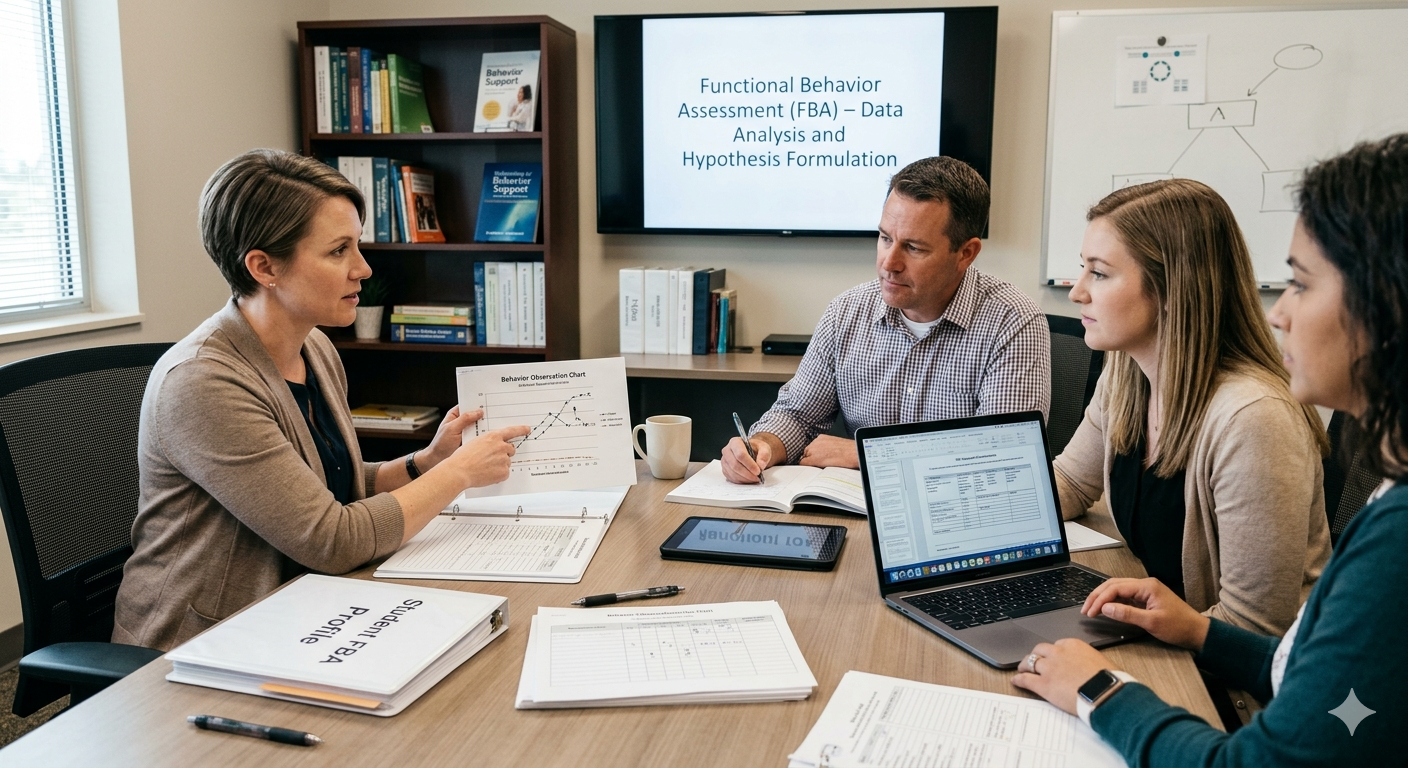
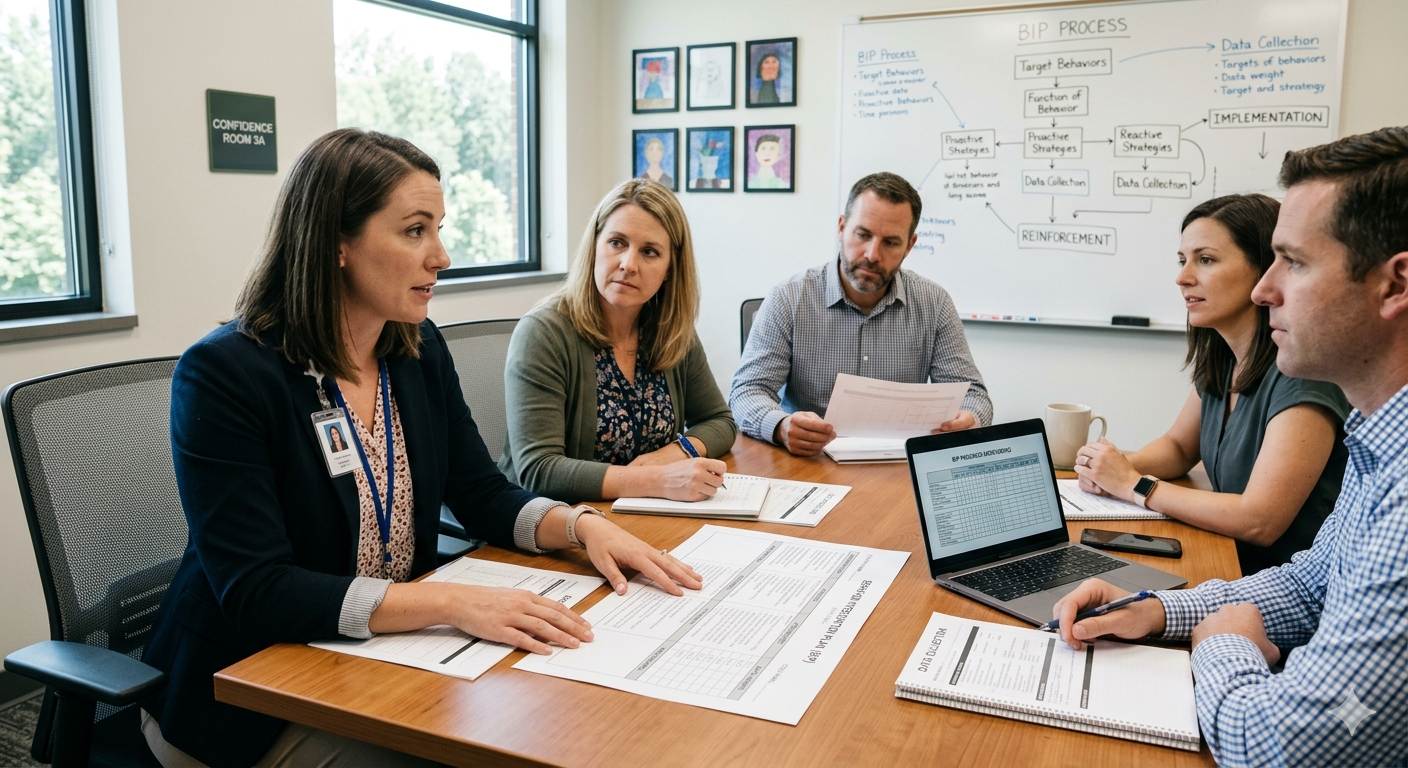
Common tools include token economies, where kids earn stars for tasks, exchanging them for rewards. Functional Behavior Assessments (FBA) identify triggers for issues like aggression, leading to replacement behaviors. Incidental Teaching capitalizes on child-led moments, like expanding a toy request into full sentences. Parent training integrates ABA at home, amplifying results. Modern apps and video modeling add tech layers for consistency.
ABA in the United States
The U.S. excels in ABA due to the 2008 insurance mandate across 50 states, covering up to $50,000 yearly for eligible kids. Over 10,000 Board Certified Behavior Analysts (BCBAs) practice, with centers like those in California and New York offering clinic, school, and telehealth options. Organizations like the Association for Behavior Analysis International (ABAI) set gold standards, funding research at universities such as Vanderbilt. Families benefit from free screenings and individualized education programs (IEPs) blending ABA with speech therapy.
Challenges and Ethical Considerations
Critics note early ABA’s intensity or focus on compliance, but modern “developmental” ABA emphasizes joy and autonomy. Ethical practice requires assent from clients, cultural sensitivity, and avoiding overgeneralization. Ongoing training combats burnout, ensuring humane delivery. Despite debates, ABA remains the most validated autism intervention, evolving with neurodiversity insights.