
ABA Behavioral Therapy: Unlocking Potential for Individuals with Autism and Beyond
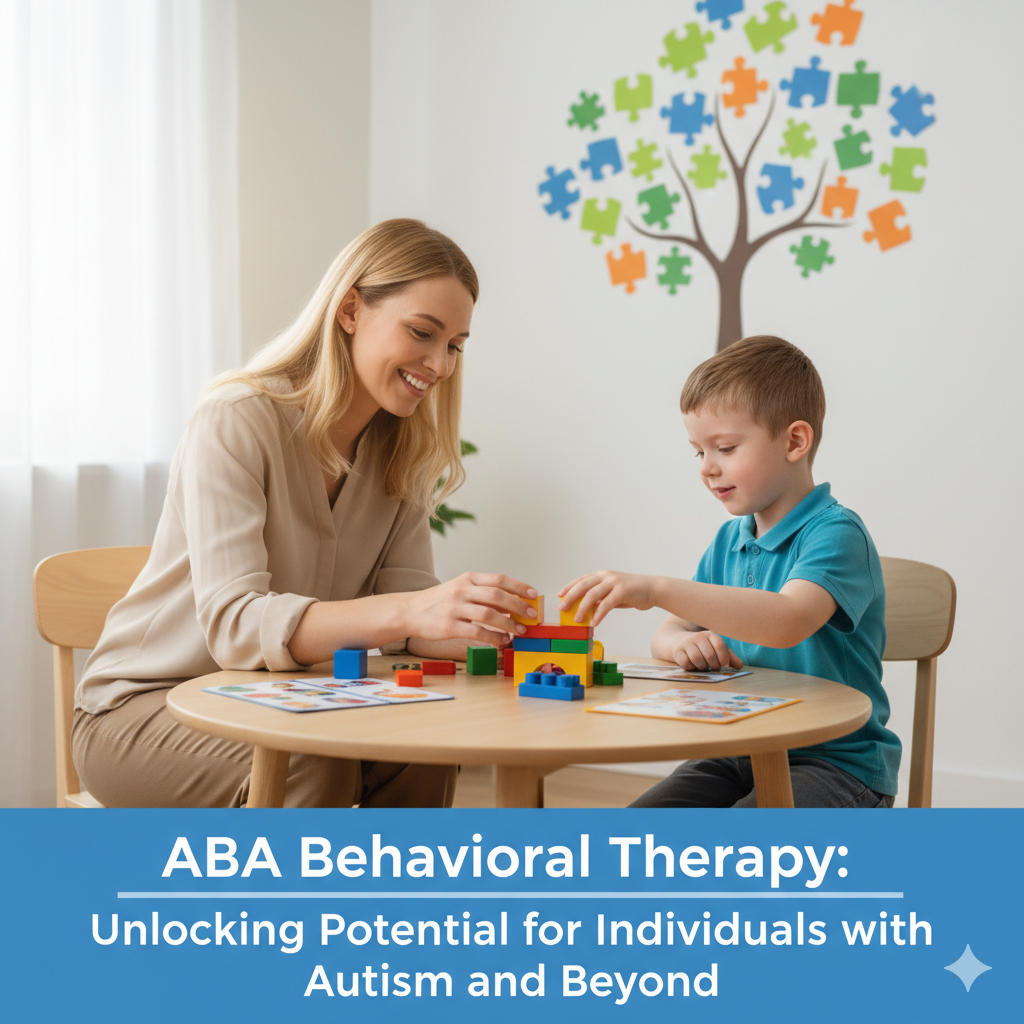
ABA behavioral therapy, or Applied Behavior Analysis, is a scientifically proven approach that’s transforming lives for children and adults with autism spectrum disorder (ASD) and other developmental challenges. Backed by decades of research, this evidence-based method breaks down complex behaviors into manageable steps, using positive reinforcement to encourage positive change. If you’re a parent, educator, or caregiver exploring options in Toronto, Vancouver, or anywhere in Canada, understanding ABA can empower you to make informed decisions.
What Is ABA Behavioral Therapy?
At its core, ABA behavioral therapy focuses on how behaviors work in real-world settings. It applies principles of learning theory—such as rewards, consequences, and repetition—to increase helpful behaviors and decrease harmful ones. Developed in the 1960s by Dr. O. Ivar Lovaas, ABA has evolved into a flexible toolkit used in homes, schools, clinics, and communities.
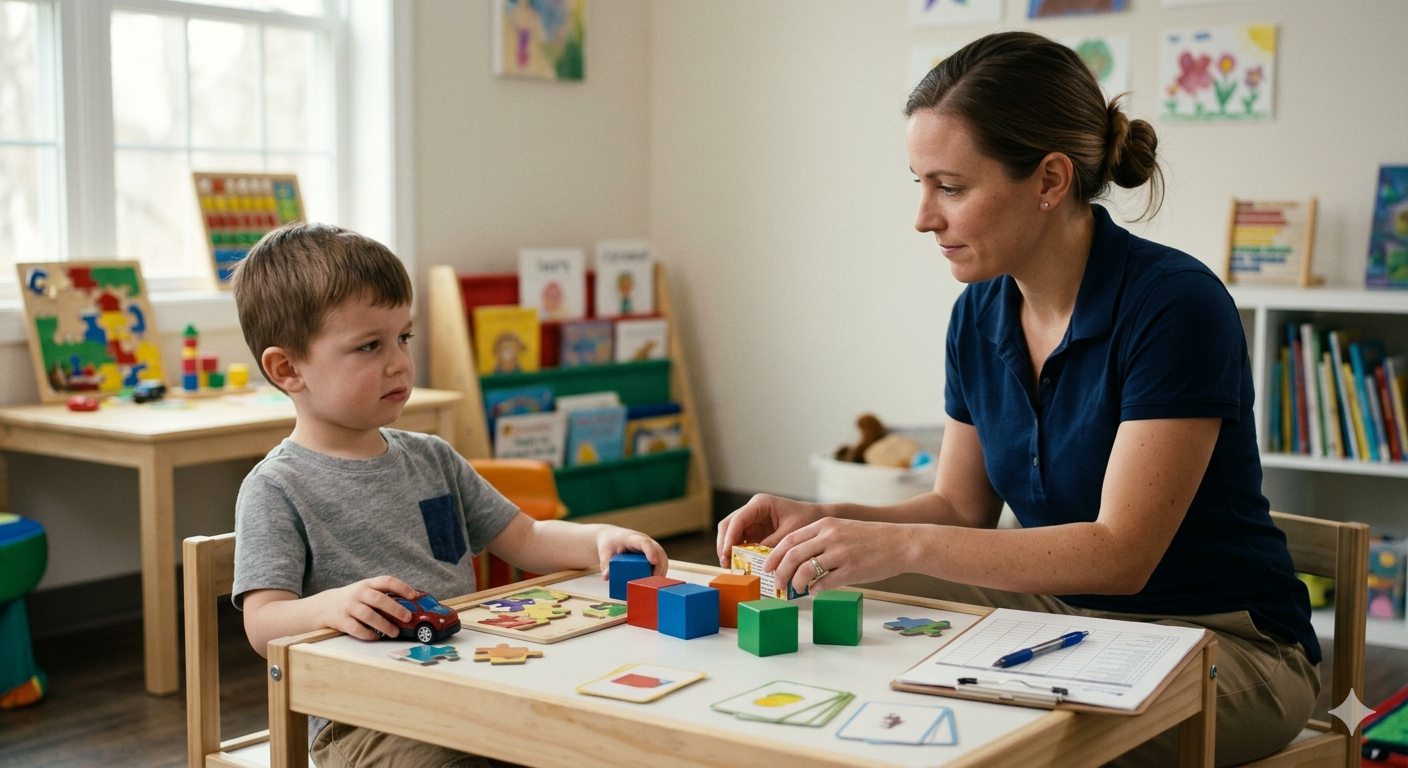
Unlike generic therapies, ABA is highly individualized. Therapists observe the person, identify target behaviors (like improving communication or reducing tantrums), and design a plan. For example, if a child struggles with eye contact, the therapist might reward small glances with praise or a favorite toy, gradually building the skill.
The Science Behind ABA: Why It Works
ABA isn’t just popular—it’s rigorous. The U.S. Food and Drug Administration (FDA), American Academy of Pediatrics, and dozens of studies endorse it as the gold standard for autism treatment. Research shows that intensive ABA (20-40 hours weekly) can lead to significant gains in IQ, language, and adaptive skills.
Key principles include:
-
Positive Reinforcement: Rewarding desired behaviors to make them repeat.
-
Prompting and Fading: Providing gentle hints that fade over time for independence.
-
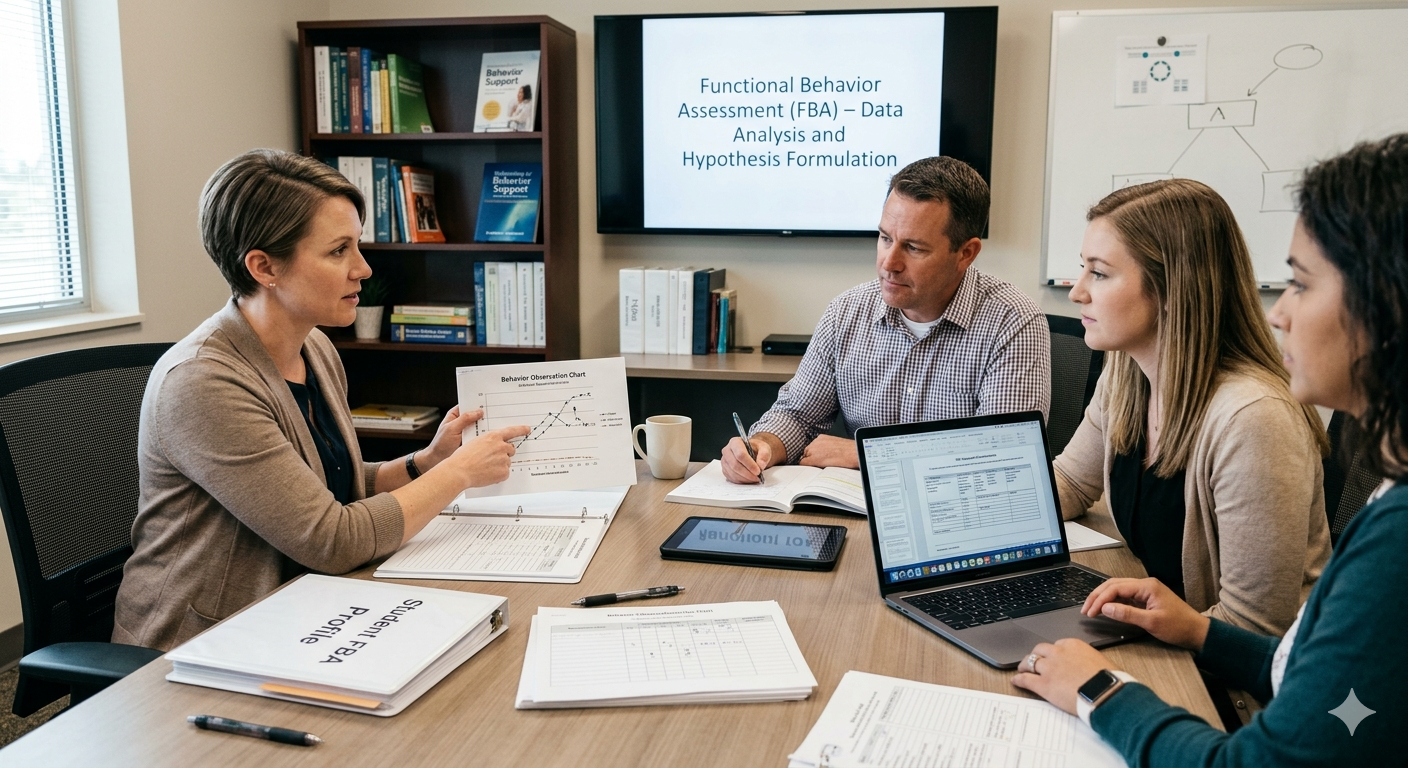
Data-Driven Progress: Therapists track every session with charts and metrics, adjusting as needed.
A landmark study by Lovaas (1987) found 47% of children in intensive ABA achieved normal intellectual and educational functioning, compared to just 2% in control groups. Modern meta-analyses confirm these results, with benefits extending to anxiety, self-injury, and social skills.
Core Techniques in ABA Behavioral Therapy
ABA uses a variety of techniques tailored to the individual’s needs. Here’s a breakdown:
-
Discrete Trial Training (DTT): Structured teaching in short, clear trials. Child hears an instruction (e.g., “Touch red”), responds, and gets immediate feedback.
-
Natural Environment Teaching (NET): Learning during play or daily routines, making it fun and practical.
-
Pivotal Response Training (PRT): Targets “pivotal” behaviors like motivation and self-initiation for broader impact.
-
Verbal Behavior Therapy (VBT): Builds language by teaching functions of words (e.g., requesting vs. labeling).
These methods are customizable. For a non-verbal child, ABA might start with picture exchange; for a teen, it could focus on job skills.
Real-Life Benefits and Success Stories
Parents often see dramatic changes. Consider Sophia, a 5-year-old from Toronto with ASD. Before ABA behavioral therapy, she avoided eye contact and screamed during transitions. After 6 months of home-based sessions, she now greets family members, follows simple instructions, and plays with peers—milestones her mother once thought impossible.
Studies back this up: A 2020 review in Pediatrics showed ABA improves social skills by 30-50% on average. It’s also effective for ADHD, trauma, and even organizational behavior in workplaces.
Getting Started with ABA in Canada
In Canada, ABA is widely available and often government-funded through provincial programs like Ontario’s ABA support or BC’s early intervention services. Look for Board Certified Behavior Analysts (BCBAs)—the global gold standard. Centers like Geneva Centre for Autism or local clinics offer sessions from CAD 100-200 per hour, with coverage via OHIP, private insurance, or subsidies.
Steps to begin:
-
Get a diagnosis from a developmental pediatrician.
-
Consult a certified ABA provider for a functional assessment.
-
Choose intensity: Early intervention (ages 2-5) yields the best results.
-
Involve family—parent training is key for long-term success.
Online platforms and telehealth make ABA accessible even in rural areas.
Addressing Common Myths About ABA
Critics sometimes call ABA “robotic” or overly rigid, but modern ABA emphasizes joy, choice, and neurodiversity. Therapists prioritize the child’s happiness, using play-based methods. Ethical guidelines from the Behavior Analyst Certification Board (BACB) ensure humane, consent-based practice.
The Future of ABA Behavioral Therapy
With tech like apps for data tracking and VR for simulations, ABA is more efficient than ever. Research into personalized genomics could make it even targeted.
ABA behavioral therapy isn’t a cure—it’s a bridge to independence. If your loved one faces behavioral challenges, it’s worth exploring.