


Autism and Cognitive Skills: Understanding Strengths, Challenges, and Strategies
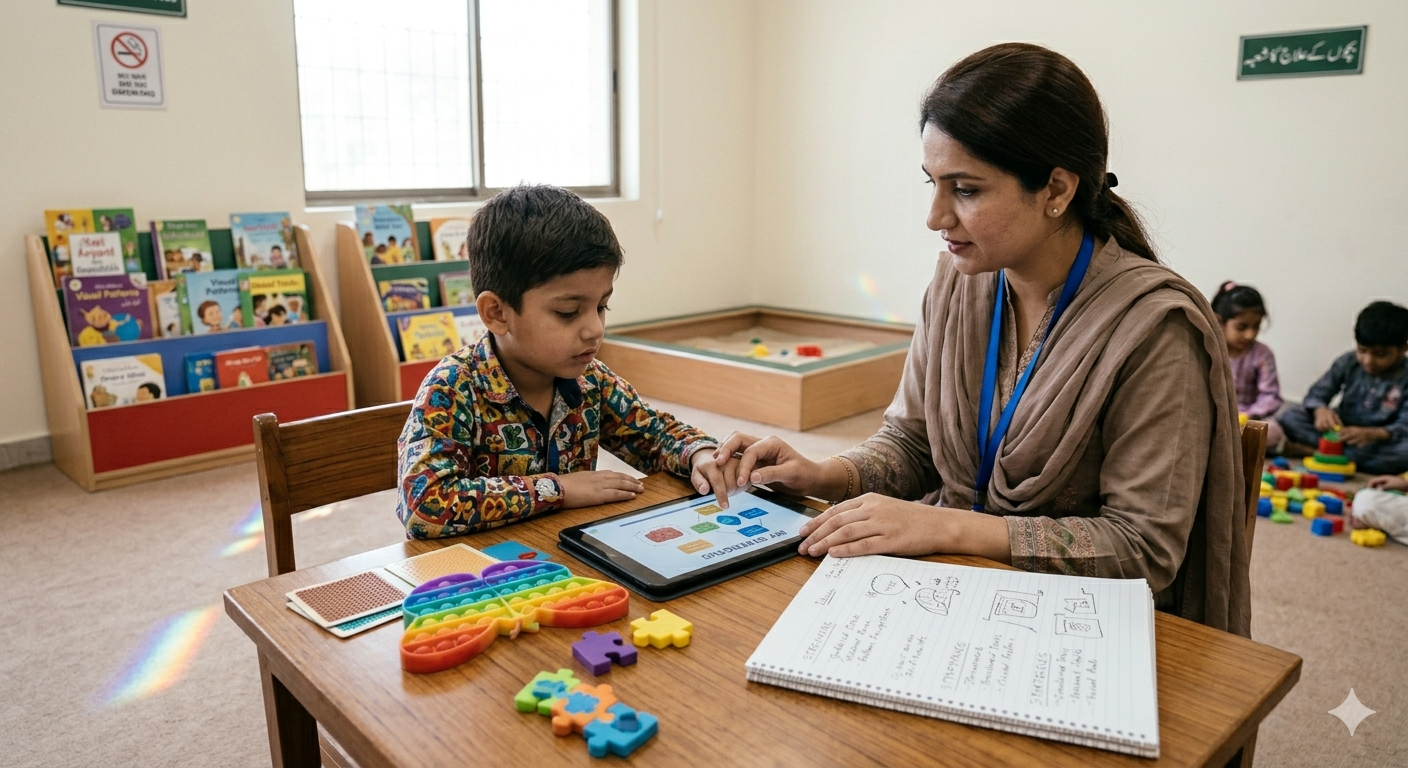
Autism and cognitive skills often intersect in unique ways, shaping how individuals on the autism spectrum process information, solve problems, and interact with the world. While autism spectrum disorder (ASD) can present cognitive hurdles, it also unlocks remarkable strengths like intense focus and pattern recognition. This article explores the relationship between autism and cognitive skills, highlighting key areas of development, evidence-based interventions, and practical strategies to support neurodiverse children and adults.
What Are Cognitive Skills and How Does Autism Affect Them?
Cognitive skills refer to mental processes like memory, attention, problem-solving, executive functioning, and language comprehension. In autism, these skills vary widely—there’s no “one-size-fits-all” profile. Research from the CDC and studies in Journal of Autism and Developmental Disorders shows that about 30-50% of autistic individuals have intellectual disabilities, but many others have average or above-average IQs with uneven cognitive profiles.
For instance, autistic children might excel in visual-spatial tasks (e.g., puzzles or coding) but struggle with abstract reasoning or shifting attention. This “splintered” cognition stems from differences in brain connectivity, particularly in the prefrontal cortex, which handles executive functions like planning and impulse control.
Key Cognitive Domains Impacted by Autism
Autism influences several core cognitive areas. Here’s a breakdown:
-
Executive Functioning: Challenges with organizing tasks, time management, or adapting to changes are common. A child might hyper-focus on a single activity, missing the bigger picture.
-
Memory: Strong rote memory (facts, dates) often shines, but working memory—holding and manipulating info—is weaker, affecting math or following multi-step instructions.
-
Attention and Processing Speed: Sensory sensitivities can overload attention, leading to slower processing. Tools like visual timers help here.
-
Social Cognition: Reading emotions or understanding sarcasm (theory of mind) is tricky, impacting peer interactions.
-
Strengths: Many autistic people thrive in logical thinking, detail-oriented work, or systems-based problem-solving, as seen in fields like tech or engineering.
These patterns aren’t deficits alone—they’re part of neurodiversity, where autistic cognition offers unique advantages.
Evidence-Based Strategies to Boost Cognitive Skills in Autism
Building cognitive skills in autism requires tailored, positive approaches. Early intervention yields the best results, with therapies improving outcomes by up to 50% per longitudinal studies from the NIH.
1. Behavioral and Developmental Therapies
Applied Behavior Analysis (ABA) breaks skills into small steps, reinforcing executive functioning through rewards. Speech therapy targets language-based cognition, while occupational therapy (OT) enhances sensory integration and fine motor skills linked to attention.
2. Educational Tools and Tech
-
Use apps like Proloquo2Go for communication or BrainHQ for memory training.
-
Visual schedules and social stories build planning skills—e.g., a laminated chart for daily routines.
3. Home and School Supports
Parents can foster growth with:
-
Gamification: Board games like Jenga for spatial skills or Rush Hour for problem-solving.
-
Mindfulness: Short breathing exercises reduce overwhelm, improving focus.
-
Strength-Led Learning: Leverage interests (e.g., trains) to teach math concepts.
Individualized Education Programs (IEPs) in U.S. schools ensure accommodations like extended time on tests.
Real-Life Success: Cognitive Strengths in Action
Consider Temple Grandin, an autistic professor whose visual thinking revolutionized livestock facility design. Or tech innovators like those at Silicon Valley firms, where autistic hires excel in pattern detection for AI debugging. These examples show how nurturing autism-related cognitive gifts leads to extraordinary achievements.
When to Seek Professional Help
If cognitive delays affect daily life—like persistent meltdowns over transitions or struggles with basic self-care—consult a developmental pediatrician. Assessments like the ADOS-2 pinpoint needs, guiding therapies. In the U.S., early intervention services (ages 0-3) are often free via state programs.
Moving Forward: Embracing Neurodiversity
Autism and cognitive skills remind us that intelligence is multifaceted. With understanding and support, autistic individuals not only overcome challenges but thrive. Focus on strengths, provide structure, and celebrate progress—empowerment starts there.
Sources: CDC Autism Data, NIH Studies, Autism Speaks Research. Last updated April 2026.