

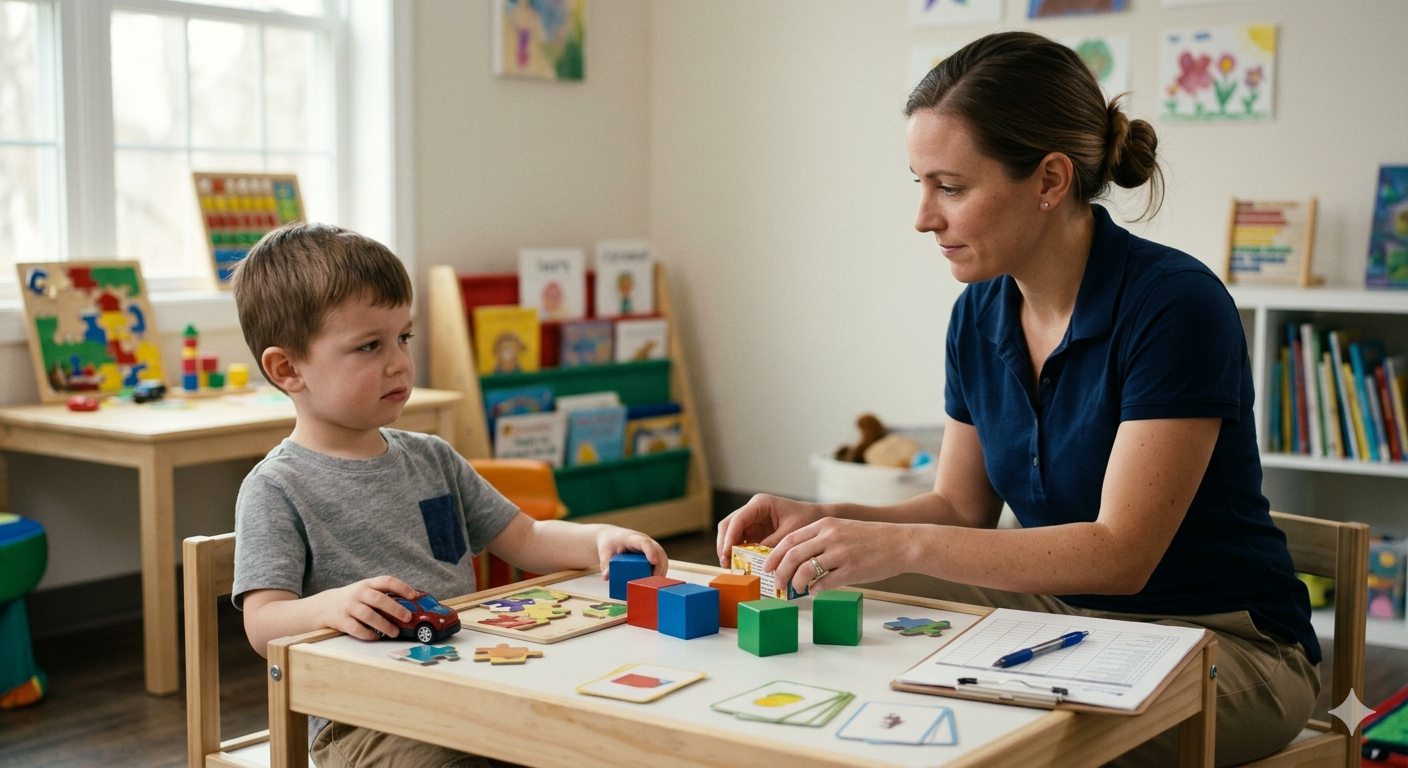
Autism and Developmental Milestones: A Guide for Parents and Caregivers
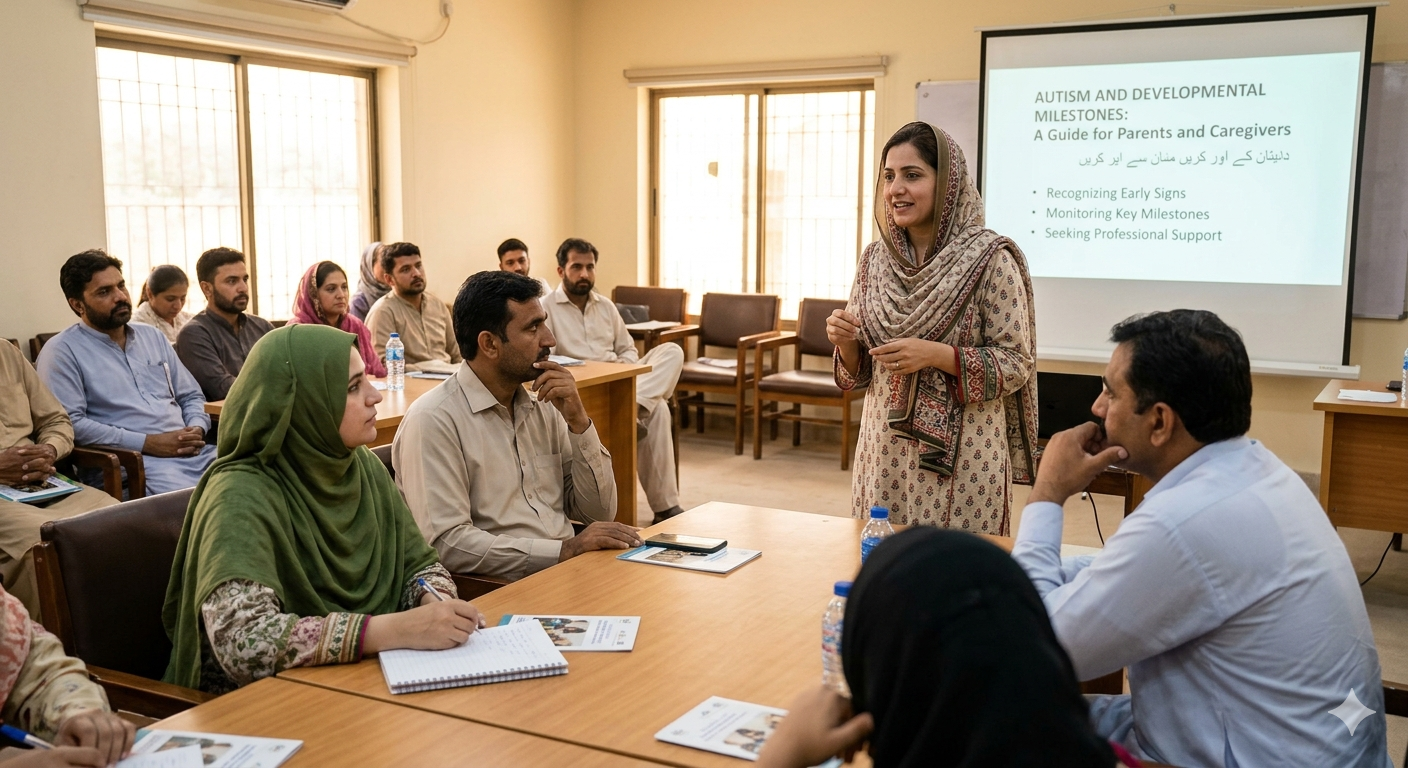
Every child grows at their own pace, but when it comes to autism and developmental milestones, early awareness can make all the difference. Autism Spectrum Disorder (ASD) affects how children communicate, socialize, and process the world around them, often showing subtle signs in key developmental areas. If you’re a parent wondering whether your child’s delays might link to autism, this guide breaks it down simply. We’ll explore typical milestones, red flags, and actionable steps to support your little one—from birth through early childhood.
Understanding autism and developmental milestones empowers you to spot potential issues early, seek therapies like speech or occupational therapy, and celebrate your child’s unique strengths.
What Are Developmental Milestones?
Developmental milestones are skills most children achieve by certain ages, tracked in four main areas: motor skills, language and communication, social-emotional growth, and cognitive abilities. Organizations like the CDC provide checklists based on large-scale data.
For example:
-
By 6 months, babies typically roll over and respond to their name.
-
By 2 years, toddlers often speak 50+ words and play simple pretend games.
Children with autism may hit these autism and developmental milestones later or differently, but not every delay means autism—factors like prematurity or bilingual homes play a role too.
Typical Milestones vs. Autism Red Flags by Age
Spotting differences early is key. Here’s a breakdown of expected milestones alongside common autism indicators, drawn from CDC and Autism Speaks guidelines.
0-12 Months: Building Foundations
Typical milestones:
-
Smiles by 2 months; babbles by 6 months.
-
Reaches for toys and sits with support by 9 months.
Autism red flags:
-
Limited eye contact or no response to name by 9-12 months.
-
Doesn’t smile back or show interest in faces/caregivers.
Real-life example: A baby who fixates on spinning objects but ignores peek-a-boo might need a check-in.
12-24 Months: Words and Connections
Typical milestones:
-
Says 2-3 words by 18 months; points to objects by 14 months.
-
Waves bye-bye and follows simple directions.
Autism red flags in milestones:
-
No single words by 16 months or no two-word phrases by 24 months.
-
Repeats sounds/words (echolalia) without meaning; avoids pretend play.
Parents often notice kids lining up toys obsessively instead of sharing or imitating.
2-5 Years: Social and School Readiness
Typical milestones:
-
Speaks in sentences by 3 years; plays cooperatively by 4.
-
Dresses self and understands emotions like “happy” or “sad.”
Autism red flags:
-
Difficulty holding conversations or understanding others’ feelings.
-
Repetitive behaviors like hand-flapping or intense focus on parts of objects (e.g., train wheels).
By preschool, children with undiagnosed autism might struggle with group activities, missing milestones like turn-taking.
Regression—losing skills like words or social smiles—affects 25% of autistic kids and signals urgency for evaluation.
Why Early Detection Matters for Autism and Developmental Milestones
Research from the American Academy of Pediatrics shows screening at 18-24 months catches 80% of cases. Early intervention boosts outcomes: kids in therapies before age 3 show better language gains and independence.
Therapies like Applied Behavior Analysis (ABA), speech therapy, and occupational therapy target delays directly. For instance, occupational therapists help with sensory sensitivities common in autism, improving motor milestones.
Steps to Take If You’re Concerned
Don’t wait—act proactively.
-
Track Progress: Use free CDC Milestone Tracker apps.
-
Screen Early: Ask your pediatrician for M-CHAT (Modified Checklist for Autism in Toddlers) at well-visits.
-
Seek Evaluation: Contact early intervention services (e.g., via earlyintervention.org in the US) for free assessments.
-
Build Support: Join communities like Autism Speaks or local parent groups for tips.
In the US, laws like IDEA ensure free services for kids under 3. Always consult professionals—self-diagnosis isn’t a substitute.
Celebrating Strengths Amid Delays
Autism brings gifts too: many kids excel in patterns, memory, or art. Focus on neurodiversity—tailor play to interests, like using trains for social stories. With support, children surpass milestones in their way.
Final Thoughts: You’re Not Alone
Navigating autism and developmental milestones can feel overwhelming, but knowledge is your superpower. Early signs don’t define your child—they’re a path to tailored help. Talk to your doctor today, and watch your child thrive.
Have questions about therapies? Check our guides on ABA Therapy Basics or Speech Therapy for Autism. Share your story in the comments!