
Autism and Language Development: Understanding Challenges and Proven Strategies
Autism and language development often go hand-in-hand in early childhood discussions. Children on the autism spectrum may face unique hurdles in acquiring speech and communication skills, but with targeted interventions, many achieve significant progress. This article explores the connection between autism and language development, common delays, and effective therapies to support your child’s journey.
The Link Between Autism and Language Development
Autism Spectrum Disorder (ASD) affects how children process social cues, sensory input, and verbal expression, directly impacting language development. According to the CDC, about 30-50% of children with autism are nonverbal or have minimal speech by age 5, though this varies widely.
Key challenges include:
-
Delayed milestones: Late first words (often after age 2) or echolalia (repeating phrases without meaning).
-
Pragmatic language issues: Difficulty with turn-taking in conversation or understanding idioms.
-
Literal interpretation: Struggling with sarcasm, metaphors, or nonverbal cues like tone.
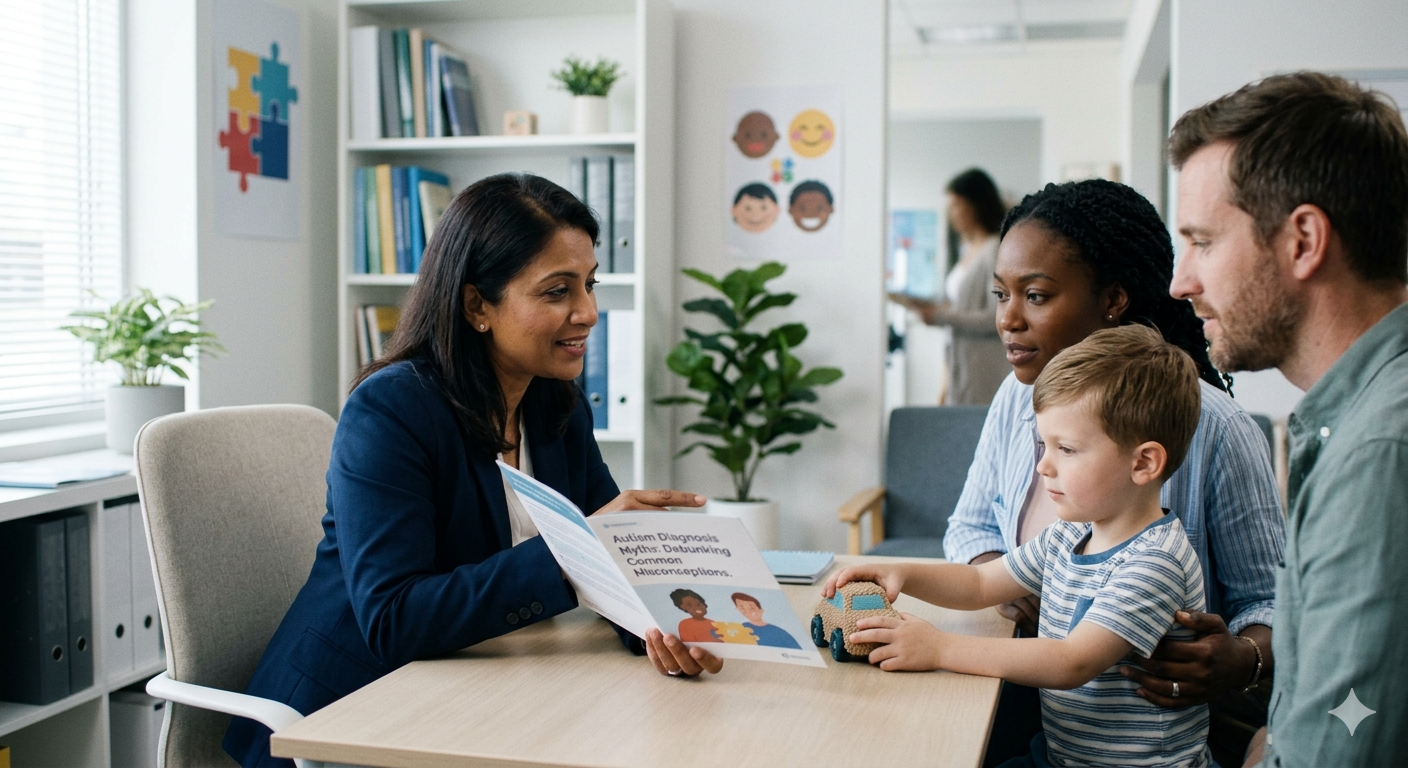
Early signs appear around 12-18 months, such as limited babbling or lack of joint attention (pointing to share interest). Recognizing these empowers parents to seek speech therapy sooner.
Factors Influencing Language Delays in Autism
Genetics, brain wiring, and environment play roles in autism and language development. Neuroimaging studies show differences in the brain’s language centers, like Broca’s area, which handles speech production.
Environmental factors include:
-
Sensory sensitivities that overwhelm during social interactions.
-
Co-occurring conditions like apraxia (motor planning for speech).
-
Limited exposure to rich language models in rigid routines.
Severity levels matter—high-functioning children might excel in vocabulary but falter in social pragmatics.
Evidence-Based Therapies for Boosting Language Skills
Fortunately, interventions can transform autism and language development outcomes. Start with a multidisciplinary team: speech-language pathologists (SLPs), occupational therapists, and ABA specialists.
Speech Therapy Techniques
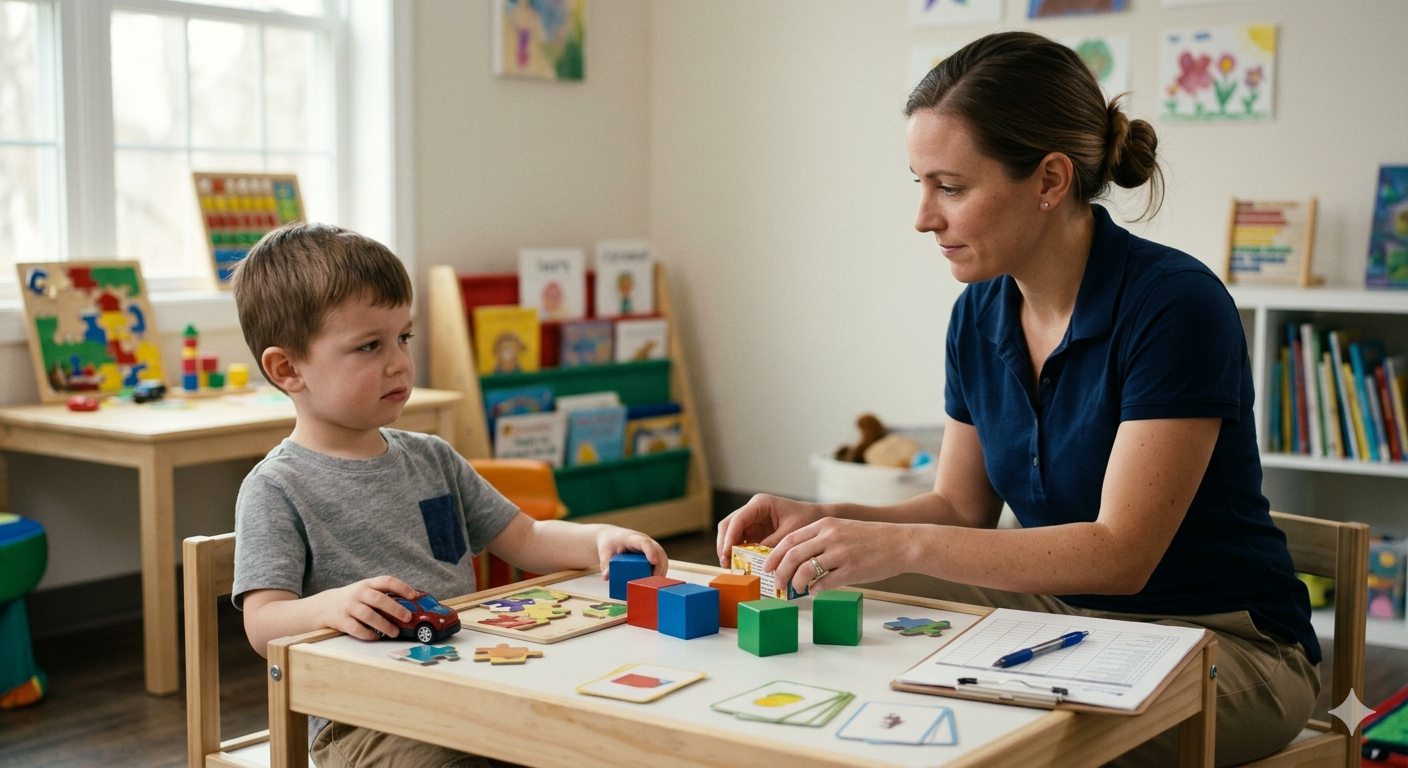
SLPs use play-based methods like:
-
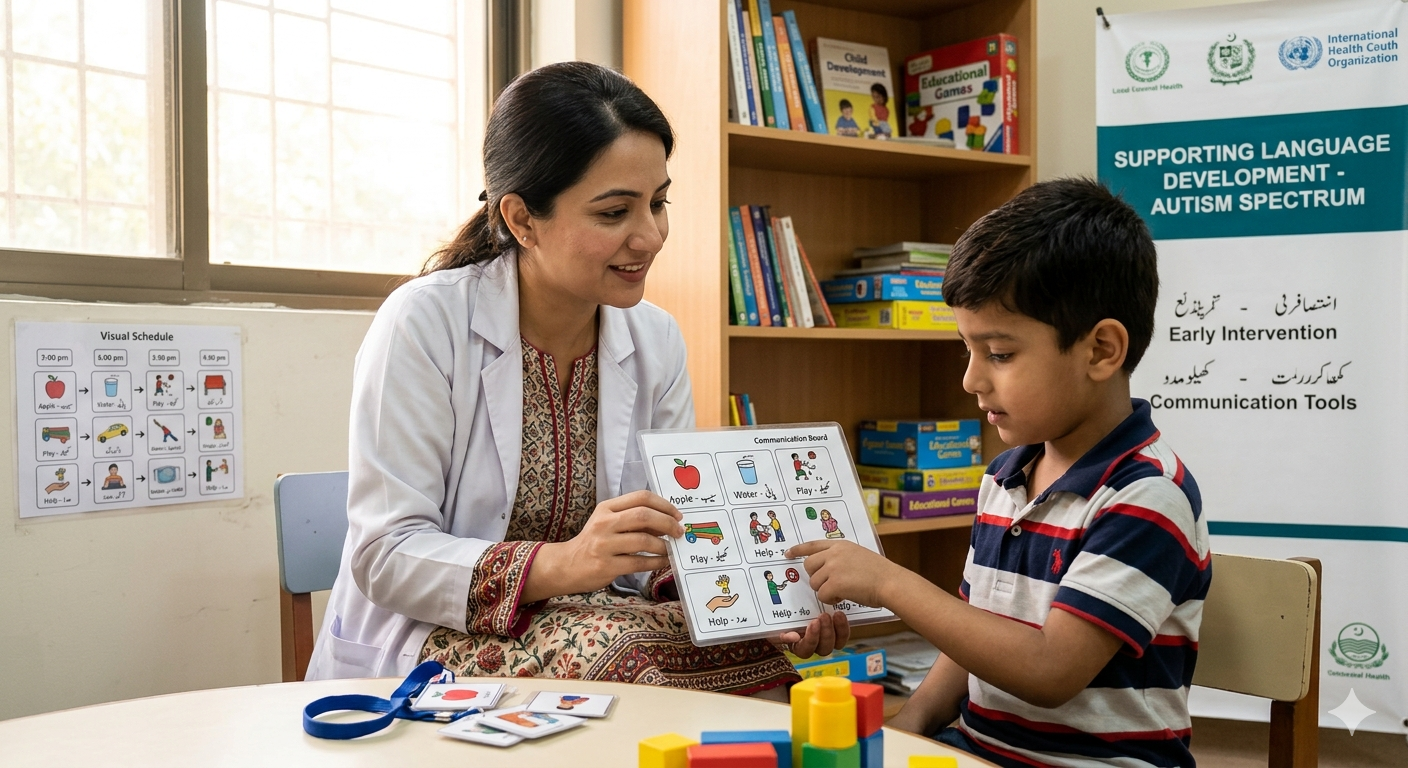
Picture Exchange Communication System (PECS): Kids trade images for needs, building to sentences.
-
Augmentative and Alternative Communication (AAC): Apps like Proloquo2Go for nonverbal children.
ABA and Behavioral Strategies
Applied Behavior Analysis (ABA) breaks language into steps:
-
Discrete Trial Training (DTT) for labeling objects.
-
Natural Environment Teaching (NET) during play for spontaneous speech.
Studies from the Journal of Autism and Developmental Disorders show ABA boosts expressive language by 20-30% in 6-12 months.
Parent-Led Tips
-
Narrate daily routines: “We’re putting on red shoes.”
-
Use visuals: Schedules with pictures reduce frustration.
-
Model expanded phrases: If child says “juice,” reply “I want juice, please.”
Real-Life Success Stories
Consider 4-year-old Alex from California, diagnosed with autism at 2. Nonverbal initially, he used PECS and ABA, speaking full sentences by kindergarten. Or Mia in Texas, who progressed via Hanen Program’s “More Than Words,” improving social chats.
These examples highlight that with consistency, most children make gains—80% develop functional speech with early intervention, per NIH data.
When to Seek Professional Help
Monitor red flags like no single words by 16 months or regression. Contact your pediatrician for an ASD screening, then pursue Early Intervention services (free in the US until age 3). In the UK or Canada, NHS or provincial programs offer similar support.
Moving Forward: Hopeful Outlook
Autism and language development present challenges, but they’re not insurmountable. Early, tailored therapies unlock communication potential, fostering independence and connection. Consult professionals for personalized plans—progress is possible at any stage.
Sources: CDC, NIH, Autism Speaks. Last updated April 2026.