


Autism and Learning Disabilities: Understanding the Connection and Support Strategies
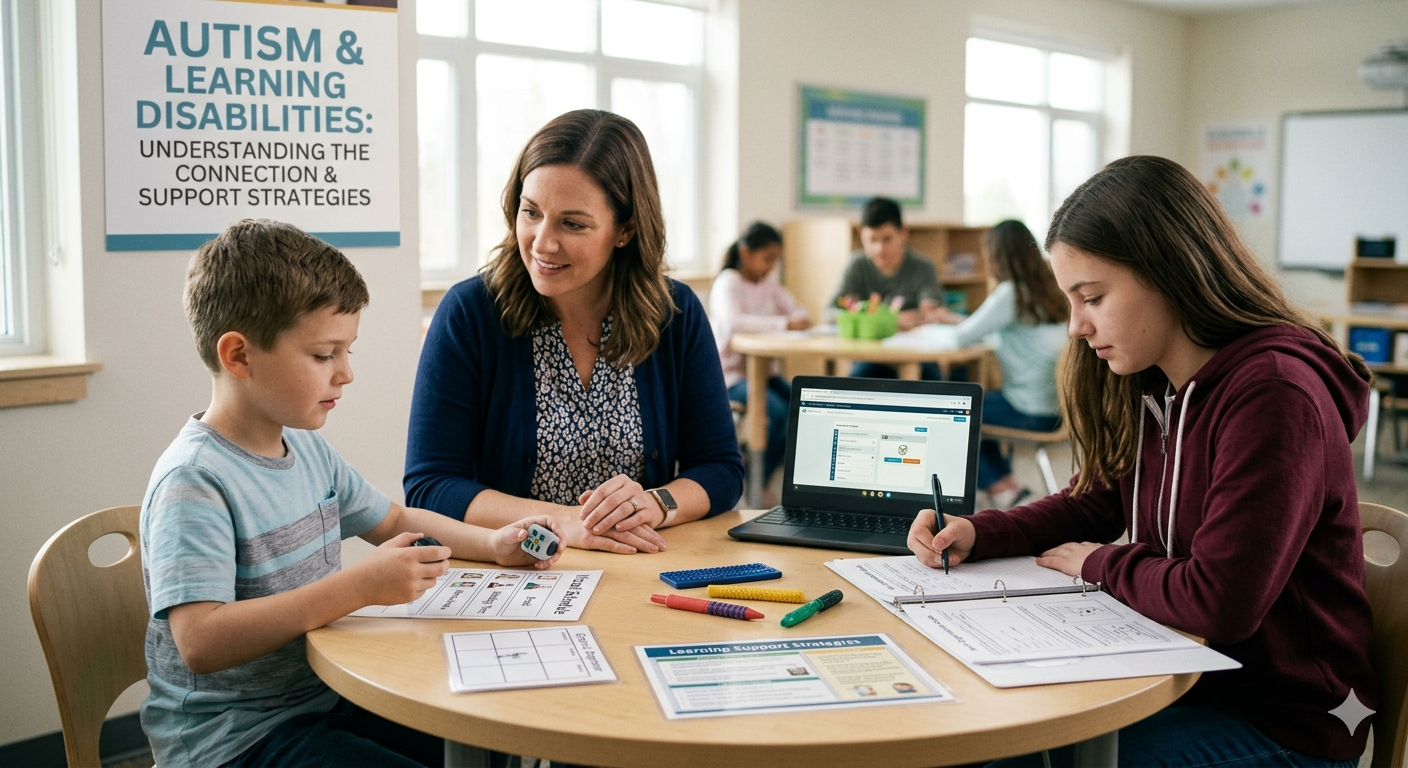
Autism Spectrum Disorder (ASD) and learning disabilities often intersect, creating unique challenges for children and adults navigating education and daily life. While not every person with autism has a learning disability—and vice versa—the overlap affects millions. In the U.S., about 1 in 36 children has ASD, and up to 40% of them also experience specific learning disabilities, according to the CDC. This article explores the link between autism and learning disabilities, common signs, and effective strategies for support.
What Are Autism and Learning Disabilities?
Autism Spectrum Disorder is a neurodevelopmental condition characterized by differences in social communication, sensory processing, and repetitive behaviors. It exists on a spectrum, meaning symptoms vary widely—from mild social awkwardness to significant support needs.
Learning disabilities (LDs), on the other hand, are neurologically based disorders that interfere with skills like reading, writing, math, or processing information, despite average or above-average intelligence. Common types include dyslexia (reading challenges), dysgraphia (writing difficulties), and dyscalculia (math struggles).
The connection? Both stem from brain wiring differences. Research from the National Institutes of Health (NIH) shows that genetic factors and early brain development play roles, often leading to co-occurrence.
How Autism and Learning Disabilities Overlap
Autism and learning disabilities frequently co-exist because they share underlying neurological traits:
-
Executive Function Challenges: People with autism may struggle with planning, organization, and focus—skills also impaired in LDs like ADHD-related processing issues.
-
Sensory and Language Processing: Sensory sensitivities in autism can mimic or exacerbate LD symptoms, such as difficulty following verbal instructions (auditory processing disorder).
-
Social-Academic Gaps: A child with autism might excel in visual learning but falter in group reading activities due to social discomfort, compounding LD effects.
For example, a student with both might read fluently but misinterpret social cues in stories, leading to comprehension issues. Studies in the Journal of Autism and Developmental Disorders highlight that 30-50% of autistic individuals have dyslexia or similar LDs.
Recognizing Signs in Children and Adults
Early identification is key. Watch for these red flags:
-
In Children:
-
Delays in reading/writing despite strong verbal skills (or vice versa).
-
Repetitive behaviors interfering with homework focus.
-
Sensory overload during noisy classroom activities.
-
-
In Adults:
-
Persistent math errors in daily tasks like budgeting.
-
Difficulty with written communication in work emails.
-
Anxiety around new learning environments.
-
If you spot these, consult a specialist for assessments like IQ tests, language evaluations, and autism screenings.
Effective Support and Intervention Strategies
Tailored interventions make a big difference. Here’s how to help:
-
Individualized Education Programs (IEPs): In U.S. schools, IEPs under IDEA law provide customized plans, including speech therapy for language-based LDs and behavioral supports for autism.
-
Therapies:
-
Occupational therapy (OT) builds fine motor skills for writing.
-
Speech-language therapy addresses communication gaps.
-
Applied Behavior Analysis (ABA) reinforces learning routines.
-
-
Assistive Tech: Tools like text-to-speech apps (e.g., Read&Write) or visual timers help bridge gaps.
-
Home Strategies: Break tasks into steps, use visual schedules, and create quiet learning zones.
Success stories abound—a teen with autism and learning disabilities might thrive with multisensory math apps, turning frustration into confidence.
Debunking Myths and Embracing Strengths
Myth: Autism always means intellectual disability. Fact: Many with autism have average-to-high IQs but specific LD hurdles.
People with autism and learning disabilities often shine in areas like pattern recognition or hyper-focus. Celebrities like Elon Musk (who has discussed his Asperger’s) demonstrate how accommodations unlock potential.
Moving Forward: Resources for Families
Don’t navigate alone. Key U.S. resources include:
-
Autism Speaks (autismspeaks.org) for toolkits.
-
Understood.org for LD strategies.
-
Local clinics for evaluations via early intervention programs.
With early support, individuals with autism and learning disabilities lead fulfilling lives. Share your experiences in the comments—what strategies have worked for you?