


Autism and Pregnancy Factors: Key Insights for Expectant Mothers
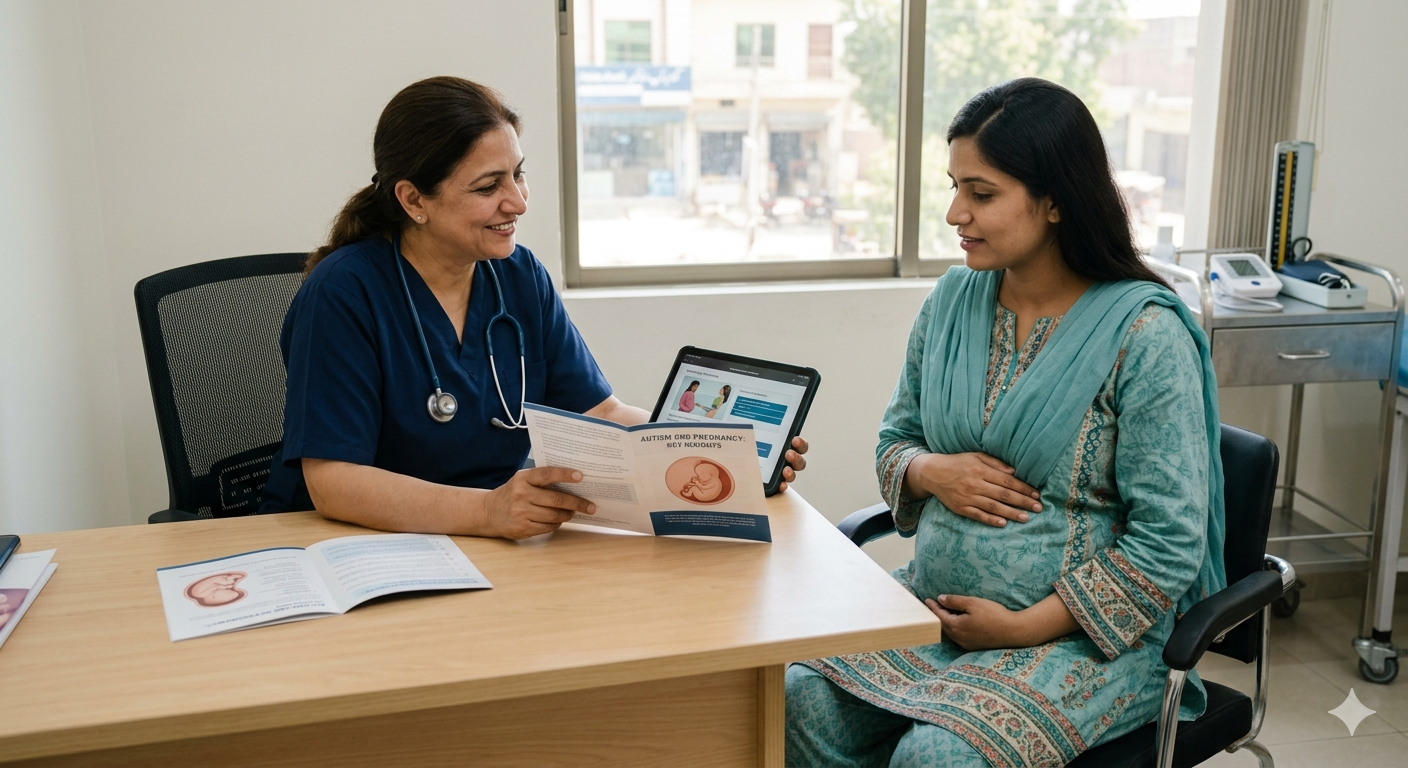
Autism spectrum disorder (ASD) arises from a complex mix of genetic and environmental influences, with several prenatal factors during pregnancy linked to elevated risk. Research highlights specific maternal health conditions, exposures, and complications that may contribute to autism development in children.
Established Risk Factors
Maternal gestational diabetes doubles the risk of autism, as confirmed in comprehensive meta-analyses. Bleeding during pregnancy raises risk by 81%, while any prenatal medication use correlates with a 46% increase.
Advanced parental age, maternal obesity, and infections also emerge as significant contributors, often through inflammation or immune dysregulation.
Protective Measures
Adequate prenatal vitamins, especially folic acid, magnesium, and iron, link to lower autism likelihood when mothers follow dietary guidelines like those in Australia. Managing stress and avoiding obesity before conception further supports healthy fetal brain development.
Pregnancy Complications
Preeclampsia, preterm birth, and cesarean deliveries show higher rates among mothers of autistic children, alongside low birth weight and neonatal interventions like phototherapy. Perinatal complications before or during labor can elevate risk by 10-44%.
Emerging Research Areas
Maternal use of SSRIs, antibiotics, or exposure to tobacco smoke and vinyl floors associates with higher odds. The maternal immune activation hypothesis ties these to altered neurodevelopment via cytokines and oxidative stress.
Recommendations for Prenatal Care
Consult healthcare providers early to monitor diabetes, bleeding, and medication needs. Prioritize nutrition, stress reduction, and screening for at-risk pregnancies to enable early intervention. Individualized care weighs benefits against psychotropic medication risks.