


Autism and Routine Importance: Why Structure is a Game-Changer
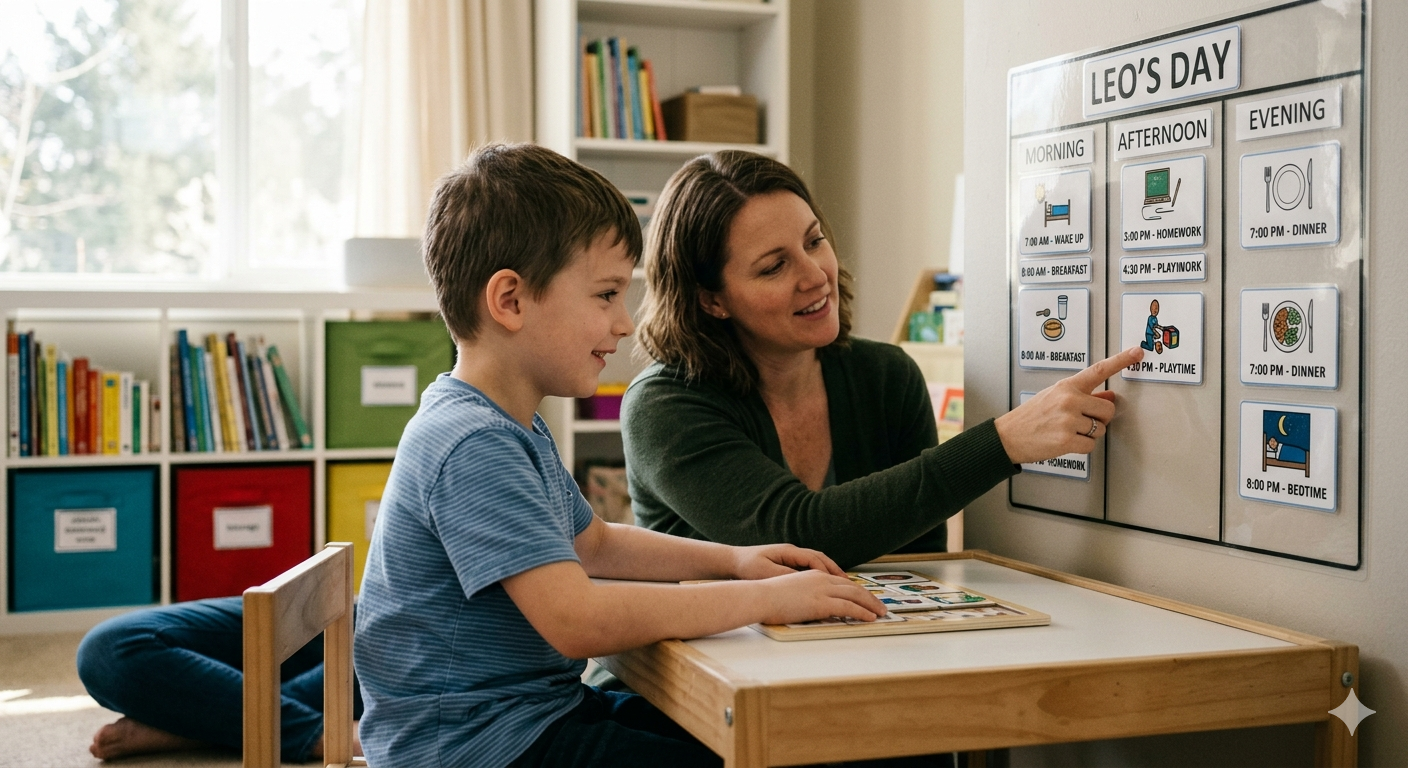
For children and adults with autism spectrum disorder (ASD), predictability isn’t just nice—it’s essential. The autism and routine importance can’t be overstated: consistent daily structures reduce anxiety, build skills, and foster independence. Backed by experts from organizations like the Autism Society and studies in the Journal of Autism and Developmental Disorders, routines act as a lifeline in a world that often feels chaotic.
Understanding Autism and Routine Importance
Autism affects how individuals process sensory input, social cues, and change. About 1 in 36 children in the U.S. has ASD, per CDC data. Sudden shifts—like a canceled playdate or rearranged furniture—can trigger meltdowns or shutdowns due to executive functioning challenges.
Routines provide a roadmap. They leverage the autistic brain’s strength in pattern recognition, turning potential stress into security. A 2022 study from the National Institutes of Health found that structured environments lowered cortisol levels (stress hormone) by up to 30% in autistic kids.
Key Benefits of Routines for Autism
Routines offer tangible wins across development stages. Here’s why autism and routine importance resonates with families and therapists:
-
Reduces Anxiety and Meltdowns: Predictable sequences signal safety, minimizing overwhelm. Visual schedules, like those used in ABA therapy, cut behavioral incidents by 40-60%, according to research from the Behavior Analyst Certification Board.
-
Builds Independence: Step-by-step routines teach self-care, from brushing teeth to homework. Over time, this empowers kids to handle transitions solo, vital for school or work.
-
Enhances Learning and Focus: Repetition strengthens neural pathways. In occupational therapy, routines integrate sensory activities, improving attention spans noted in a Pediatrics journal review.
-
Supports Communication: Non-verbal autistic individuals thrive with picture-based routines, bridging gaps where words fall short.
-
Improves Sleep and Health: Bedtime rituals regulate circadian rhythms, combating common insomnia in ASD.
Practical Ways to Build Routines
Start small and adapt to your child’s needs. Collaborate with speech therapists or behavioral specialists for personalized plans.
-
Create Visual Aids: Use apps like Choiceworks or printed charts showing “morning routine: wake up, eat breakfast, get dressed.”
-
Incorporate Transitions: Pair changes with timers or songs—”five minutes until bath time”—to ease shifts.
-
Family Buy-In: Involve siblings and parents. A consistent dinner routine, like “set table, eat, clean up,” models teamwork.
-
Flex Within Structure: Allow “wiggle room” for preferred activities, preventing rigidity from backfiring.
-
Track Progress: Apps like Autism Tracker log what works, refining routines over weeks.
Real-life example: Sarah, a mom in California, shared on Autism Speaks forums how a color-coded weekly schedule transformed her son’s school mornings from battles to breezes.
Overcoming Common Routine Challenges
Resistance happens—autistic individuals may fixate on “perfect” execution. If a routine breaks, validate feelings (“I see you’re upset”) then gently redirect. Consult a physical therapist if sensory issues (e.g., clothing textures) disrupt flow.
For adults with autism, workplace routines like fixed checklists boost employment success rates, per Vocational Rehabilitation studies.
Final Thoughts on Autism and Routine Importance
Embracing autism and routine importance unlocks calmer days and brighter futures. It’s not about rigidity but empowerment. If you’re navigating ASD, start with one routine today—small changes yield big results.