

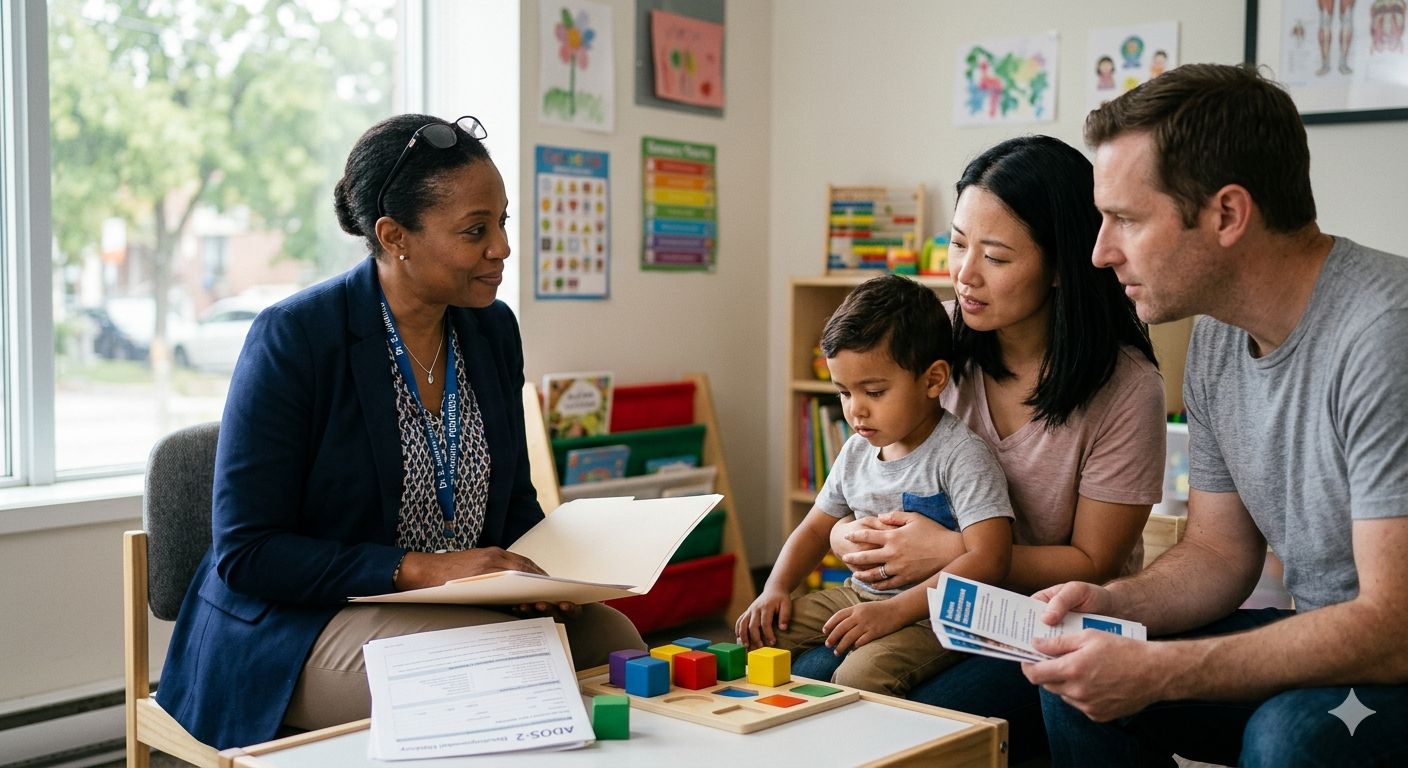
Autism and School Screening: Why Early Detection in Schools Saves Lives

In today’s fast-paced classrooms, spotting signs of autism early can transform a child’s educational journey. Autism and school screening programs are gaining momentum as essential tools for identifying autism spectrum disorder (ASD) in young students. With 1 in 36 children diagnosed with autism in the U.S. according to the CDC’s 2023 data, schools stand at the frontline of early intervention. This article explores what autism and school screening entails, its proven benefits, and how educators can implement it effectively.
Understanding Autism Spectrum Disorder
Autism is a neurodevelopmental condition characterized by challenges in social communication, repetitive behaviors, and sensory sensitivities. Symptoms often emerge by age 2-3, but many children slip through the cracks without routine checks.
Schools are ideal screening hubs because kids spend hours there daily, interacting in structured environments. Unlike clinical settings, autism and school screening catches subtle cues—like difficulty maintaining eye contact during group activities or intense focus on specific objects—that parents or pediatricians might miss.
Early signs include:
-
Delayed speech or echolalia (repeating phrases).
-
Avoidance of peer play.
-
Unusual reactions to sounds, lights, or textures.
Routine screening bridges the gap, ensuring no child is overlooked.
The Critical Role of School-Based Screening
Autism and school screening isn’t just a buzzword—it’s backed by science. A 2022 study in JAMA Pediatrics found that universal screening in schools increased ASD identification by 40% compared to traditional pediatric referrals. Why? Schools observe children in real-world social settings, revealing behaviors that don’t show up in brief doctor visits.
In the U.S., initiatives like the American Academy of Pediatrics (AAP) recommend ASD screening at 18 and 24 months, but compliance lags. Schools fill this void with tools like the Modified Checklist for Autism in Toddlers (M-CHAT) or the Social Communication Questionnaire (SCQ), administered quickly by teachers or nurses.
Benefits extend beyond diagnosis:
-
Faster access to therapies: Early intervention, such as ABA or speech therapy, boosts IQ by up to 18 points per research from the NIH.
-
Reduced long-term costs: Undiagnosed autism leads to higher special education expenses—up to $2.4 million per person lifetime, per Autism Speaks.
-
Improved outcomes: Screened kids show better academic performance and social skills by middle school.
Imagine a kindergartener struggling silently; autism and school screening turns that struggle into support.
How School Screening Works: A Step-by-Step Guide
Implementing autism and school screening is straightforward and low-cost. Here’s a practical roadmap for U.S. public schools:
-
Train Staff: Use free online modules from the CDC’s “Learn the Signs. Act Early.” program. Teachers learn to spot red flags in 1-2 hours.
-
Choose Tools:
-
Administer Routinely: Integrate into kindergarten entry or annual health checks. Parental consent is key under FERPA guidelines.
-
Follow Up: Positive screens trigger referrals to specialists. Schools partner with local clinics for free evaluations via IDEA funding.
-
Track Progress: Use data dashboards to monitor district-wide trends and refine programs.
States like Florida and California lead with mandated screenings, reporting 25% more early diagnoses.
Overcoming Common Challenges
Resistance to autism and school screening often stems from myths: “It’s too time-consuming” or “It stigmatizes kids.” Reality check—screenings take under 15 minutes per child, and positive results lead to tailored IEPs (Individualized Education Programs) that benefit everyone.
Privacy concerns? HIPAA-compliant protocols protect data. Equity issues? Tools are culturally adapted, with Spanish versions available.
For rural districts, telehealth integrations make specialist referrals seamless.
Real-World Success Stories
In New York City’s public schools, a 2024 pilot of universal autism and school screening identified 150 previously undiagnosed students. One, 6-year-old Mia, received occupational therapy and now thrives in mainstream classes. Her principal notes: “Screening empowered us to support, not just teach.”
Similarly, Texas districts using the SCQ saw graduation rates for autistic students rise 15%, proving long-term ROI.
Policy and Future Directions
Federal pushes like the Autism CARES Act fund school programs, with $200 million allocated in 2025. Look for AI-assisted tools emerging—apps that analyze video of playground interactions for early flags.
Parents, advocate locally: Join PTA efforts or contact your school board. Educators, start small—pilot in one grade.
Empowering the Next Generation
Autism and school screening isn’t optional—it’s a game-changer for millions. By embedding it in schools, we unlock potential, foster inclusion, and build brighter futures. Early detection today means independence tomorrow.
Ready to act? Download free CDC resources or consult your district’s special education coordinator.
Sources: CDC ADDM Network (2023), JAMA Pediatrics (2022), NIH Early Intervention Studies. Last updated April 2026.