
Autism and Social Skills: Proven Strategies to Help Your Child Thrive
Navigating autism and social skills can feel overwhelming for parents and caregivers. Children on the autism spectrum often face unique challenges in understanding social cues, making friends, or engaging in everyday interactions. The good news? With targeted interventions like Applied Behavior Analysis (ABA) therapy and speech therapy, significant progress is possible. This article explores practical strategies to build social skills in autistic children, backed by expert recommendations.
Why Social Skills Matter for Children with Autism
Social skills form the foundation of relationships, school success, and emotional well-being. For kids with autism spectrum disorder (ASD), differences in brain processing can make eye contact, turn-taking, or reading facial expressions tricky. According to the Centers for Disease Control and Prevention (CDC), about 1 in 36 children in the U.S. has ASD, and early social skill development can reduce isolation and boost independence.
Without support, these challenges may lead to anxiety or bullying. But therapies focusing on autism and social skills—such as structured playgroups or role-playing—help bridge the gap, fostering confidence and connection.
Key Challenges in Autism and Social Skills
Autistic children might struggle with:
-
Nonverbal cues: Missing sarcasm, body language, or tone.
-
Conversation skills: Difficulty starting or maintaining talks.
-
Emotional regulation: Overwhelmed responses in group settings.
-
Peer interactions: Sharing toys or understanding group rules.
These aren’t due to disinterest but neurological differences. Recognizing them is the first step toward effective support.
Evidence-Based Strategies to Build Social Skills
1. Start with ABA Therapy
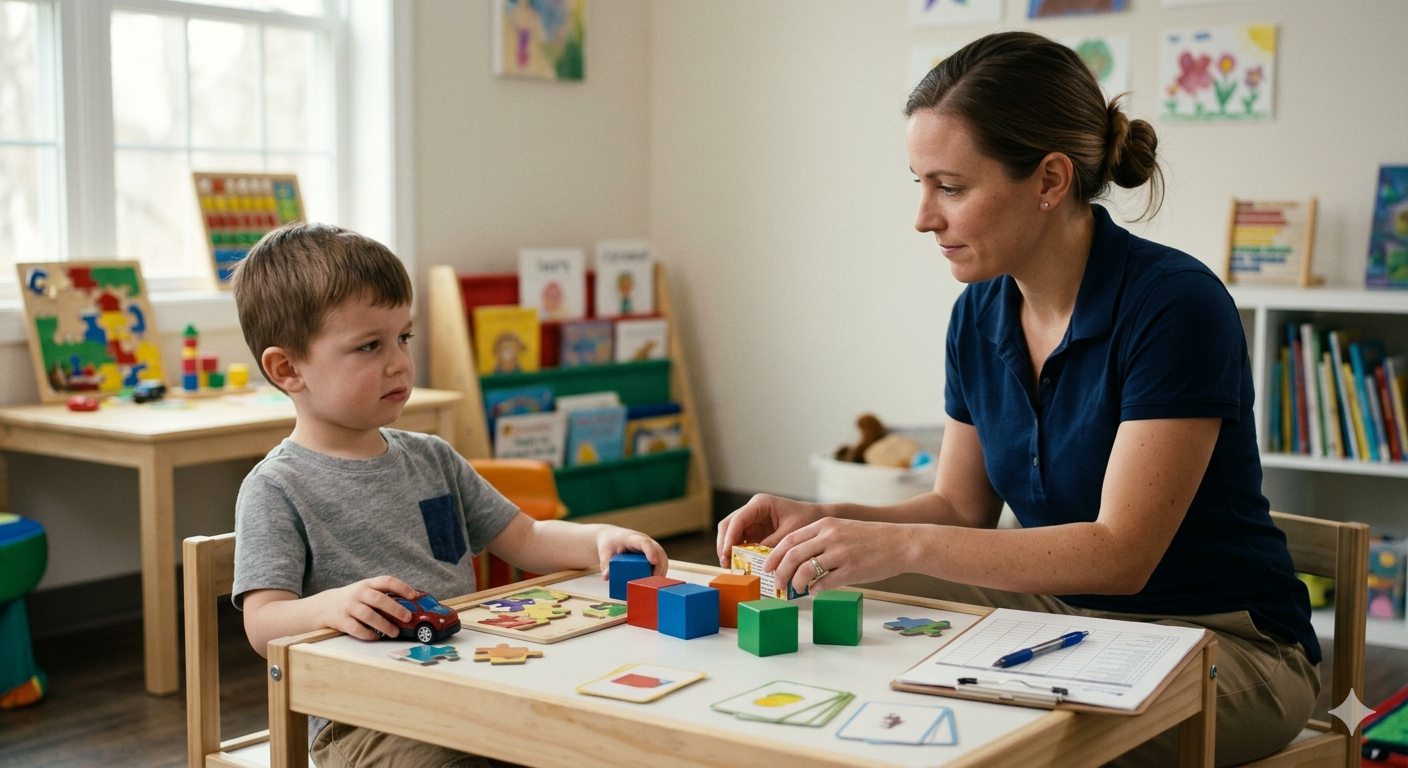
Applied Behavior Analysis (ABA) breaks social skills into small, teachable steps. Therapists use positive reinforcement—like praise or rewards—to encourage behaviors such as greeting peers. A study in the Journal of Autism and Developmental Disorders showed ABA improved social initiations by 40% in young children.
Tip: Practice at home with “social stories”—short narratives describing scenarios like “What to do at recess.”
2. Incorporate Speech and Language Therapy
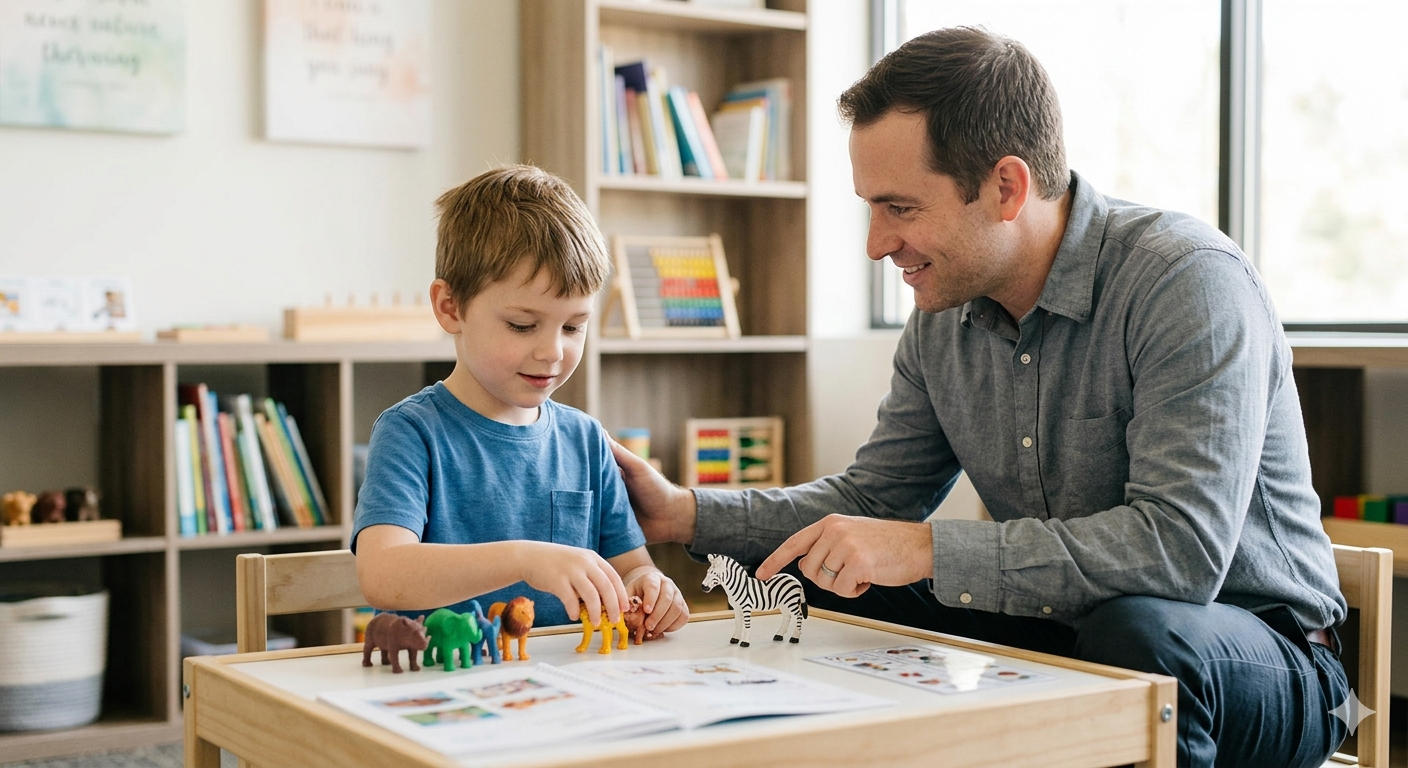
Speech therapists target pragmatic language, the “social use” of communication. Activities include practicing compliments or asking questions. Tools like picture exchange systems (PECS) help nonverbal kids participate.
Example: Role-play a birthday party, teaching phrases like “Happy birthday! Can I play too?”
3. Use Visual Supports and Social Scripts
Visual aids, like emotion charts or schedule boards, clarify expectations. Social scripts provide ready-made phrases: “Hi, want to play tag?”
Pair this with occupational therapy (OT) for sensory integration, as overload can hinder social engagement.
4. Encourage Structured Playdates and Groups
Small, supervised playdates build real-world practice. Programs like LEGO therapy use shared interests to teach collaboration—autistic kids often excel here.
Pro Tip: In Western school settings, like U.S. or U.K. IEPs (Individualized Education Programs), request peer buddy systems for recess.
5. Leverage Technology and Apps
Apps like Model Me Going Places or Proloquo2Go offer video modeling of social scenarios. They’re engaging and portable for on-the-go learning.
Real-Life Success Stories
Consider 8-year-old Alex from California, who struggled with autism and social skills until ABA and speech therapy. Weekly sessions helped him join soccer teams, turning shy glances into high-fives. Parents report similar wins: improved friendships and fewer meltdowns.
When to Seek Professional Help
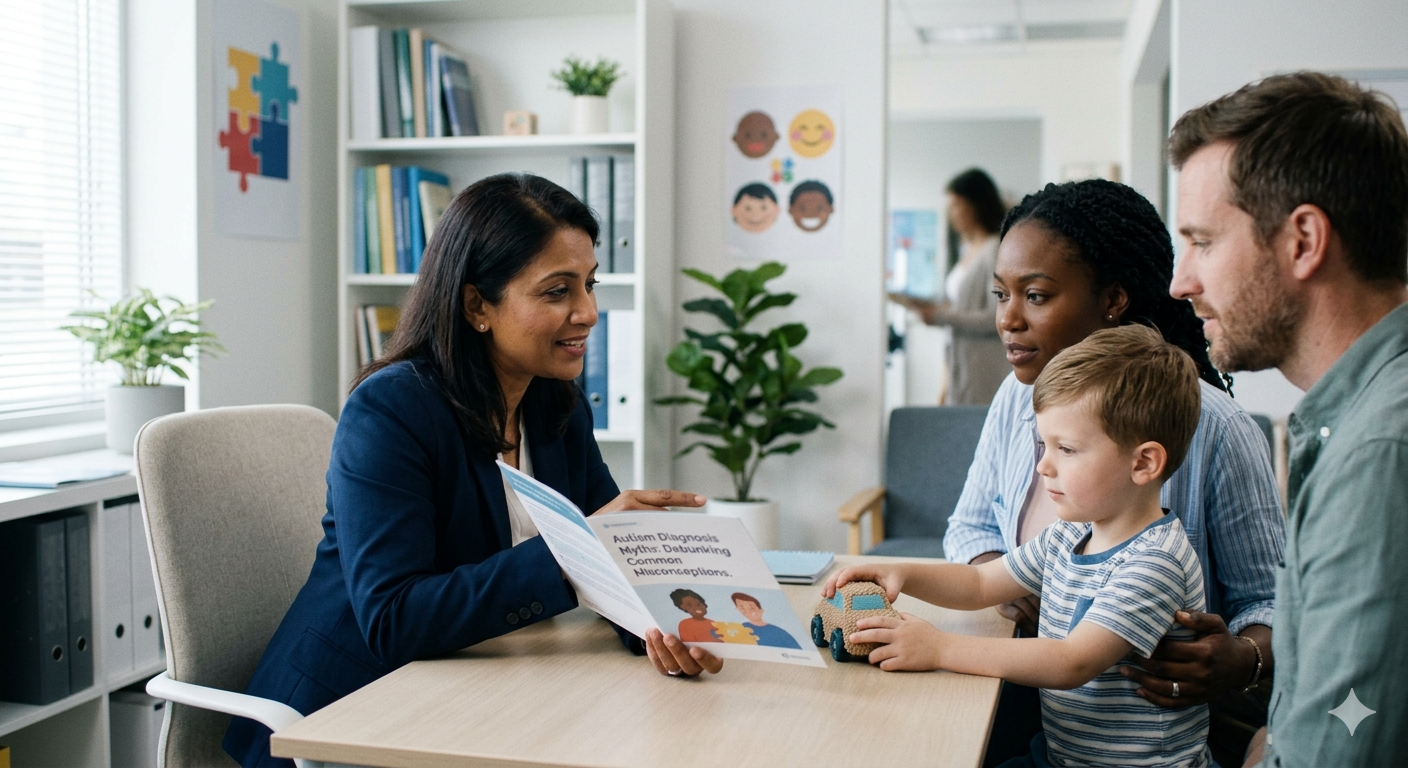
If your child avoids eye contact, repeats questions, or seems distressed in groups, consult a developmental pediatrician. Early intervention (before age 3) yields the best outcomes, per the American Academy of Pediatrics. Combine therapies for a holistic approach—ABA for behavior, OT for sensory needs, and speech for communication.
Empowering Your Child’s Social Future
Mastering autism and social skills isn’t about “fixing” a child—it’s about equipping them with tools for a fulfilling life. Consistency, patience, and professional guidance make all the difference. Start small today, celebrate progress, and watch connections grow.
Ready to take the next step? Contact a local autism center or explore free resources from Autism Speaks.