


Autism and Special Interests: Harnessing Passion for Growth and Joy
Special interests are a hallmark of autism spectrum disorder (ASD), often sparking intense fascination with specific topics like trains, dinosaurs, or coding. Far from mere hobbies, these passions—known as autism and special interests—can unlock profound strengths, foster social connections, and even pave the way for fulfilling careers. In this article, we’ll explore what they are, why they matter, and practical ways to nurture them.
What Are Special Interests in Autism?
In autism, special interests go beyond typical hobbies. They involve deep, focused engagement that can last hours or years, providing comfort and joy amid sensory overload or social challenges.
-
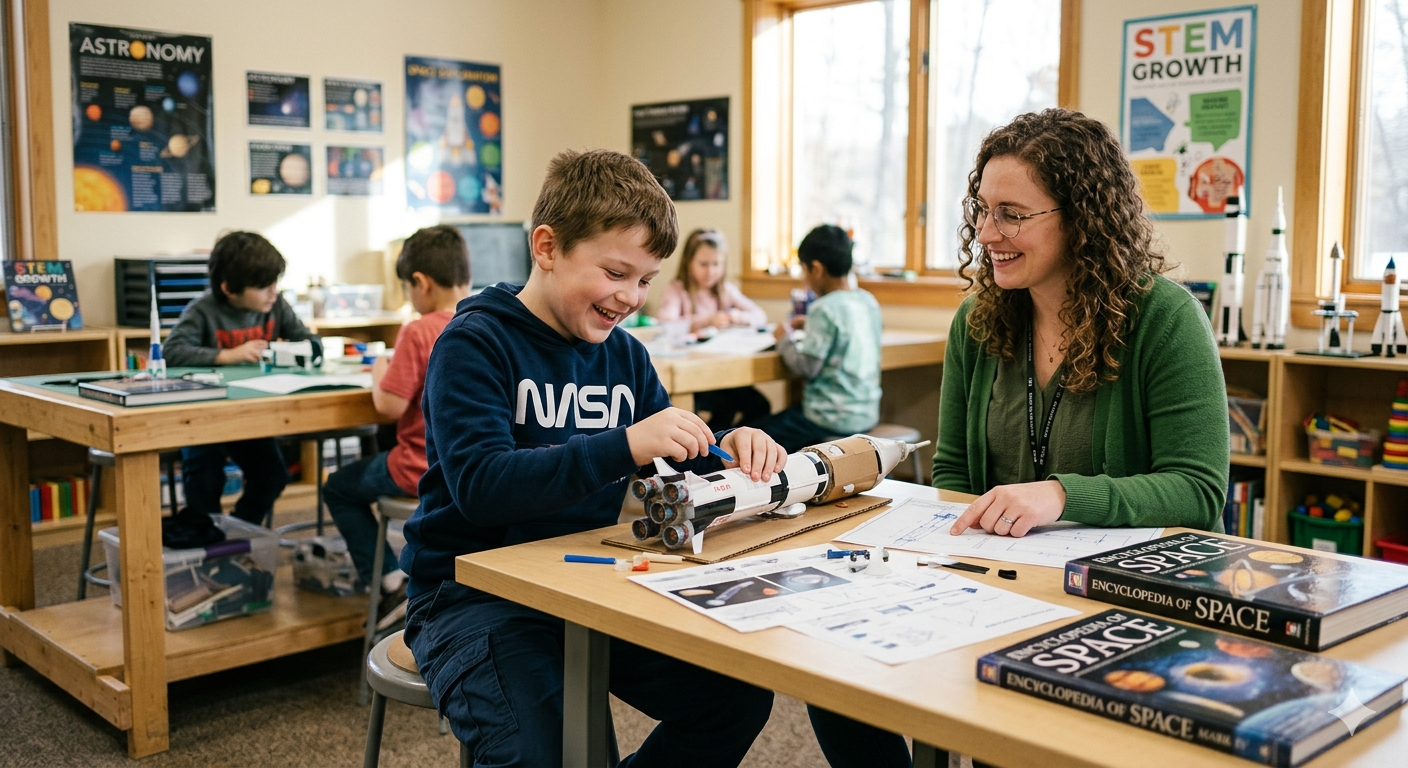
Intensity and Focus: Autistic individuals might memorize every detail about a subject, from historical facts to technical specs. A child obsessed with space could name all NASA missions without prompting.
-
Prevalence: Studies show up to 75-90% of autistic people have intense interests, per research in the Journal of Autism and Developmental Disorders.
-
Evolution Over Time: Interests often start in childhood (e.g., animals or vehicles) and may shift to complex topics like meteorology or video game design in adulthood.
These aren’t distractions—they’re a core wiring of the autistic brain, linked to enhanced pattern recognition and memory.
The Benefits of Special Interests for Autistic Individuals
Autism and special interests aren’t just quirks; they’re superpowers. Embracing them builds resilience and purpose.
-
Emotional Regulation: Diving into a passion reduces anxiety. One study from the University of Cambridge found it acts like a “stress buffer” during overwhelming situations.
-
Skill Development: Interests drive expertise. Temple Grandin, a renowned autistic advocate, turned her fascination with cattle into innovations in livestock handling.
-
Social Bridges: Shared interests spark friendships. Online communities around Minecraft or astronomy connect autistics worldwide.
-
Career Pathways: Many autistics excel in fields matching their passions, like software engineering (think trains inspiring logistics algorithms) or paleontology.
By reframing autism and special interests positively, we shift from “fixing” to celebrating neurodiversity.
Challenges and How to Support Them
While powerful, intense interests can sometimes interfere with daily life, like skipping meals or homework.
Common Hurdles
-
Balance Issues: Hyperfocus might crowd out essentials like sleep or schoolwork.
-
Social Misunderstandings: Peers may find monologues boring, leading to isolation.
-
Transitions: Shifting from an interest can trigger meltdowns.
Practical Strategies for Parents and Educators
-
Set Gentle Boundaries: Use timers for interest time, then transition with a related activity (e.g., draw dinosaurs after reading about them).
-
Incorporate into Routines: Link interests to learning—math via Pokémon stats or history through World War II models.
-
Encourage Sharing: Join clubs or apps like Reddit’s r/specialinterests to build connections.
-
Therapy Integration: In ABA or occupational therapy, weave interests into goals for motivation.
-
Tech Tools: Apps like Habitica gamify chores, blending fun with responsibility.
Consult professionals for tailored advice, especially if interests become restrictive.
Real-Life Examples: Autism and Special Interests in Action
Consider Alex, a 12-year-old from California with autism, whose train obsession led to a school presentation that wowed his class—and earned him a model railroading club invite. Or adults like Anthony Hopkins, who credits his autistic traits and painting passion for his acting depth.
These stories show autism and special interests fueling success when supported.
Embracing Autism and Special Interests for a Brighter Future
Autism and special interests remind us that neurodiversity enriches the world. By nurturing these passions with understanding and structure, we empower autistic individuals to thrive. Whether it’s a child’s bug collection or an adult’s coding marathon, these interests are gateways to joy, skills, and community.
Ready to learn more? Share your experiences in the comments or explore therapy resources below.
Sources: DSM-5, Autism Speaks, National Autistic Society, peer-reviewed journals (2023-2025 updates). Always consult healthcare providers for personalized guidance.