


Autism Awareness Day Importance: Why It Matters More Than Ever
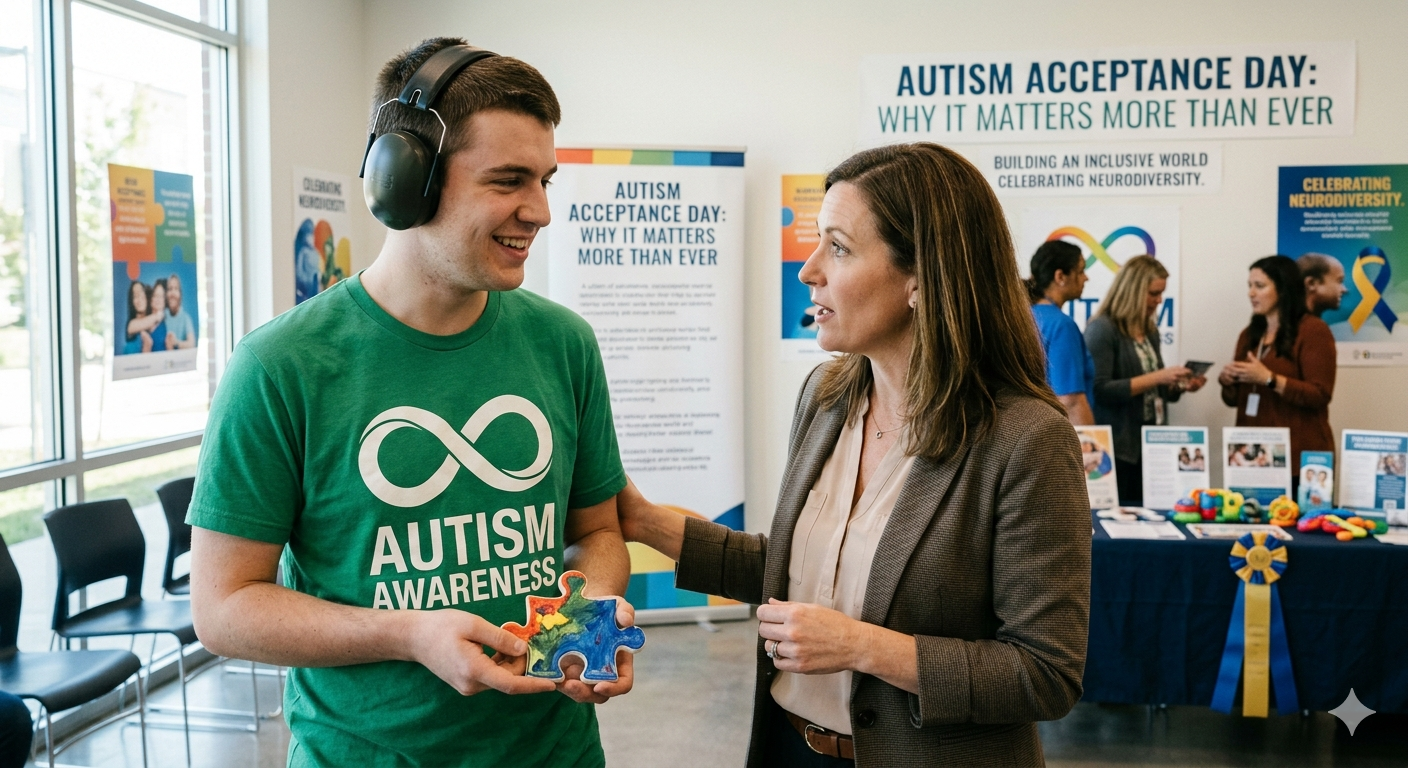
Autism Awareness Day, observed annually on April 2 as part of World Autism Awareness Week, plays a pivotal role in shining a light on autism spectrum disorder (ASD). The Autism Awareness Day importance lies in its power to educate, reduce stigma, and drive real change for millions affected by autism worldwide. In a fast-paced world, this day reminds us to prioritize understanding, inclusion, and support.
Understanding Autism Awareness Day
Launched by the United Nations in 2007, Autism Awareness Day encourages global communities to “light it up blue” – a symbolic gesture where buildings, landmarks, and homes glow in blue to signal solidarity. Beyond visuals, the Autism Awareness Day importance stems from fostering conversations about ASD, a neurodevelopmental condition affecting communication, social interaction, and behavior. According to the CDC, about 1 in 36 children in the U.S. is diagnosed with autism, highlighting the need for widespread awareness.
This day isn’t just symbolic; it sparks policy changes, funding for research, and better access to therapies like speech, occupational, behavioral (ABA), and physical therapy – essential for autistic individuals to thrive.
Key Reasons Highlighting Autism Awareness Day Importance
Raising awareness has tangible benefits. Here’s why it remains crucial:
-
Reduces Stigma and Builds Empathy: Many misconceptions portray autism as a “disease” to cure. Awareness educates on neurodiversity, promoting acceptance. Families share stories, helping others see strengths like exceptional focus or creativity in autistic people.
-
Drives Early Diagnosis and Intervention: Early detection improves outcomes. Awareness campaigns urge parents and educators to spot signs like delayed speech or sensory sensitivities, leading to timely therapies that enhance independence.
-
Advocates for Inclusive Policies: From school accommodations to workplace diversity, awareness influences laws like the U.S. Individuals with Disabilities Education Act (IDEA). It pushes for better insurance coverage for therapies and anti-discrimination protections.
-
Boosts Research and Funding: Events on this day fund innovative studies. Recent breakthroughs, such as genetic research and AI-driven diagnostics, owe much to heightened visibility.
-
Supports Families and Communities: Parents gain resources, while autistic voices – like those of activists Greta Thunberg or Temple Grandin – amplify self-advocacy, proving awareness leads to empowerment.
Celebrating Autism Awareness Day in Your Community
Make an impact locally. Host workshops on therapies, share social media posts with #LightItUpBlue, or partner with organizations like Autism Speaks or the Autistic Self Advocacy Network (ASAN). Schools can run sensory-friendly events, workplaces offer training, and families light up their homes. These actions underscore the Autism Awareness Day importance in creating supportive environments.
In 2026, as we mark the day amid growing autism rates, let’s move from awareness to acceptance. Simple steps today build a more inclusive tomorrow.
What small action will you take this Autism Awareness Day?