

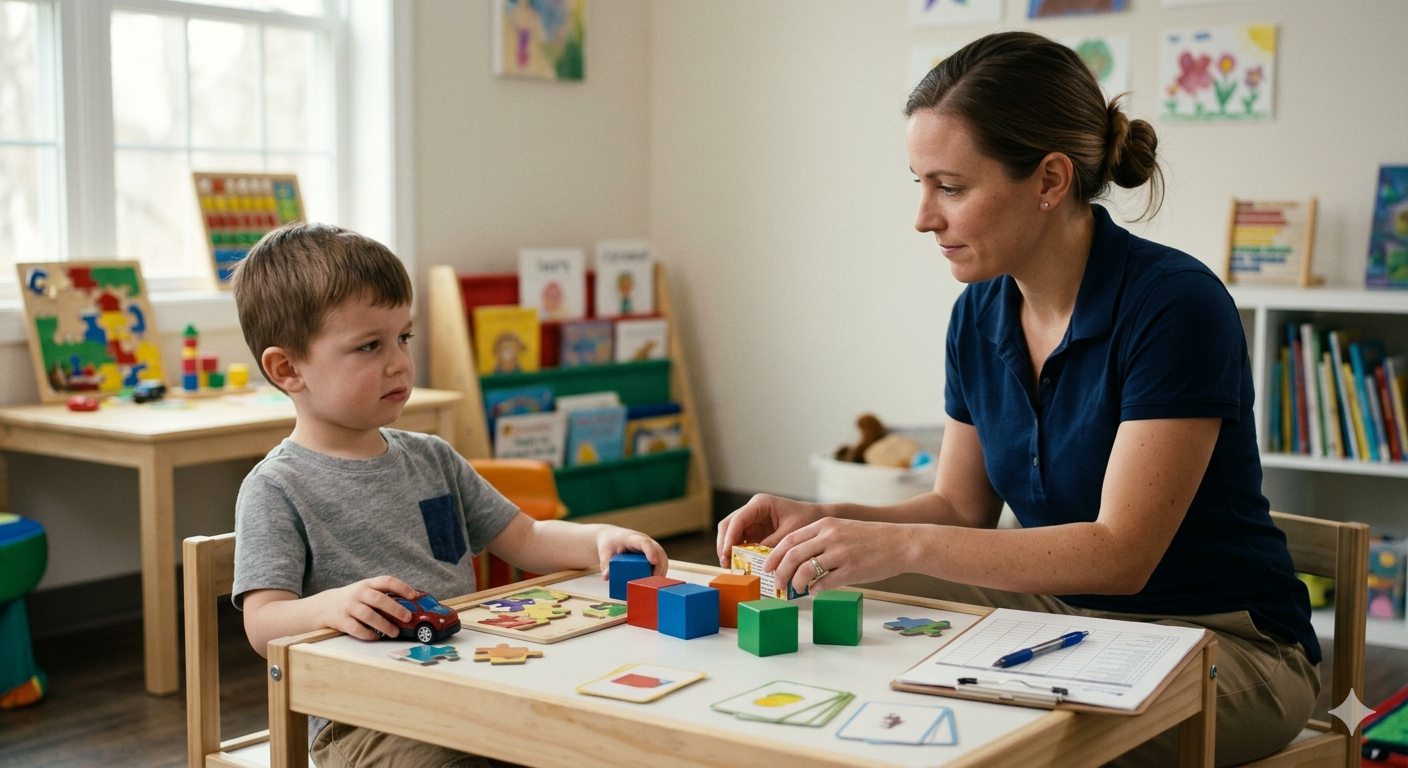
Autism Awareness in Schools: Building Inclusive Classrooms for Every Child
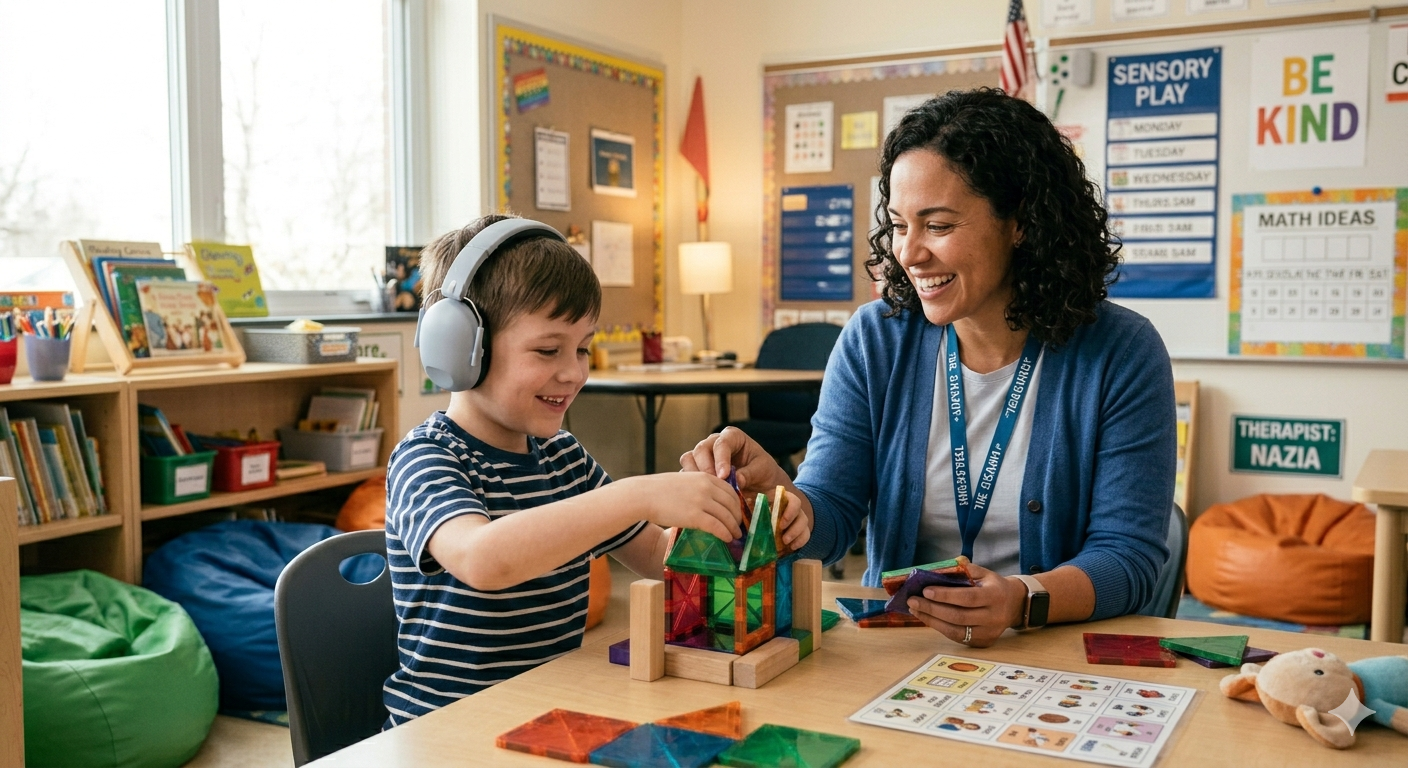
Autism Awareness in Schools isn’t just a buzzword—it’s a vital step toward creating environments where every student can thrive. With 1 in 36 children diagnosed with autism spectrum disorder (ASD) in the U.S. (according to the CDC’s latest data), educators, parents, and administrators must prioritize understanding and support. This article explores why autism awareness matters in schools, practical strategies to foster inclusion, and real-world examples that make a difference.
Why Autism Awareness in Schools Matters Today
Raising autism awareness in schools breaks down stereotypes and promotes empathy. Many autistic students face challenges like sensory sensitivities, communication differences, and social navigation, which can lead to misunderstandings or isolation if unaddressed.
In fact, studies from the National Autism Center show that early awareness training reduces bullying by up to 40% and improves academic outcomes. Schools that embrace autism awareness don’t just comply with laws like the Individuals with Disabilities Education Act (IDEA)—they build compassionate communities. Imagine a classroom where a child’s unique strengths, like exceptional focus or creativity, shine rather than being overlooked.
Key Strategies for Boosting Autism Awareness in Schools
Implementing autism awareness in schools starts with actionable steps. Here’s how educators can lead the charge:
-
Staff Training Programs: Offer workshops on ASD traits, using resources from Autism Speaks or the Autism Society. Train teachers to recognize signs like repetitive behaviors or nonverbal cues, and adapt lessons accordingly.
-
Student-Led Initiatives: Host Autism Awareness Month events in April with activities like “Autism Acceptance Walks” or sensory-friendly assemblies. Older students can create peer buddy systems to support younger autistic classmates.
-
Inclusive Classroom Tools: Use visual schedules, noise-canceling headphones, and flexible seating. Tools like social stories—short narratives explaining routines—help autistic students transition smoothly.
-
Parental and Community Partnerships: Share resources via school newsletters and parent nights. Collaborate with local therapists for guest speakers, bridging school and home support.
These strategies turn awareness into action, ensuring no child feels sidelined.
Real-World Examples of Autism Awareness in Schools
Schools across the U.S. are leading by example. In California, the “Inclusive Schools Network” program integrates autistic students into mainstream classes with trained aides, boosting graduation rates by 25%. Meanwhile, a Texas district’s “Blue Puzzle Piece” campaign—featuring student artwork—sparked district-wide empathy training.
Closer to home for many, Chicago Public Schools’ sensory rooms provide quiet retreats, reducing meltdowns and improving focus. These successes prove that autism awareness in schools yields measurable results, from higher attendance to stronger social bonds.
Overcoming Challenges and Measuring Success
Resistance to change is common—budgets are tight, and time is limited. Start small: A single awareness day can evolve into ongoing programs. Track progress with simple metrics like student feedback surveys or inclusion checklists from the U.S. Department of Education.
Funding helps too—grants from organizations like the Organization for Autism Research (OAR) support training without straining school resources.
Empower Your School with Autism Awareness Today
Autism awareness in schools transforms challenges into opportunities, creating equitable spaces where all students succeed. Administrators, share this article with your team; teachers, try one strategy this week. Together, we can make inclusion the norm.
Ready to take the next step? Download free ASD toolkits from Autism Society or contact your local school board. What’s one change you’ll champion?