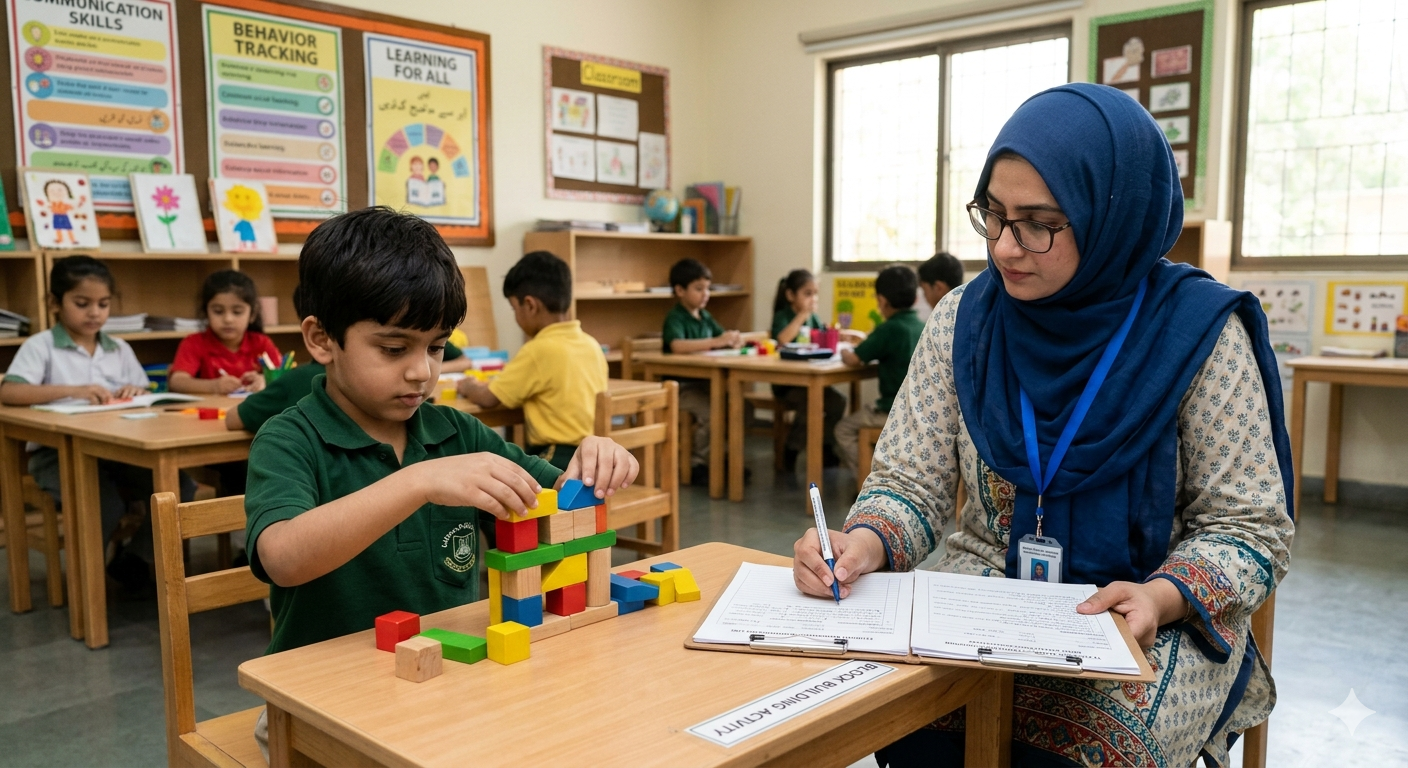


Autism Checklist for Parents: Early Signs and Next Steps

As a parent, noticing subtle changes in your child’s development can spark worry or curiosity. An autism checklist for parents offers a straightforward way to spot potential early signs of autism spectrum disorder (ASD). This guide empowers you with key indicators, backed by insights from organizations like the CDC and Autism Speaks, to help you decide if professional evaluation is needed. Remember, this isn’t a diagnosis—only a qualified clinician can provide that—but it’s a vital first step.
What Is Autism Spectrum Disorder?
Autism spectrum disorder affects how children communicate, socialize, and behave. It appears in early childhood, often by age 2 or 3, and varies widely in severity—from those needing minimal support to others requiring substantial assistance. According to the CDC, about 1 in 36 children in the U.S. is diagnosed with ASD.
Early detection matters because therapies like applied behavior analysis (ABA), speech therapy, and occupational therapy can significantly improve outcomes. Use this autism checklist for parents to track behaviors at home.
Key Developmental Milestones to Watch
Children develop at different paces, but consistent delays may signal autism. Compare your child’s progress to these CDC-recommended milestones:
-
By 6 months: Smiles in response to your face; makes eye contact.
-
By 9 months: Babbles or mimics sounds; responds to their name.
-
By 12 months: Says simple words like “mama” or “dada”; waves bye-bye.
-
By 18 months: Points to show interest; has at least 6 words.
-
By 24 months: Forms 2-word phrases; follows simple instructions.
If your child misses several, note it on your autism checklist for parents.
The Essential Autism Checklist for Parents
Print this autism checklist for parents and observe your child over a week. Check off behaviors you notice frequently. Divided by age and category for ease.
Social and Communication Signs
These are core red flags, as autism often impacts interaction.
-
Avoids eye contact or looks away during conversations.
-
Doesn’t respond to their name by 12 months.
-
Prefers playing alone; little interest in other children.
-
Doesn’t point or show objects to share excitement (e.g., “Look at the dog!”).
-
Lacks facial expressions like smiling or frowning to show emotions.
-
Repeats words or phrases (echolalia) without understanding meaning.
-
Struggles with pretend play, like feeding a doll.
Repetitive Behaviors and Routines
Repetitive actions provide comfort but can limit flexibility.
-
Lines up toys obsessively instead of playing with them.
-
Insists on strict routines; extreme distress if disrupted (e.g., meltdown over a different dinner plate).
-
Flaps hands, rocks body, or spins in circles repeatedly.
-
Fixates on parts of objects, like wheels on a toy car.
-
Overreacts to sensory input (lights too bright, tags itchy) or seeks it (loves spinning doors).
Speech and Language Delays
Language development varies, but regression is a major concern.
-
No single words by 16 months or 2-word phrases by 24 months.
-
Loses previously learned words or skills (regression).
-
Speaks in a flat, robotic tone or with unusual pitch.
-
Difficulty understanding simple instructions or questions.
Motor and Sensory Signs
These often overlap with occupational therapy needs.
-
Clumsy movements; delayed walking or toe-walking.
-
Over- or under-sensitive to sounds, textures, or pain.
-
Unusual body postures, like arching back rigidly.
Quick Score Guide:
-
0-3 checks: Likely typical development; keep monitoring.
-
4-7 checks: Discuss with your pediatrician.
-
8+ checks: Seek evaluation promptly.
Red Flags Requiring Immediate Attention
Some signs demand urgent action, per the American Academy of Pediatrics:
-
No babbling, pointing, or gesturing by 12 months.
-
No words by 16 months.
-
Loss of language or social skills at any age.
-
Any parental concern—your instincts matter.
What to Do If Your Checklist Raises Concerns
-
Track and Document: Video behaviors during playtime or meltdowns for doctors.
-
Talk to Your Pediatrician: Share your autism checklist for parents at the next visit. Request the M-CHAT screening tool (free online at firstsigns.org).
-
Pursue Formal Screening: Early intervention programs (free in the U.S. under IDEA for ages 0-3) include developmental assessments.
-
Get Evaluated: Expect referrals to a developmental pediatrician, psychologist, or neurologist. Diagnosis involves observing play, parent interviews, and tests like ADOS.
-
Explore Therapies: Post-diagnosis, options like ABA therapy, speech therapy, occupational therapy, and physical therapy can build skills.
In the U.S., contact your state’s early intervention services or the Autism Speaks helpline (1-888-772-9050). Globally, resources like the National Autistic Society (UK) offer similar support.
Busting Myths About Autism Checklists
-
Myth: All autistic kids are savants. Fact: Strengths vary; many excel in routine tasks.
-
Myth: Vaccines cause autism. Fact: Extensive studies (e.g., CDC, WHO) debunk this.
-
Myth: Girls don’t show signs. Fact: They often mask symptoms, leading to later diagnosis.
-
Myth: It’s just “bad parenting.” Fact: ASD is neurodevelopmental, with genetic and environmental factors.
Empowering Parents: You’re Not Alone
Spotting signs via an autism checklist for parents is proactive parenting. Many families thrive post-diagnosis—think of autistic advocates like Temple Grandin. Connect with communities on Reddit’s r/autism or local support groups.
Early action unlocks a world of support. Celebrate your child’s unique wiring while addressing needs.
Disclaimer: This article provides general information, not medical advice. Consult healthcare professionals for personalized guidance.