


Autism Diagnosis Costs Worldwide: A Global Barrier to Early Intervention
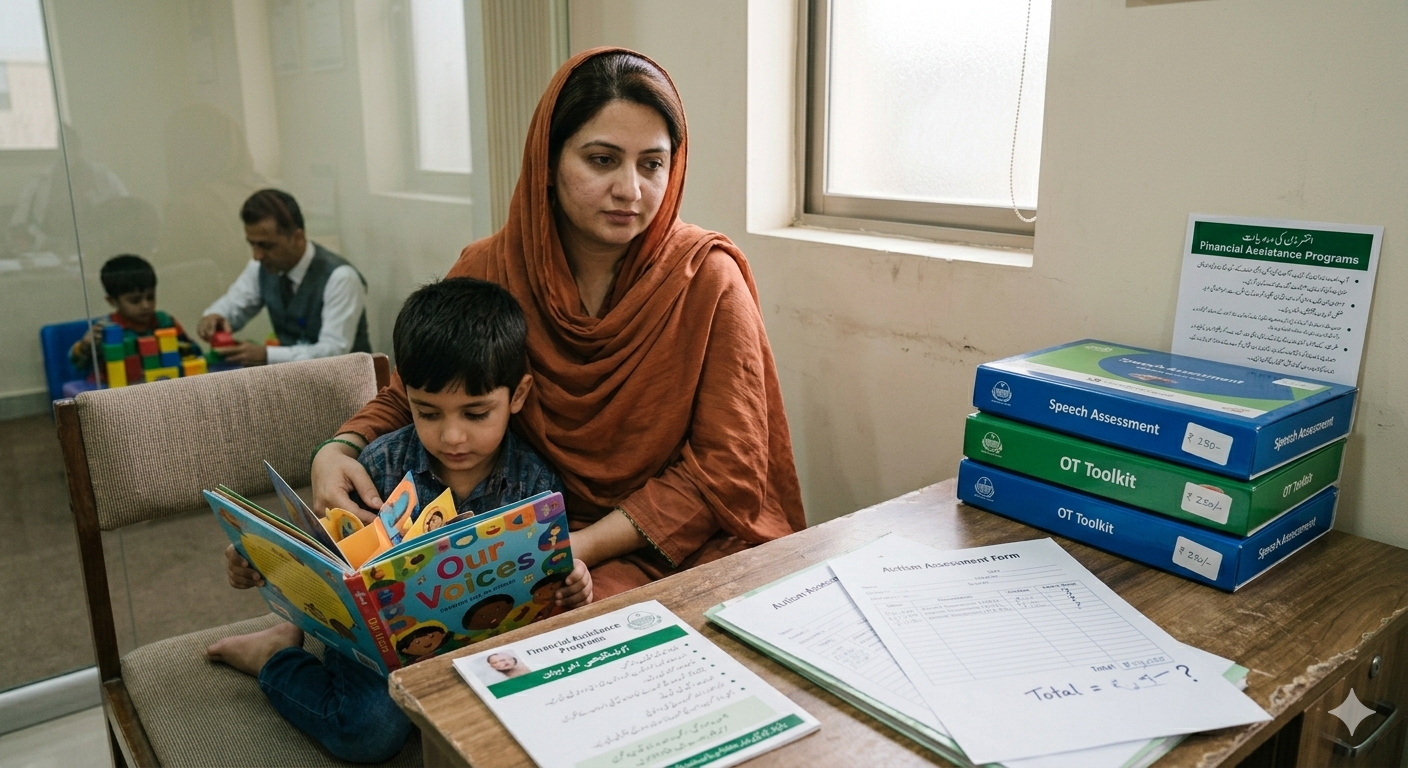
Autism diagnosis costs vary widely around the world, often posing a significant barrier to early intervention for families. This article explores these expenses, highlighting disparities and affordability challenges to advocate for more accessible services.
Global Cost Overview
Comprehensive autism evaluations typically range from $1,500 to $5,000 USD in high-income countries like the US, covering tools such as the ADOS-2 administered by specialists. In urban areas like New York or California, prices can climb to $3,000-$9,000 due to high demand and expert fees, while rural regions may offer options closer to $1,200-$3,000. Initial screenings start lower at $200-$600, but full assessments with neuropsych testing often exceed $3,000 without insurance.
Variations by Country
In the UK, multidisciplinary assessments average £650-£1,000 (about $975-$1,500 USD), involving around 13 hours of professional time across pediatricians and psychologists, though outliers reach £1,446. Developing nations face steeper relative costs; while absolute figures may be lower (e.g., adjusted for local economies), limited specialist access inflates expenses through travel or private clinics, with high-income countries generally diagnosing earlier due to better-funded systems. Adult assessments mirror child costs at $485-$6,000 globally, varying by location and provider expertise.
Cost Components Breakdown
These ranges exclude follow-up therapies, where lifetime autism-related costs can hit $1.4-$2.4 million per person.
Why Costs Are a Barrier
High prices delay diagnosis, worsening outcomes since early intervention is critical—yet insurance covers only part in places like the US, leaving families with $1,500-$3,000 out-of-pocket. Globally, low- and middle-income countries lag in services, making even basic screenings unaffordable relative to incomes, perpetuating inequities. Rising diagnoses (up 175% in recent decades) strain systems without proportional funding increases.
Paths to Affordability
Families can seek insurance reimbursements, low-cost community screenings, or financial aid programs to cut expenses. Policymakers must prioritize subsidies and training to reduce these prohibitive costs, ensuring no child misses vital support due to finances. Advocacy for universal access remains essential worldwide.