
Autism Explained Simply: A Beginner’s Guide
Autism Explained Simply starts here—what if understanding autism was as straightforward as chatting with a friend? Autism Spectrum Disorder (ASD) affects how people communicate, learn, and interact with the world. It’s called a “spectrum” because no two people experience it the same way. Let’s break it down without the jargon.
What Is Autism, Really?
Imagine your brain as a unique operating system. For most folks, it runs on “standard mode,” processing social cues, sounds, and changes smoothly. In autism, that system operates differently—often in “high-definition mode,” where details stand out vividly but the big picture feels fuzzy.
-
Core traits: Challenges with social communication, repetitive behaviors, and intense focus on specific interests.
-
Not a disease: Autism is a neurodevelopmental difference, present from early childhood.
-
Prevalence: About 1 in 36 children in the U.S. is diagnosed with ASD, per CDC data.
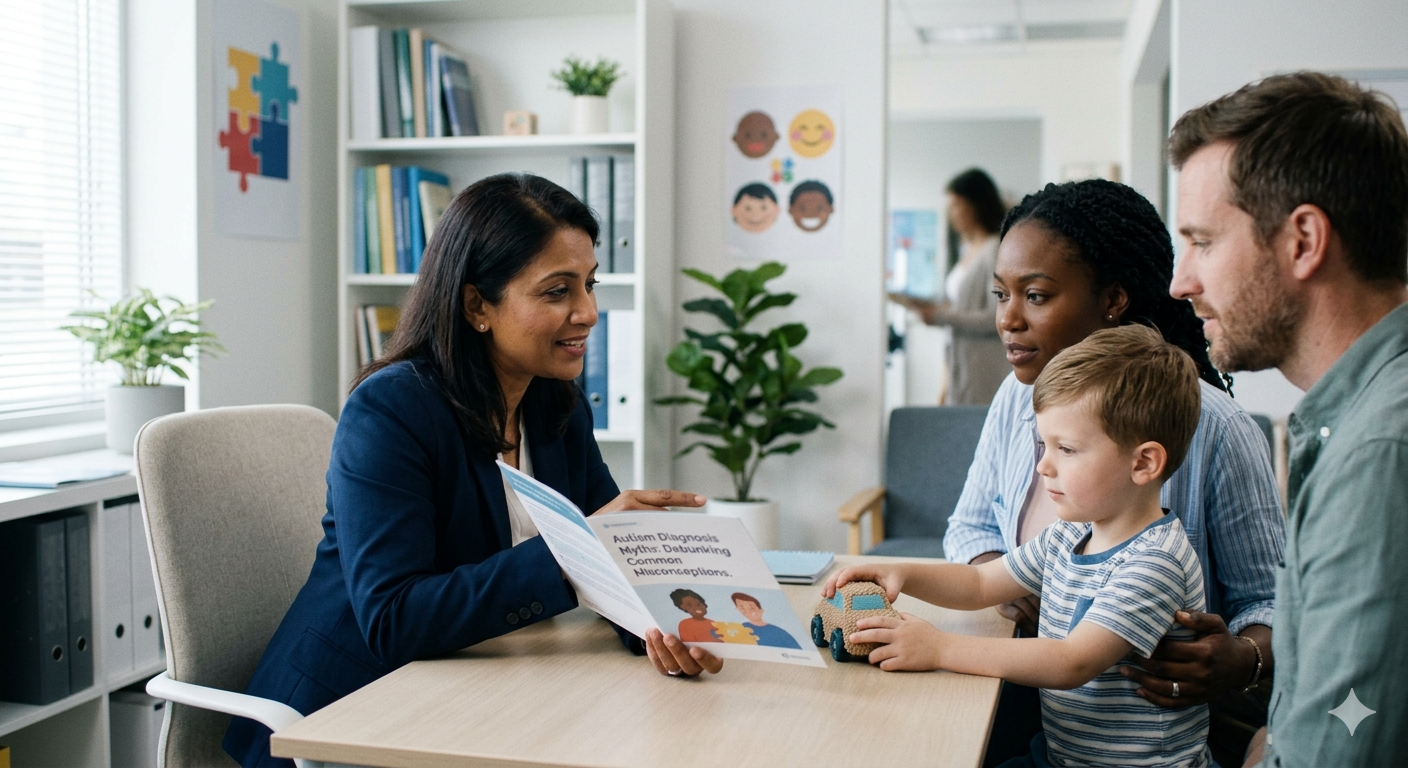
Early signs might include delayed speech, avoiding eye contact, or lining up toys obsessively. Diagnosis usually happens by age 2-3 through behavioral assessments.
The Autism Spectrum: From Mild to Profound
Autism isn’t one-size-fits-all. Think of it as a colorful rainbow, with each shade representing different needs.
Strengths often shine through: exceptional memory, deep loyalty, or genius-level skills in art, music, or tech—like Temple Grandin, who revolutionized animal welfare with her autistic perspective.
Common Myths Busted
-
Myth: Vaccines cause autism. Debunked by decades of research—no link exists.
-
Myth: Autistic people lack empathy. They feel deeply but may express it differently.
-
Myth: It’s just a boy thing. Girls are underdiagnosed due to subtler symptoms.
Everyday Life with Autism
Picture a busy mall: Lights flicker, voices overlap, smells clash. For someone with autism, it’s overwhelming—like a fireworks show in a library. Sensory sensitivities affect 90% of autistic people.
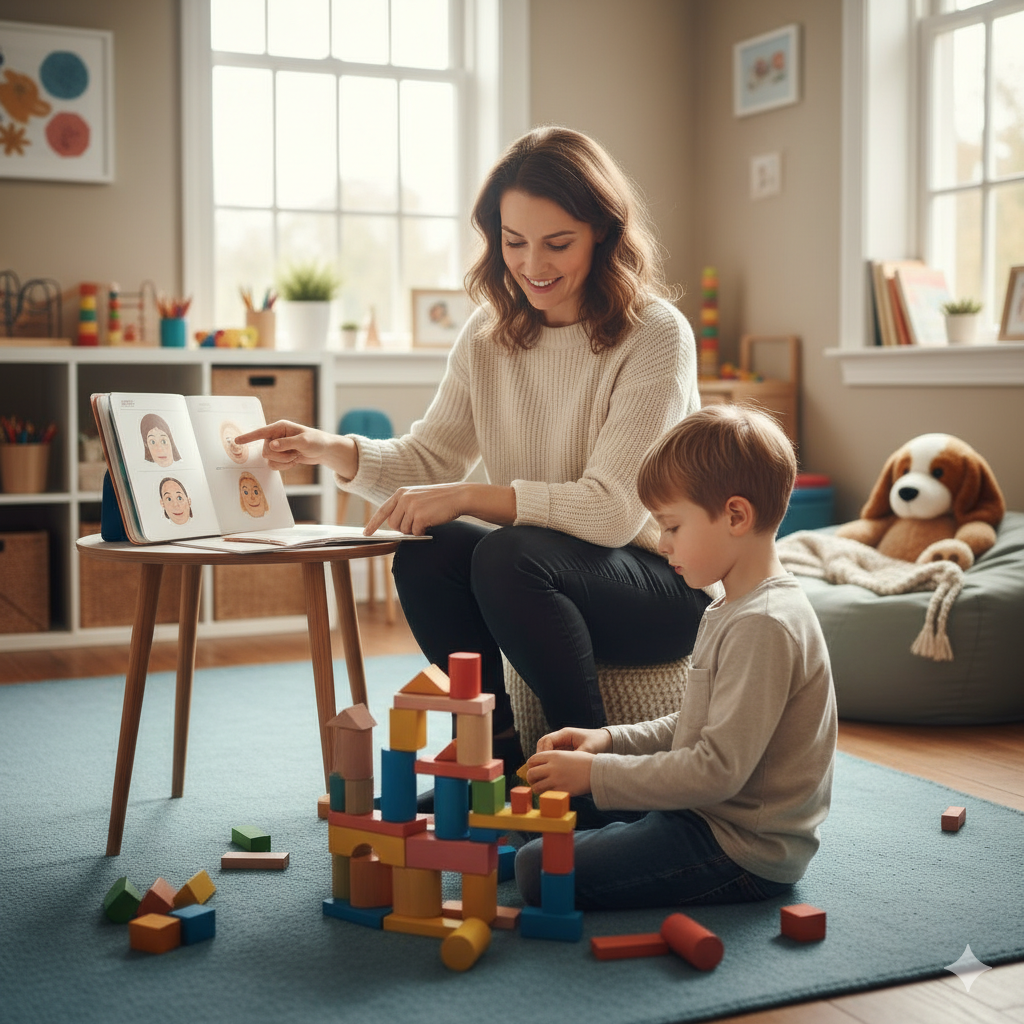
Daily wins include routines (think predictable schedules) and visual aids (like picture schedules for kids). Many thrive with therapies:
-
ABA (Applied Behavior Analysis): Builds skills through positive reinforcement.
-
Speech therapy: Improves communication, even non-verbal.
-
Occupational therapy: Helps with motor skills and sensory integration.
Supporting Someone with Autism
Love and understanding go far. Simple tips:
-
Use clear, direct language—no sarcasm.
-
Create calm spaces during meltdowns.
-
Celebrate their passions; they could lead to amazing careers.
Parents, schools, and communities play key roles. In the U.S., resources like Autism Speaks or local IEPs (Individualized Education Programs) provide free support.
Autism Explained Simply boils down to this: It’s a different way of seeing the world, full of gifts and challenges. With awareness, we build inclusive spaces where everyone shines.