


Autism in Boys vs Girls: Key Differences in Diagnosis, Symptoms, and Support
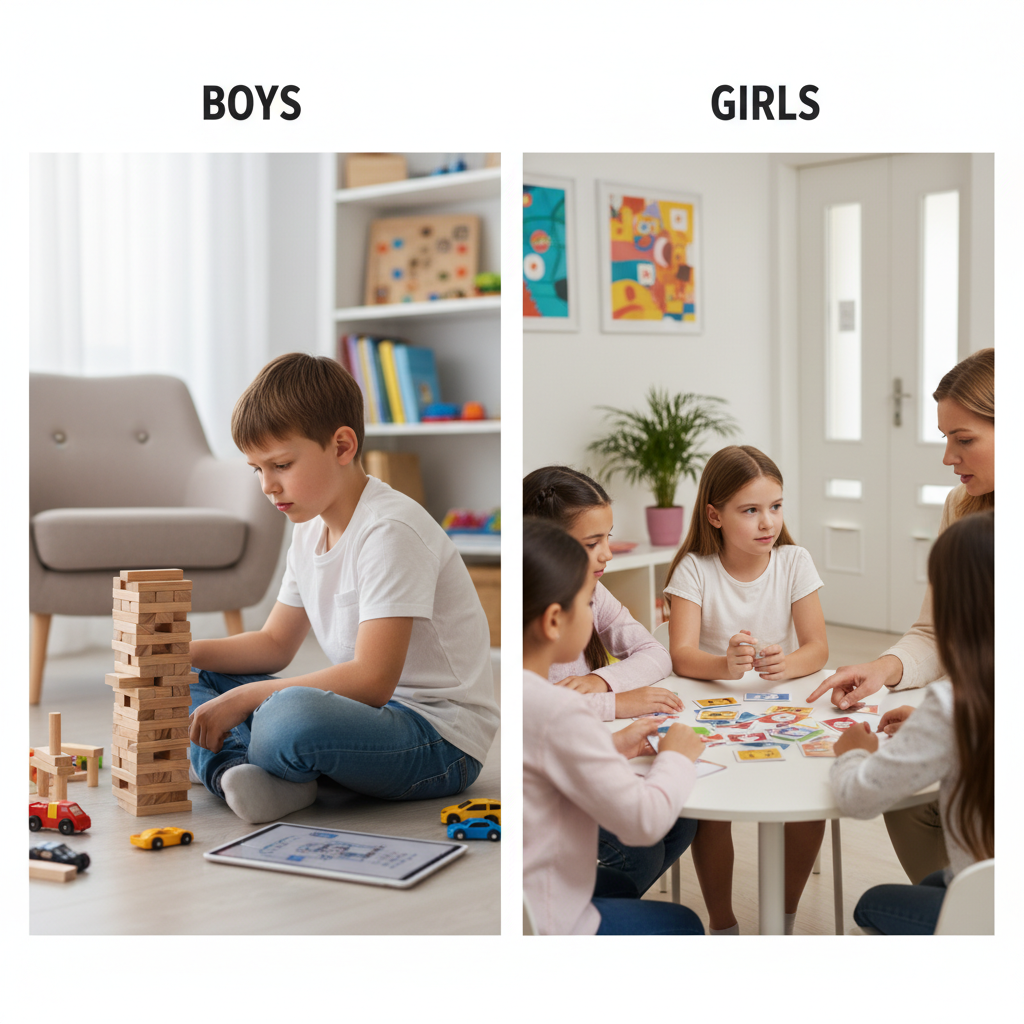
Autism Spectrum Disorder (ASD) affects how people communicate, behave, and interact with the world. While it impacts children of all genders, research shows striking differences in how autism presents in boys versus girls—often leading to underdiagnosis in females. Understanding autism in boys vs girls is crucial for parents, educators, and healthcare providers to ensure timely interventions. This article breaks down the key distinctions, backed by data from the CDC and recent studies.
Prevalence: Why Boys Are Diagnosed More Often
Boys are diagnosed with autism at a much higher rate than girls. According to the CDC’s 2023 data, about 1 in 36 children in the U.S. has ASD, with boys four times more likely to receive a diagnosis (1 in 27 boys vs. 1 in 116 girls).
-
Biological factors: Genetic studies suggest boys may have a lower threshold for autism traits due to sex-linked genes on the X chromosome. Girls, with two X chromosomes, might have a “protective effect” that masks symptoms.
-
Diagnostic bias: Traditional autism criteria were based largely on male presentations, overlooking subtler signs in girls.
This gap means many girls go undiagnosed until later in life, missing early therapies like speech or occupational therapy.
Symptom Differences: Boys vs. Girls
Autism symptoms vary by gender, with boys often showing more obvious external behaviors and girls internalizing theirs. Here’s a side-by-side comparison:
For example, a boy might line up toys obsessively in public view, flagging concerns early. A girl might organize her doll collection privately, flying under the radar.
Camouflaging: The Hidden Challenge for Girls
Girls with autism are masters of “camouflaging”—copying neurotypical behaviors to fit in. A 2022 study in The Lancet found that 70% of autistic girls mask symptoms, compared to 30% of boys. This delays diagnosis by an average of 1.5 years and increases risks of anxiety, depression, and eating disorders in adolescence.
Parents might notice girls excelling academically but withdrawing emotionally, while boys’ behaviors prompt quicker evaluations.
Why Early Diagnosis Matters for Both Genders
Spotting autism in boys vs girls early unlocks therapies:
-
Boys: Behavioral interventions like ABA (Applied Behavior Analysis) target external behaviors effectively.
-
Girls: Tailored support focuses on emotional regulation and unmasking, often combined with occupational therapy for sensory issues.
In the U.S. and UK, screening tools like the M-CHAT are now gender-neutral, improving detection.
Supporting Autistic Boys and Girls: Practical Tips
-
For boys: Encourage structured play and social skills groups to build confidence.
-
For girls: Validate masking fatigue; seek girl-specific autism programs that address co-occurring mental health.
-
Universal advice: Create sensory-friendly environments, use visual schedules, and consult specialists for personalized IEPs (Individualized Education Programs).
Raising awareness reduces the diagnosis gap. If you suspect autism, consult a pediatrician for screening—early action changes lives.
Sources: CDC ADDM Network (2023), Autism Speaks, The Lancet Psychiatry (2022). Always seek professional advice for individual cases.