

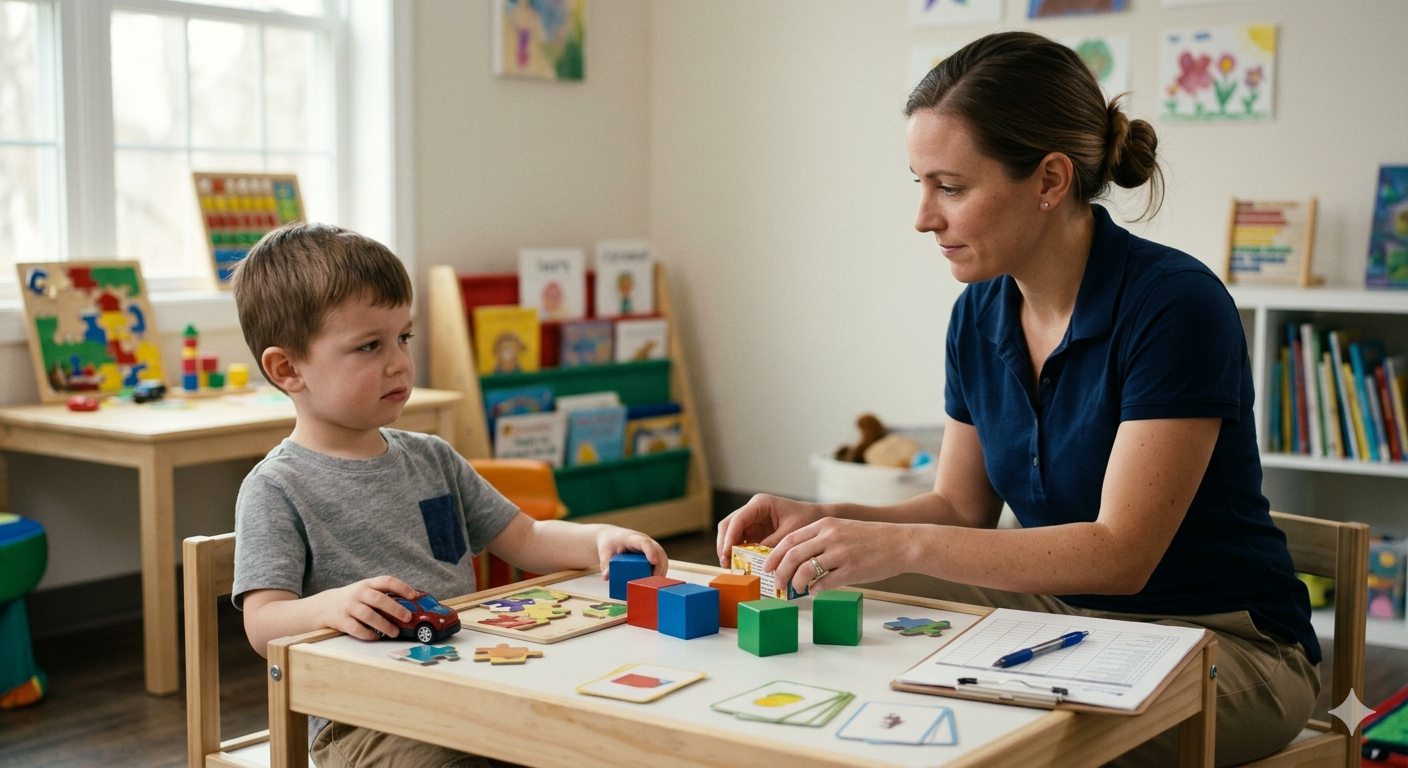
Autism Screening Tests: What They Can—and Cannot—Do
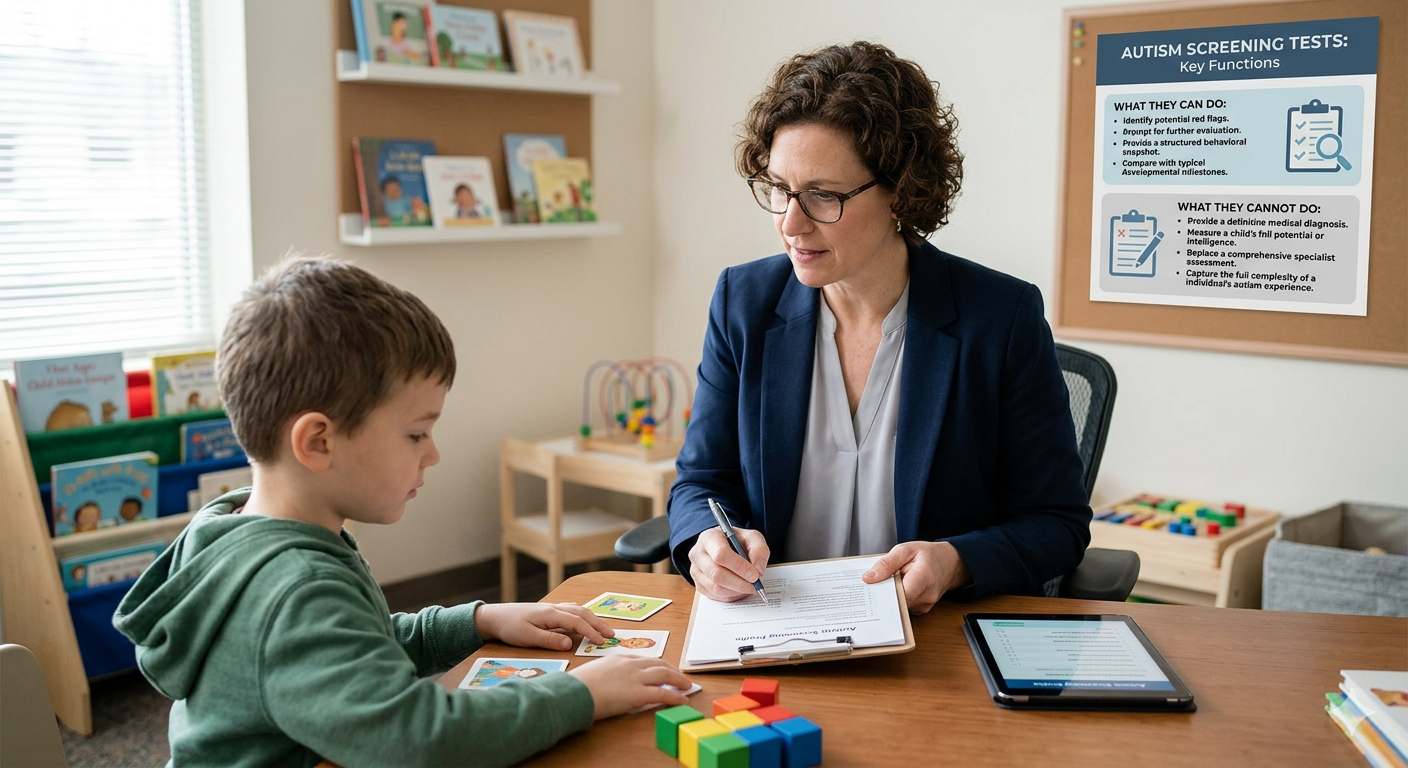
Autism screening tests are commonly used by pediatricians and therapists to flag early signs of autism spectrum disorder (ASD). On the surface, they look like a simple way to “catch autism early,” but in practice they are far from perfect. Understanding what autism screening tests can really do—and where they fall short—is essential for parents, educators, and clinicians who rely on them.
What Autism Screening Tests Actually Measure
Most autism screening tools are short questionnaires or checklists that ask caregivers or teachers about a child’s communication, social behavior, and repetitive or restricted interests. Examples include the M‑CHAT‑R/F, STAT, and online adult questionnaires such as the AQ or RAADS‑R. These tools are not designed to diagnose autism; instead, they aim to identify children who may need a full diagnostic assessment.
Why Early Screening Is Promoted
Health organizations such as the American Academy of Pediatrics recommend universal autism screening during routine well‑child visits. The logic is straightforward: if delays are spotted early, children can enter speech, occupational, behavioral, or physical therapy sooner, which can improve long‑term outcomes. Screening tools like the M‑CHAT‑R/F are widely used in the U.S. and other countries for this purpose.
The Limitations of Autism Screening Tools
Despite their popularity, autism screening tests have serious drawbacks. Studies show that many children who screen “positive” do not receive an autism diagnosis after a full evaluation, while some children who screen “negative” are later diagnosed. For example, research on the M‑CHAT‑R/F reports that its predictive value is only about 57–60%, meaning roughly 40% of children flagged by the screen may not have autism. In other words, screening tests can both over‑identify and under‑identify autism, leading to unnecessary stress or missed intervention opportunities.
Problems with Online and Self‑Administered Tests
The rise of online autism “tests” has made screening more accessible—but also more misleading. Many free or low‑cost online quizzes are not validated for clinical use and lack the sensitivity and specificity needed for reliable interpretation. Adults who fill out self‑administered scales such as RAADS‑R may walk away with a false sense of “I have autism” or “I don’t have autism,” when in reality these tools are meant only as part of a broader, professional assessment. Relying on an online test alone can delay proper diagnosis or push people toward unnecessary label‑hopping.
Cultural, Linguistic, and Contextual Blind Spots
Screening tools are often developed and validated in narrow populations, usually middle‑class, English‑speaking families in Western countries. This can create blind spots for children from diverse linguistic, cultural, or developmental backgrounds. Parents have reported feeling defensive or misunderstood when standardized questions fail to account for family context, parenting style, or community norms. When a tool treats every “difference” as a red flag, it can pathologize normal variation rather than highlight true developmental concerns.
Misuse, Misinterpretation, and Clinical Errors
Even when good tools are used correctly, human error can undermine their value. Some clinicians improvise or skip follow‑up questions on structured screens like the M‑CHAT‑R/F, turning a standardized process into a subjective chat. Others may rely too heavily on cut‑off scores—for example, a specific tally on the AQ‑10—without considering the broader clinical picture. Research has shown that using an inappropriately high cut‑off score can make autism screening less sensitive, leading to missed referrals and delayed support.
How Parents Should View Autism Screening Tests
For parents, the key takeaway is that autism screening tests are a starting point, not an endpoint. A positive screen should not cause panic; it should trigger a conversation with a qualified professional who can conduct a comprehensive assessment. A negative screen should not be treated as a guarantee that everything is “fine,” especially if caregivers or teachers notice persistent delays or troubling behaviors. The most important thing is ongoing developmental monitoring, not a single score on a checklist.
Better Approaches: Screening Plus Professional Judgment
Researchers and clinicians increasingly emphasize that autism screening works best when it is combined with expert observation and clinical judgment. This means using standardized tools where appropriate while also watching how a child plays, communicates, and responds to social cues in real‑life settings. When a screening result conflicts with a clinician’s or parent’s intuitive sense of the child, it should be treated as a signal to dig deeper, not to dismiss concerns.
When to Seek a Full Autism Assessment
If your child has received a positive autism screen—or if you have ongoing concerns about speech, social interaction, or behavior—seek a full autism assessment from a qualified team. This typically includes a developmental history, direct observation, standardized testing, and input from parents, teachers, and therapists. Do not settle for a label that comes only from a brief questionnaire or an online test. A proper evaluation is more time‑consuming, but it also provides a clearer, more accurate picture of your child’s strengths and challenges.
Final Thoughts: Use Screening Wisely, Not Blindly
Autism screening tests can help identify children who may benefit from early support, but they are not magic tools. They are prone to false positives, false negatives, and cultural bias, and they should never replace skilled clinical judgment. As a parent, therapist, or educator, your role is to use screening thoughtfully: ask questions, compare results with real‑world observations, and insist on thorough follow‑up when anything feels off. Done this way, autism screening becomes a helpful guide; done blindly, it can cause unnecessary stress or, worse, delay the help a child truly needs.