


Behavioral Therapy for Autism: Effective Strategies for Positive Change
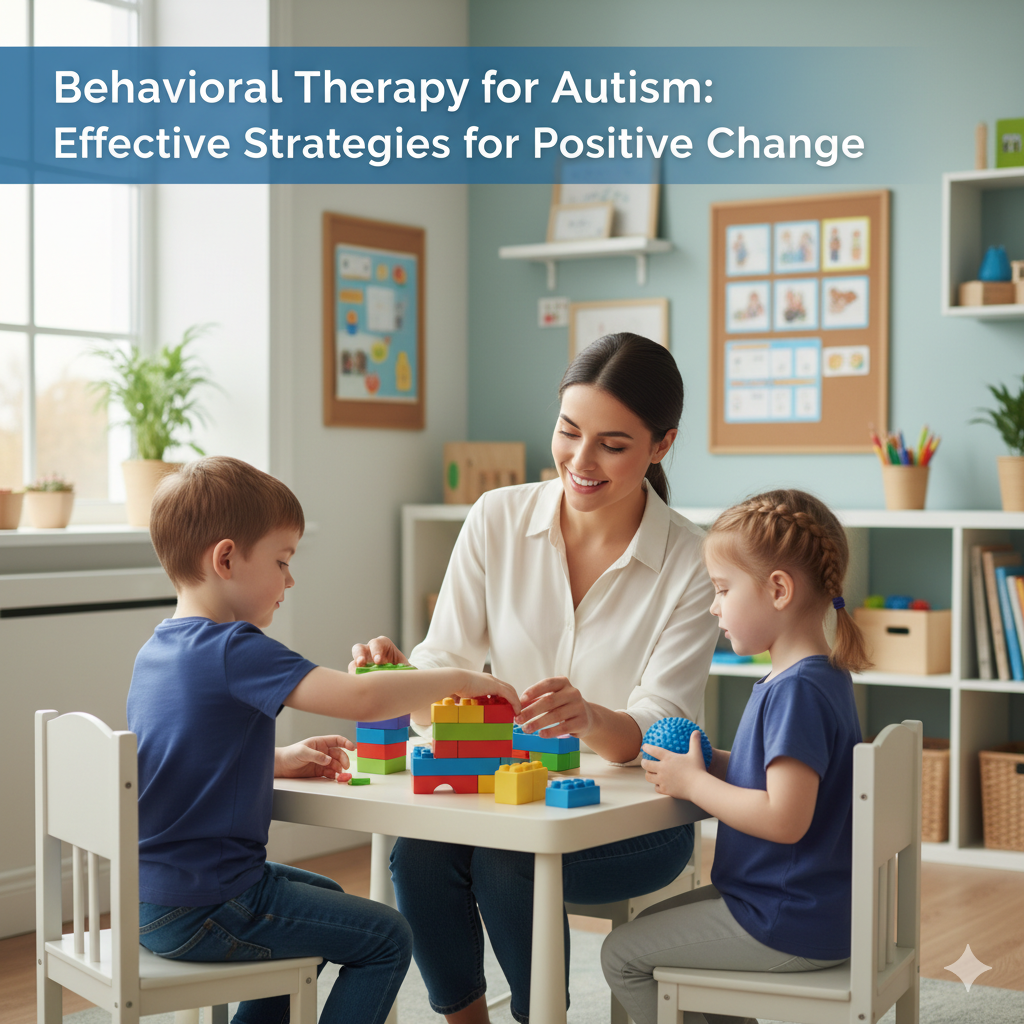
Behavioral therapy for autism has emerged as one of the most evidence-based approaches to support children and adults on the autism spectrum. By focusing on observable behaviors and positive reinforcement, this therapy helps individuals develop essential skills, reduce challenging behaviors, and improve quality of life. If you’re a parent, educator, or caregiver exploring options in the UK or London, understanding these techniques can empower you to make informed choices.
What Is Behavioral Therapy for Autism?
At its core, behavioral therapy applies principles from behaviorism—rooted in the work of psychologists like B.F. Skinner—to address autism spectrum disorder (ASD). It targets specific behaviors through structured interventions, emphasizing repetition, rewards, and data-driven progress tracking.
Unlike talk therapy, it doesn’t rely on verbal communication alone, making it ideal for non-speaking individuals with autism. Therapists observe, measure, and modify behaviors in real-world settings like home, school, or clinics.
The Gold Standard: Applied Behavior Analysis (ABA)
Applied Behavior Analysis (ABA) is the cornerstone of behavioral therapy for autism. This intensive, individualized program breaks skills into small, manageable steps and uses positive reinforcement to encourage learning.
Key components include:
-
Discrete Trial Training (DTT): Structured teaching with clear prompts, responses, and immediate feedback. For example, a child learns to identify colors by repeating trials until mastery.
-
Natural Environment Teaching (NET): Skills taught during play or daily routines, promoting generalization to real life.
-
Pivotal Response Training (PRT): Targets “pivotal” behaviors like motivation and self-initiation, often leading to broader improvements.
Studies from the UK’s National Autistic Society show ABA can improve IQ, language, and adaptive skills by up to 47% in young children when started early.
Other Proven Behavioral Therapies
Beyond ABA, several complementary approaches enhance outcomes:
-
Early Intensive Behavioral Intervention (EIBI): A high-dose ABA variant (20-40 hours/week) for toddlers, proven to boost cognitive and social gains.
-
Verbal Behavior Therapy (VBT): Focuses on language development using ABA principles, teaching functional communication like requesting or labeling.
-
Functional Communication Training (FCT): Replaces problem behaviors (e.g., tantrums) with appropriate alternatives, such as using picture cards to ask for a break.
These therapies often combine with tools like visual schedules or social stories to support neurodiverse learners.
Benefits and Real-World Impact
Behavioral therapy for autism yields measurable results across domains:
-
Social Skills: Increases eye contact, turn-taking, and friendships.
-
Communication: Builds vocabulary, reduces echolalia, and fosters functional speech.
-
Daily Living: Teaches self-care like dressing or hygiene.
-
Behavior Reduction: Decreases aggression, self-injury, or elopement through replacement strategies.
A meta-analysis in JAMA Pediatrics (2020) confirmed long-term benefits, with many children gaining independence. In the United Kingdom, programs in London are widely accessible through NHS services and autism charities.
Getting Started: Practical Steps
Ready to explore behavioral therapy for autism? Follow these steps:
-
Seek Diagnosis and Assessment: Consult a developmental pediatrician or psychologist via the NHS for a formal ASD evaluation.
-
Find Certified Therapists: Look for Board Certified Behavior Analysts (BCBAs) through organizations like the UK Society for Behaviour Analysis.
-
Start Small: Begin with 10-15 hours/week, tailoring intensity to your child’s needs and family schedule.
-
Involve the Family: Train parents via parent-mediated ABA for consistent home reinforcement.
-
Track Progress: Use apps like Catalyst or data sheets to monitor goals.
Costs vary (£50-£150/session in London), but NHS funding and local councils often provide support.
Potential Challenges and Tips
No therapy is perfect. Common hurdles include initial resistance, high costs, or burnout. Mitigate them by:
-
Choosing flexible, home-based options.
-
Pairing with sensory integration or speech therapy.
-
Celebrating small wins to maintain motivation.
Always prioritize ethical, child-led practices—avoid overly punitive methods.
Behavioral therapy for autism isn’t a cure, but a powerful tool for unlocking potential. If you’re in London or the UK, connect with local experts today for personalized guidance.