
“Early Diagnosis Benefits: Why Catching Health Problems Early Matters

Early diagnosis is one of the most powerful tools in modern healthcare, often turning the tide from crisis to recovery. Detecting health problems early—before symptoms worsen—opens the door to simpler treatments, better outcomes, and a stronger quality of life. Why early diagnosis matters Early diagnosis means identifying a condition in its initial stages, sometimes before…

Read More

The Vital Role of Pediatricians in Autism: Early Detection, Diagnosis, and Ongoing Support

Pediatricians play a pivotal role in autism spectrum disorder (ASD), serving as the first line of defense for early identification, diagnosis, and lifelong management. In the US, where about 1 in 36 children is diagnosed with autism according to the CDC’s latest data, these frontline healthcare providers bridge the gap between concern and comprehensive care….

Read More

How Autism is Diagnosed

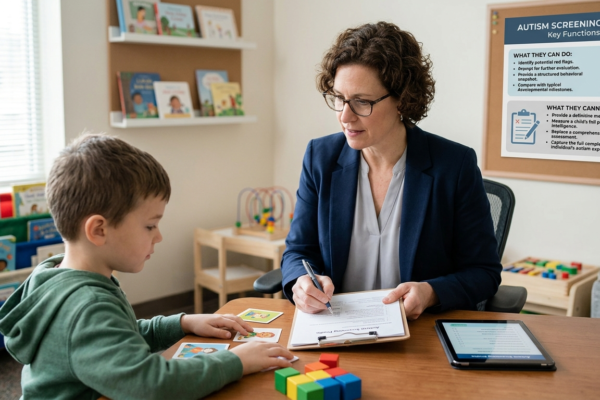
Autism Spectrum Disorder (ASD) diagnosis relies on behavioral observations and developmental history rather than a single medical test. This comprehensive process helps identify early intervention opportunities for children and adults. Early Screening Tools Screening often begins with tools like the Modified Checklist for Autism in Toddlers (M-CHAT), used around 18-24 months to spot social communication…

Read More

Why Autism Understanding Matters: Building a More Inclusive World

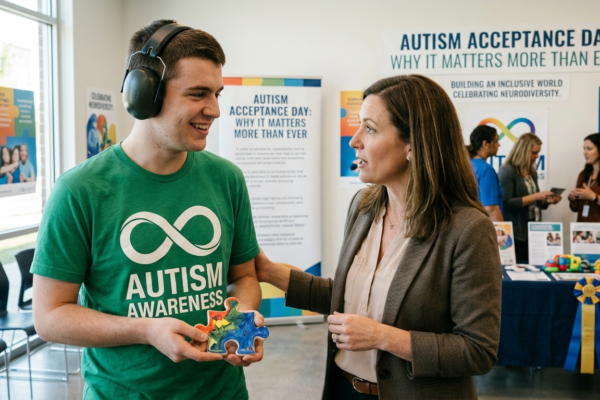
In today’s diverse society, why autism understanding matters has never been more critical. Autism Spectrum Disorder (ASD) affects 1 in 36 children in the U.S., according to the CDC’s latest 2023 data, yet misconceptions persist. Greater awareness fosters empathy, improves support systems, and unlocks potential for millions. This article explores the key reasons why autism understanding matters, from…

Read More

Autism and Nonverbal Communication: Unlocking Hidden Messages

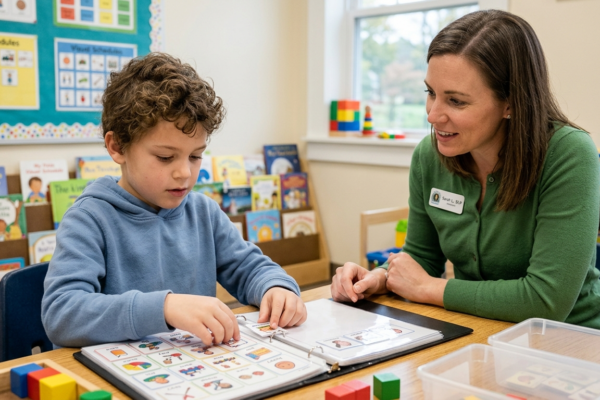
Autism and nonverbal communication often go hand-in-hand, as many individuals on the autism spectrum struggle with traditional verbal expression. Yet, this doesn’t mean they lack a voice—their world brims with subtle cues like gestures, facial expressions, and body language. Understanding autism and nonverbal communication can transform interactions, fostering deeper connections and support. In this article,…

Read More