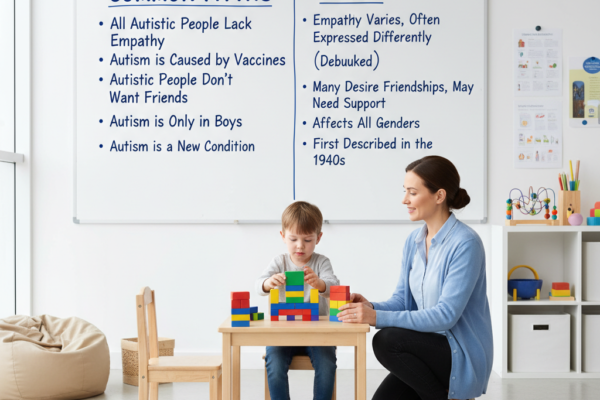


Environmental Factors in Autism

Environmental factors play a significant role in autism spectrum disorder (ASD), alongside genetics, by influencing neurodevelopment during critical prenatal and early postnatal periods. Research highlights how exposures like air pollution and maternal health issues can elevate ASD risk, though no single factor causes it alone. Prenatal Exposures Air pollution, especially traffic-related pollutants during the third…

Read More

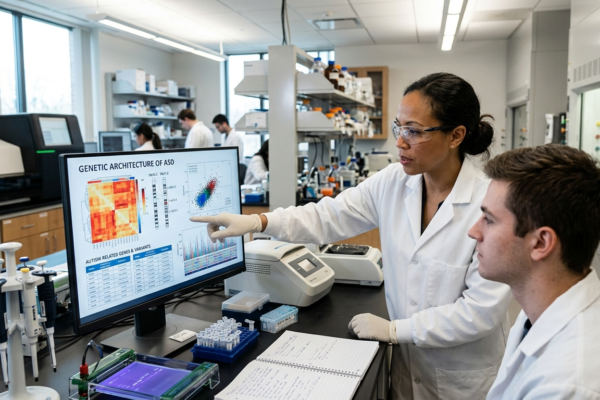
Genetic Factors in Autism: What the Science Reveals

Autism Spectrum Disorder (ASD) affects 1 in 36 children in the U.S., according to the CDC’s 2025 data. While environmental triggers like prenatal exposures play a role, genetic factors in autism dominate the conversation among researchers. Twin studies show heritability rates up to 90%, meaning genes load the gun—but they don’t pull the trigger alone. This article…

Read More

Autism and Brain Development: Key Insights into Early Changes and Interventions

Autism Spectrum Disorder (ASD) profoundly shapes how the brain develops, influencing everything from social skills to sensory processing. Understanding the link between autism and brain development reveals why early diagnosis and targeted therapies can make a world of difference. This article breaks down the science, highlighting atypical neural pathways, genetic factors, and promising interventions. How Brain Development…

Read More

Autism in Pakistan Awareness: Breaking the Silence and Building Support

Autism in Pakistan awareness is growing, but challenges remain in diagnosis, support, and stigma reduction. Autism Spectrum Disorder (ASD) affects 1 in 100 children worldwide, yet in Pakistan, underdiagnosis leaves thousands without vital interventions. This article explores the realities of autism in Pakistan, spotlights local efforts, and calls for global solidarity to amplify awareness. Understanding…

Read More

How Common is Autism Worldwide?

Autism spectrum disorder (ASD) affects millions globally, with recent studies showing a notable rise in diagnosed cases. Understanding its worldwide prevalence helps inform support and awareness efforts. Global Prevalence Estimates Approximately 61.8 million people worldwide—or 1 in 127 individuals—were identified as autistic in 2021, according to the Global Burden of Disease Study published in The Lancet….

Read More

Autism Facts Everyone Should Know

Autism spectrum disorder (ASD) affects millions worldwide, and understanding key facts can foster empathy and better support. This article breaks down essential truths everyone should know to dispel myths and promote awareness. Prevalence Surge Autism now impacts 1 in 31 children, with rates steadily rising over decades. It’s one of the fastest-growing developmental disorders, more…

Read More

History of Autism Discovery

The discovery of autism unfolded over decades through key observations by pioneering researchers, transforming it from misunderstood behaviors to a recognized neurodevelopmental condition. This history highlights critical milestones that shaped modern understanding and diagnosis. Early Observations (Pre-1940s) Behaviors resembling autism appeared in medical literature long before formal identification. In 1911, Swiss psychiatrist Eugen Bleuler coined…

Read More

Why Autism is Called a Spectrum: Understanding the Wide Range of Autism Spectrum Disorder (ASD)

Autism Spectrum Disorder (ASD) affects millions worldwide, but one question comes up often: why is autism called a spectrum? The term “spectrum” perfectly captures the condition’s diversity—no two people with autism experience it exactly the same way. From mild social challenges to profound support needs, autism spans a broad continuum. In this article, we’ll break down…

Read More

Autism in Boys vs Girls: Key Differences in Diagnosis, Symptoms, and Support

Autism Spectrum Disorder (ASD) affects how people communicate, behave, and interact with the world. While it impacts children of all genders, research shows striking differences in how autism presents in boys versus girls—often leading to underdiagnosis in females. Understanding autism in boys vs girls is crucial for parents, educators, and healthcare providers to ensure timely interventions. This…

Read More