
Combining ABA Therapy with Other Interventions: A Practical Guide for Parents
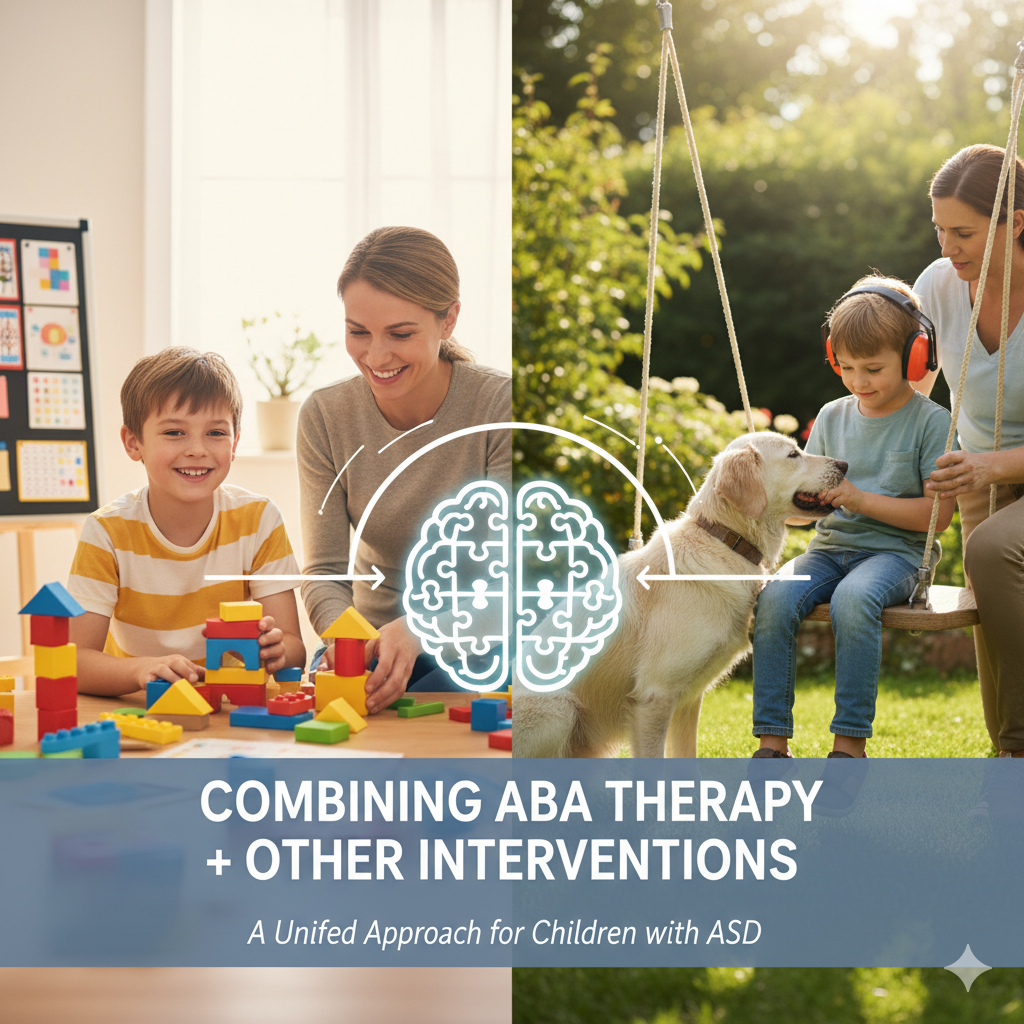
Description; Raising a child with developmental challenges can feel overwhelming, especially when you are trying to choose the right therapies. Many parents hear about Applied Behavior Analysis (ABA) therapy, but they may also be exploring speech therapy, occupational therapy, or educational support. The good news is that ABA therapy does not have to stand alone. In many cases, combining ABA with other interventions can create a more comprehensive and effective support system for your child.
This blog will help parents understand how ABA therapy can work alongside other therapies and why a collaborative approach can benefit children.
Understanding ABA Therapy
ABA therapy is a scientifically supported approach that focuses on improving socially significant behaviors. It helps children learn important skills such as communication, social interaction, self-care, and academic behaviors. ABA works by understanding how behavior is influenced by the environment and then using structured strategies to encourage positive behaviors.
While ABA therapy can be highly effective on its own, children often have multiple developmental needs. This is why many families choose to combine ABA with other interventions.
Why Combine ABA Therapy with Other Interventions?
Every child is unique, and developmental challenges often affect several areas of life. A single therapy may not address all of these areas. By combining ABA with other therapies, parents can ensure that their child receives well-rounded support.
Some key benefits of combining therapies include:
Addressing multiple developmental areas at the same time
Creating consistent learning across different environments
Encouraging faster skill development
Supporting the child’s emotional, social, and physical growth
When professionals collaborate and share strategies, children can experience more consistent progress.
ABA Therapy and Speech Therapy
Many children who benefit from ABA therapy also experience communication difficulties. Speech therapy focuses specifically on language development, articulation, and communication skills.
When ABA and speech therapy work together, therapists can reinforce communication skills across different settings. For example, a speech therapist may teach a child how to request an item verbally, while an ABA therapist helps the child practice this skill during daily activities.
This coordination can help children develop stronger and more functional communication abilities.
ABA Therapy and Occupational Therapy
Occupational therapy focuses on helping children develop daily living skills and improve motor coordination. It often addresses challenges related to sensory processing, fine motor skills, and independence.
When ABA therapy is combined with occupational therapy, children can practice important life skills such as dressing, eating, and classroom participation. Occupational therapists may help a child develop the physical skills needed for tasks, while ABA therapists reinforce these behaviors through structured practice and positive reinforcement.
This teamwork can significantly improve a child’s independence.
ABA Therapy and Educational Support
School environments can sometimes be challenging for children with developmental differences. Educational interventions, special education services, and individualized learning plans can help children succeed academically.
ABA strategies can support learning by improving attention, following instructions, and completing tasks. When teachers and ABA professionals collaborate, children often experience better classroom behavior and improved learning outcomes.
Parents can also play an important role by communicating regularly with both therapists and educators.
The Importance of Collaboration
One of the most important factors in successful therapy is collaboration. When therapists, educators, and parents communicate regularly, they can ensure that everyone is working toward the same goals.
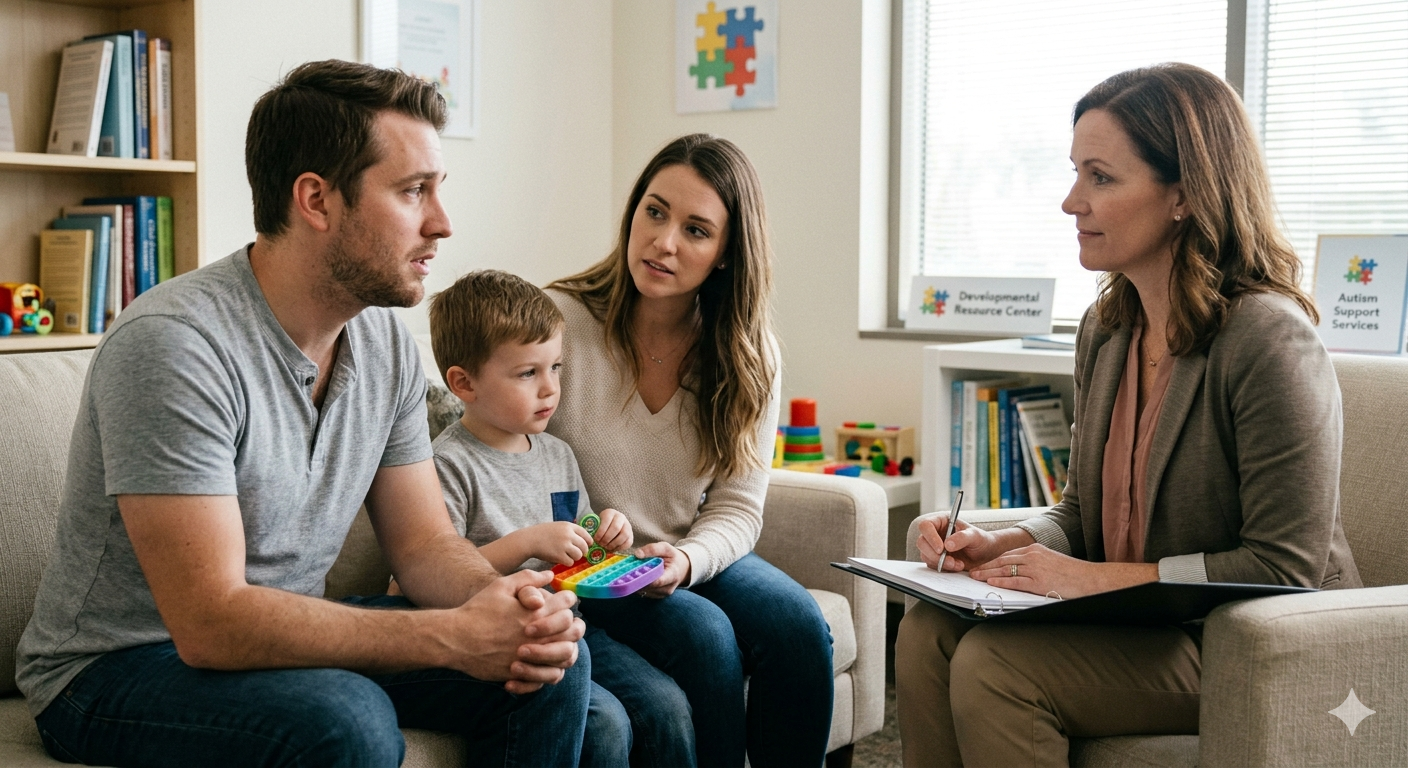
Parents should feel comfortable asking questions and sharing observations about their child’s progress. Regular meetings and progress updates can help ensure that all interventions are aligned and supporting each other.
Consistency across home, therapy sessions, and school can make a significant difference in a child’s development.
How Parents Can Support Combined Interventions
Parents are a vital part of any therapy plan. You can support your child’s progress by staying involved and maintaining open communication with professionals.
Here are a few ways parents can help:
Attend therapy meetings and ask questions about strategies
Practice recommended skills at home
Share feedback about your child’s progress or challenges
Encourage collaboration between therapists and teachers
By actively participating in your child’s therapy journey, you help create a supportive and consistent learning environment.
Final Thoughts
Combining ABA therapy with other interventions can provide children with a more comprehensive support system. Each therapy focuses on different aspects of development, and together they can help children build communication skills, independence, and confidence.
For parents, the key is to stay informed, work closely with professionals, and ensure that all therapies are coordinated. With the right combination of support, children can make meaningful progress and reach their full potential.
Every child’s journey is unique, but with patience, teamwork, and the right interventions, positive growth is always possible.