
Common Misconceptions About ABA Therapy: What Parents Should Know

Description; Applied Behavior Analysis (ABA) therapy is widely recognized as one of the most effective interventions for children with autism and other developmental challenges. Despite its proven benefits, there are still many misconceptions that can make parents hesitant or unsure about pursuing ABA therapy for their child. Let’s break down some of the most common myths and provide clarity.
- ABA Therapy Is Only for Children with Severe Autism
Many parents think ABA is only suitable for children with severe autism. In reality, ABA therapy is highly flexible and can benefit children across the autism spectrum, as well as those with other developmental or behavioral challenges. Programs are tailored to each child’s unique needs, strengths, and goals, making it effective for a wide range of abilities.
- ABA Therapy Is Just About Teaching Skills
While skill development is a core part of ABA, it’s not limited to academics or basic tasks. ABA also focuses on social skills, communication, self-regulation, and adaptive behaviors—helping children navigate real-life situations independently and confidently.
- ABA Therapy Is Punitive or Harsh
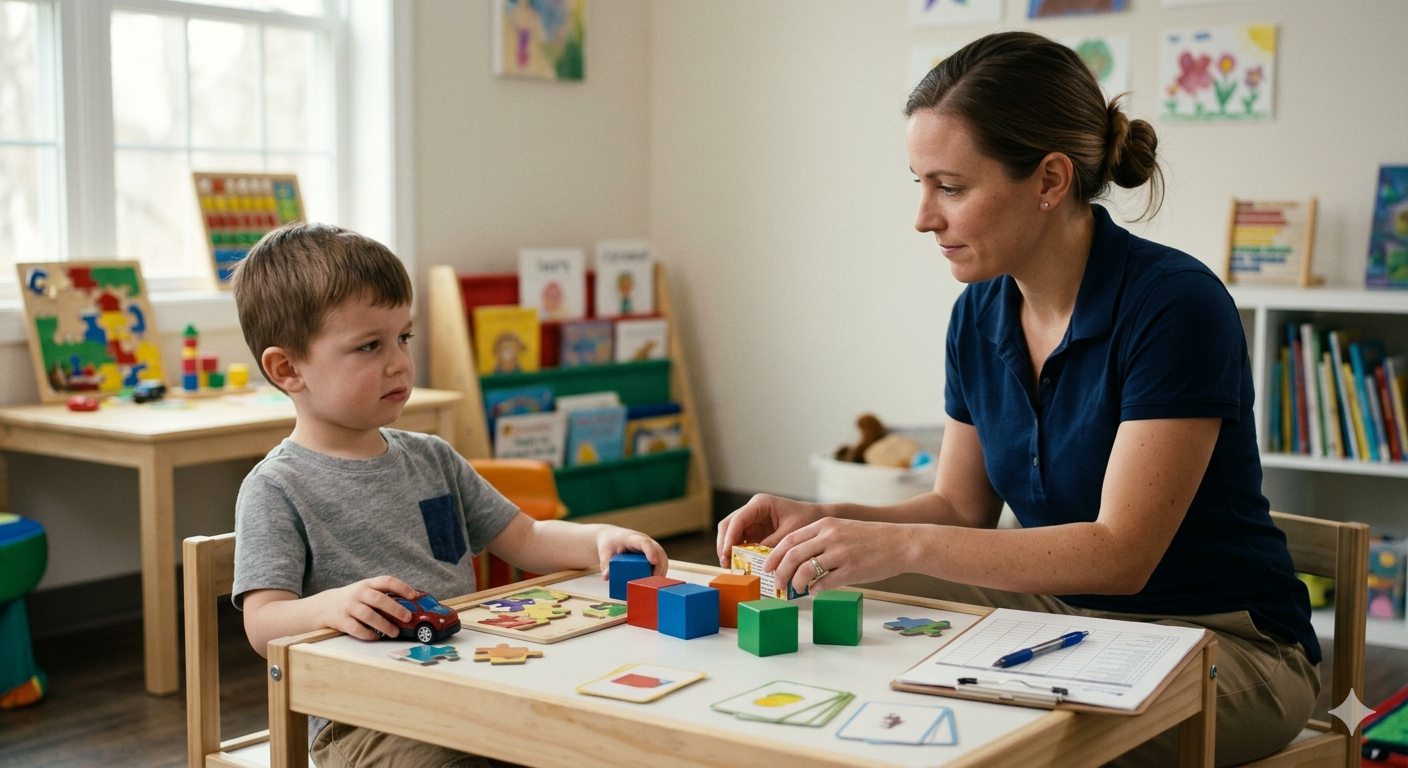
Some parents worry ABA uses punishment or negative reinforcement. Modern ABA therapy is compassionate, positive, and child-centered. Therapists focus on encouragement, reinforcement, and motivation rather than punishment. The goal is to make learning enjoyable and supportive for the child.
- ABA Therapy Makes Children Robotic
A common misconception is that ABA “forces” children to act unnaturally or suppress their personality. On the contrary, ABA helps children express themselves, communicate effectively, and gain skills that allow them to interact with the world in ways that feel natural to them.
- ABA Therapy Only Happens in a Clinic
ABA therapy is not limited to clinical settings. Many programs include in-home sessions, school support, and community-based activities. This ensures that children can apply learned skills in real-life environments, which is crucial for meaningful progress.
- ABA Therapy Works Quickly
Parents may expect immediate results. ABA is a gradual process that requires consistency, patience, and collaboration between therapists, parents, and educators. While some changes can be seen early, long-term commitment usually produces the most meaningful outcomes.
- Parents Are Not Involved in ABA Therapy
ABA works best when parents are active participants. Therapists often train parents to reinforce skills at home, helping children generalize their learning across different settings. Parent involvement is key to a child’s progress and success.
Final Thoughts
ABA therapy has evolved significantly over the years, guided by research, best practices, and the individual needs of each child. Understanding these misconceptions can help parents make informed decisions and approach therapy with confidence. Every child is unique, and ABA is designed to support their growth in a nurturing, positive, and meaningful way.