

Cultural Differences in Autism Diagnosis: Why One Size Doesn’t Fit All
Autism Spectrum Disorder (ASD) affects millions worldwide, but cultural differences in autism diagnosis create stark disparities in how it’s identified and addressed. In Western countries like the US and UK, diagnosis rates have surged thanks to widespread screening and awareness campaigns. Yet, in many non-Western cultures, autism remains underdiagnosed—or misdiagnosed entirely. These gaps aren’t just numbers; they impact access to therapies like ABA, speech therapy, and occupational therapy. Let’s explore why culture shapes autism diagnosis and what it means for families everywhere.
Awareness and Stigma: The First Barrier
In individualistic cultures such as the United States or Australia, parents often seek early evaluations for developmental delays. The CDC reports that about 1 in 36 US children receive an autism diagnosis by age 8, fueled by tools like the M-CHAT screening questionnaire used in pediatric checkups.
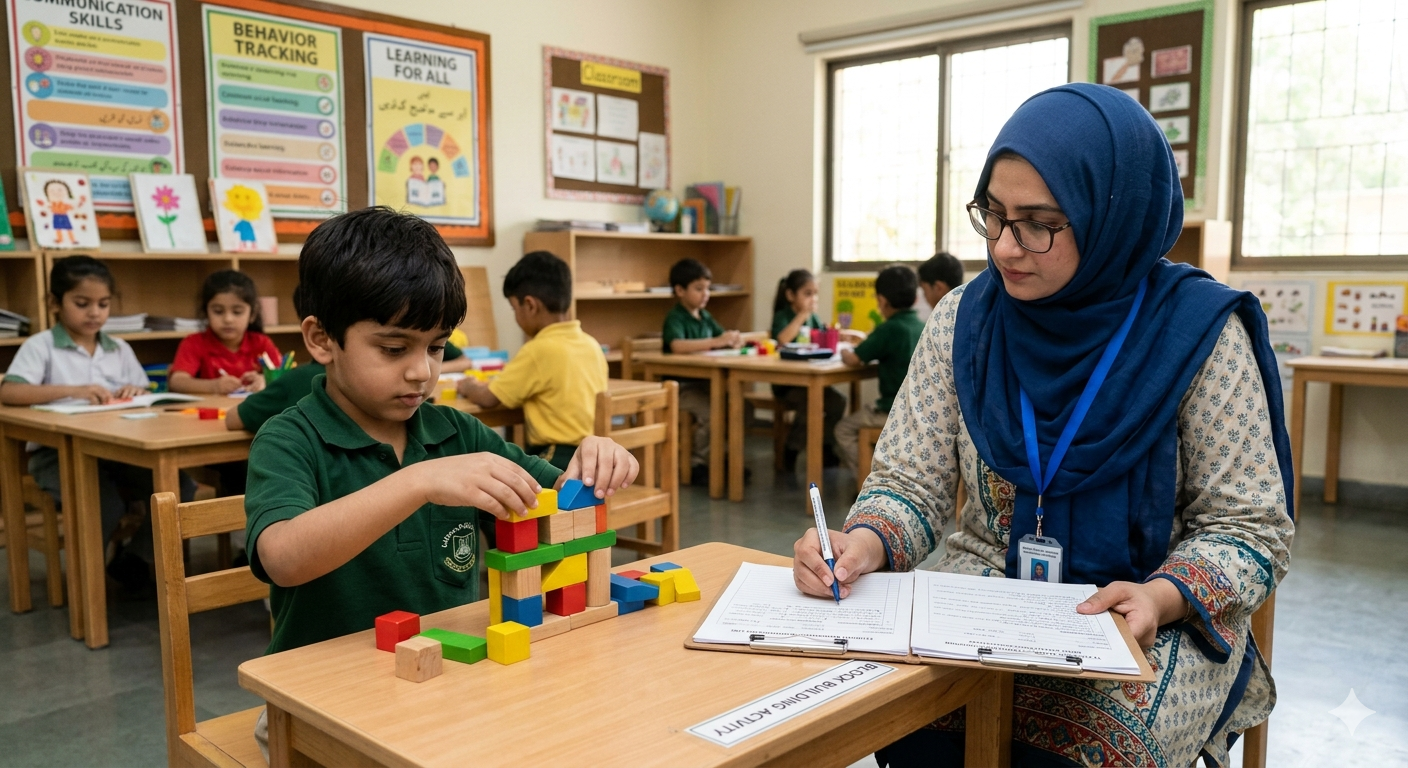
Contrast this with collectivist societies in South Asia, the Middle East, or parts of Africa. There, stigma labels autistic behaviors as “divine punishment,” “spirits,” or simple “laziness.” A 2020 study in Autism Research found South Asian families in the UK delay diagnosis by up to 2 years due to fears of family dishonor. In rural India or Pakistan, children might see traditional healers instead of specialists, missing the window for early intervention.
Example: A child exhibiting repetitive behaviors in the US might get flagged at preschool; in some Latin American cultures, it’s dismissed as “just quirky” until school failure forces attention.
Diagnostic Tools: Not Universally Effective
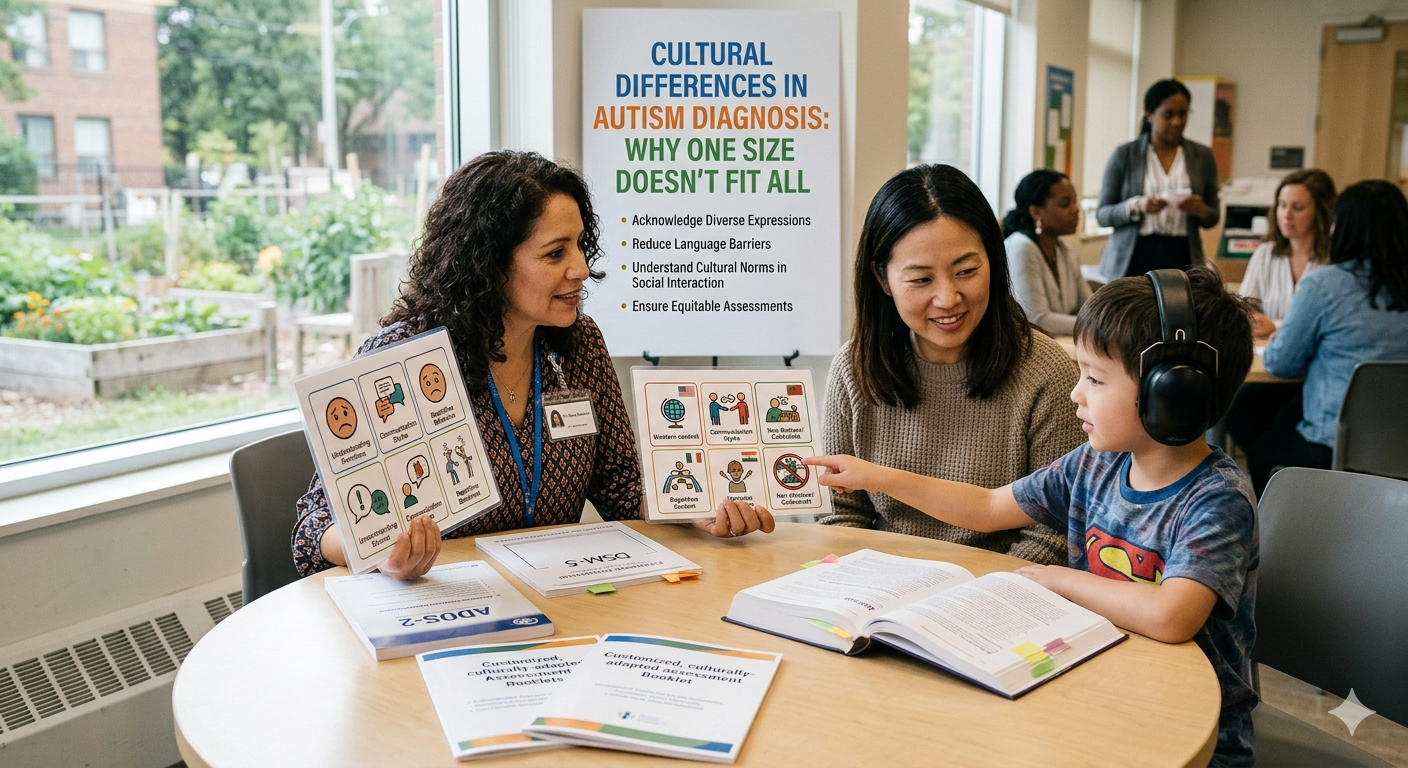
Standard autism assessments like the ADOS-2 or ADI-R were developed in Western contexts, relying on eye contact, joint attention, and verbal responses. These don’t always align with diverse norms.
-
In East Asian cultures (e.g., China, Japan), strong emphasis on conformity means less eye contact is normal politeness, not a red flag. A Journal of Autism and Developmental Disorders study showed Asian-American children score lower on these tools, leading to underdiagnosis.
-
Middle Eastern and African families may prioritize communal harmony over individual expression, masking social deficits.
-
Gender biases amplify this: Girls across cultures are underdiagnosed because they “camouflage” symptoms better, per UK National Autistic Society data.
Western clinicians sometimes overlook these nuances, resulting in biased diagnoses. Immigrant families in Canada or the UK report their concerns dismissed as “cultural differences” rather than autism.
Language and Expression: Hidden Hurdles
Autism diagnosis hinges on communication milestones, but cultural linguistics complicate this. Bilingual children from Hispanic or Arabic-speaking homes might seem delayed simply due to code-switching between languages.
In high-context cultures like those in Japan or Saudi Arabia, indirect communication is the norm—nonverbal cues dominate. Western tools miss this, as noted in a WHO report on global neurodiversity. For instance, a French-Canadian child using formal speech might not trigger alarms, while an English-speaking one does.
Access and Systemic Inequities
Even when awareness exists, barriers persist:
-
Geography: Urban US families access specialists easily; rural Indian villages lack them.
-
Socioeconomics: Low-income Black or Indigenous families in the US face 30-50% lower diagnosis rates (CDC data), mirroring patterns in Brazil or South Africa.
-
Healthcare Models: Universal systems in Scandinavia enable early screening, unlike privatized or overburdened ones elsewhere.
These cultural differences in autism diagnosis perpetuate inequities, delaying therapies that could transform lives.
Bridging the Gap: Steps Forward
Experts call for culturally adapted tools, like the Arabic ADOS version or community-based screening in Africa. Training diverse clinicians and partnering with cultural leaders reduces stigma—initiatives like the UK’s Ambitious about Autism campaign show promise.
Parents can advocate by tracking milestones early and seeking multicultural providers. Globally, awareness campaigns must go beyond Western models to honor local values.
In a connected world, understanding cultural differences in autism diagnosis isn’t optional—it’s essential for equitable care. Early, accurate identification unlocks therapies and support, no matter where you live.