


Discover the Best Occupational Therapy Program for Lasting Recovery
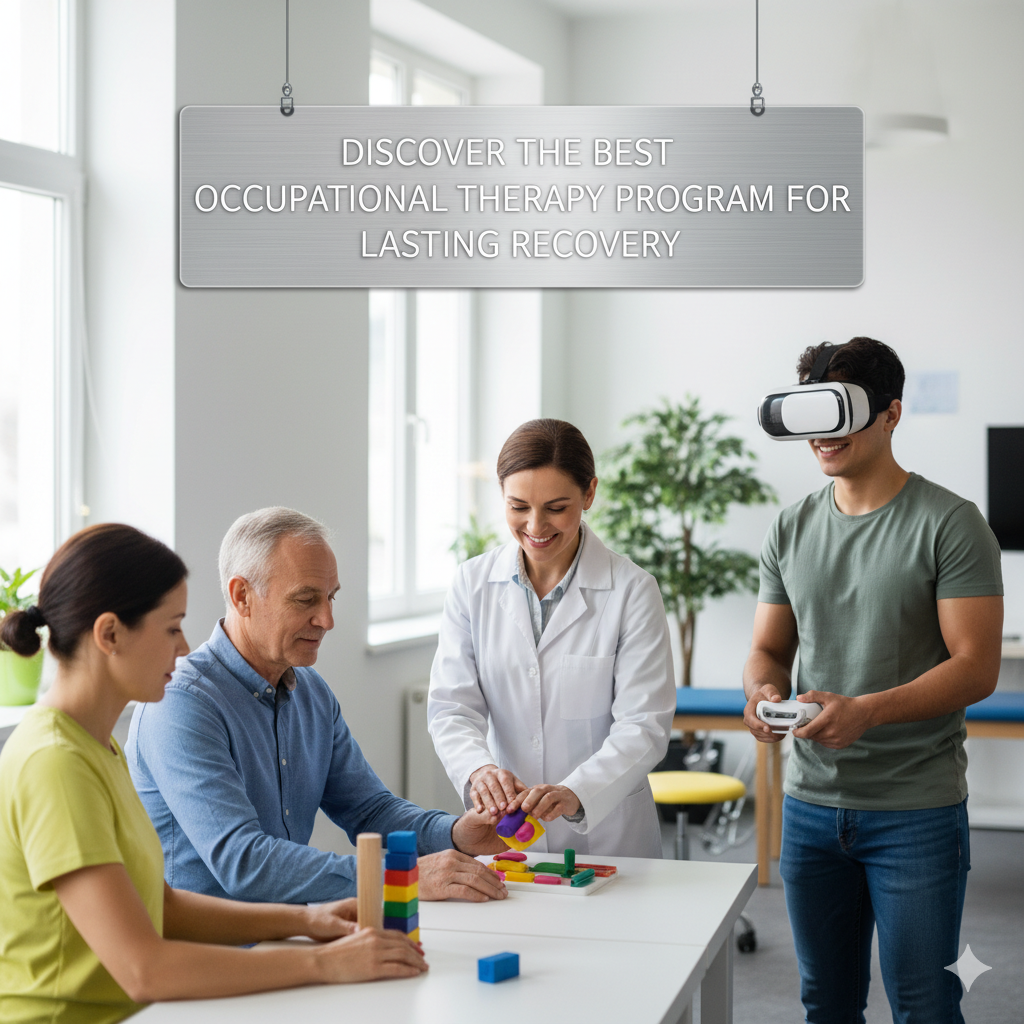
Are you searching for a top occupational therapy program to regain independence after an injury, surgery, or developmental challenge? Occupational therapy (OT) programs empower people of all ages to perform daily activities with confidence. These structured initiatives focus on building practical skills through personalized exercises, adaptive strategies, and real-world practice. Whether for children with sensory issues or adults recovering from strokes, the right occupational therapy program transforms lives.
In this guide, we’ll explore what makes an effective OT program, its key benefits, and how to choose one that fits your needs.
What Is an Occupational Therapy Program?
An occupational therapy program is a customized plan designed by licensed occupational therapists to improve fine motor skills, coordination, and daily functioning. Unlike general physical therapy, OT zeros in on “occupations”—everyday tasks like dressing, cooking, or working.
Programs typically last 4-12 weeks, with sessions 1-3 times weekly. They might occur in clinics, schools, hospitals, or homes. For example, a child in an occupational therapy program for autism could learn to tie shoelaces using fun, sensory-based games, while an elderly participant practices safe meal prep to avoid falls.
Core components include:
-
Assessment: Initial evaluation of strengths and barriers.
-
Goal Setting: Tailored milestones, like gripping utensils or typing on a keyboard.
-
Interventions: Hands-on activities with tools like weighted vests or therapy putty.
-
Progress Tracking: Regular check-ins to adjust the plan.
Key Benefits of Joining an Occupational Therapy Program
Enrolling in a quality occupational therapy program yields measurable gains. Studies from the American Occupational Therapy Association (AOTA) show participants often see 20-50% improvements in daily task performance within months.
Top advantages:
-
Boosts Independence: Learn adaptive techniques, reducing reliance on caregivers.
-
Enhances Mental Health: Reduces frustration and anxiety by mastering skills.
-
Supports Diverse Needs: Ideal for conditions like arthritis, ADHD, post-stroke recovery, or developmental delays.
-
Promotes Long-Term Wellness: Builds habits for lifelong functionality.
Consider Sarah, a 45-year-old office worker sidelined by carpal tunnel. Her OT program incorporated ergonomic training and hand-strengthening exercises, allowing her to return to work pain-free in six weeks.
Types of Occupational Therapy Programs
Occupational therapy programs vary by setting and focus:
Many now offer telehealth options for flexible access.
How to Choose the Right Occupational Therapy Program
Selecting the best occupational therapy program starts with research. Look for:
-
Certified therapists (OTR/L credential).
-
Evidence-based methods, like those endorsed by AOTA.
-
Positive reviews and success rates.
-
Insurance coverage or affordable pricing.
Steps to get started:
-
Consult your doctor for a referral.
-
Research local clinics via AOTA’s directory (aota.org).
-
Schedule a free consultation to discuss goals.
-
Verify program flexibility, like virtual sessions.
In the U.S., popular providers include outpatient centers like ATI Physical Therapy or specialized pediatric hubs like Kids Unlimited Learning Academy.
Start Your Occupational Therapy Program Today
A dedicated occupational therapy program isn’t just treatment—it’s a pathway to empowerment. From kids mastering playground skills to adults reclaiming hobbies, OT delivers real results. Ready to take the first step? Contact a local provider and unlock your potential.
Sources: American Occupational Therapy Association (AOTA), CDC rehabilitation guidelines.