


DSM-5 Autism Definition: Why It Falls Short
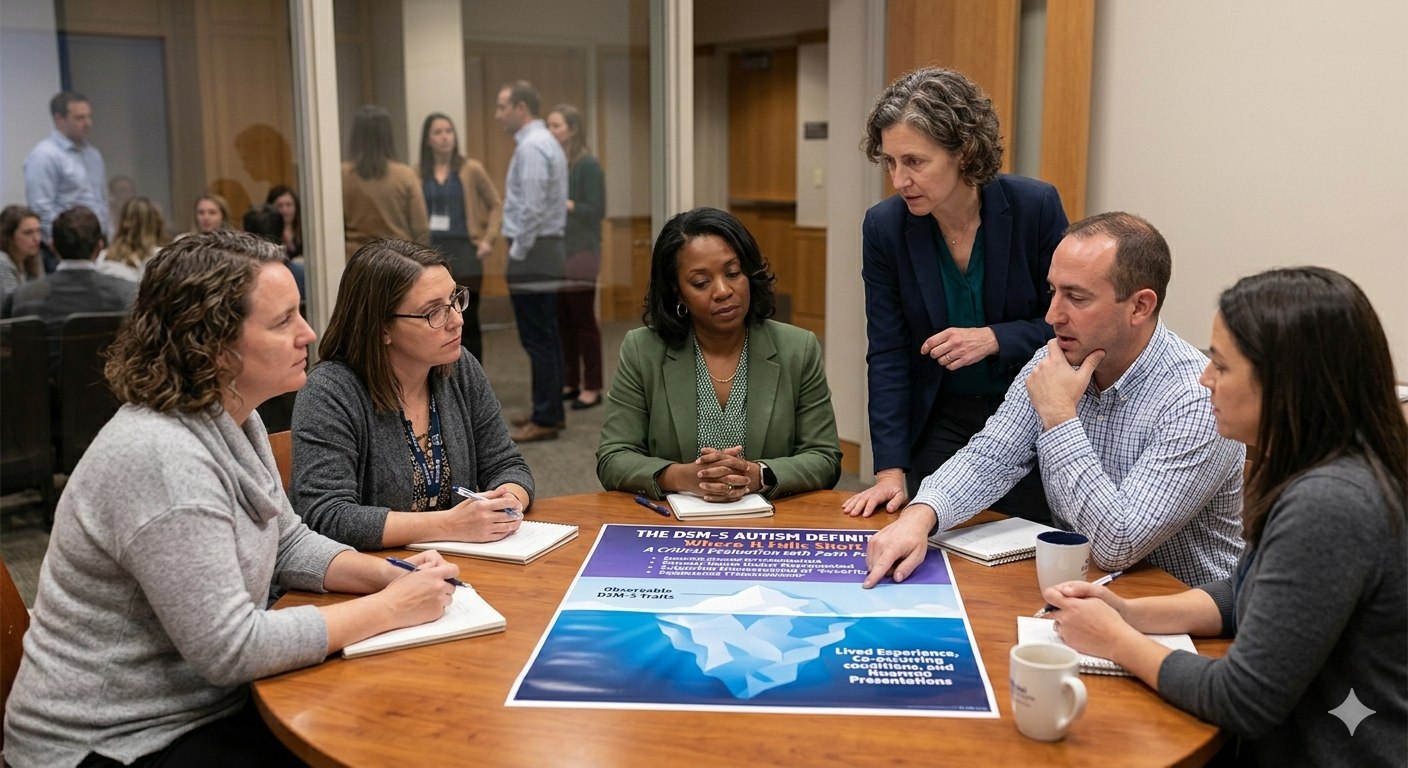
The DSM-5’s definition of autism spectrum disorder (ASD) has sparked significant debate since its 2013 release, with critics arguing it narrows the diagnostic criteria too much, potentially excluding many who need support. This shift from DSM-IV’s separate categories like Asperger’s syndrome and PDD-NOS to a single ASD umbrella aimed for clarity but raised concerns about underdiagnosis.
Key DSM-5 Criteria Overview
The DSM-5 requires persistent deficits in social communication and interaction across contexts, plus restricted, repetitive behaviors, with symptoms present in early development. Examples include poor social-emotional reciprocity, nonverbal communication challenges, and sensory sensitivities—now explicitly added as a criterion.
Critics note this demands at least two social-communication deficits and two repetitive behaviors, making it stricter than before.
Major Criticisms
Studies show DSM-5 identifies only 61% of those previously diagnosed under DSM-IV, with just 25% of Asperger’s cases retaining a diagnosis. High-functioning individuals and those with milder PDD-NOS symptoms are hit hardest, risking loss of services.
Criterion C—requiring early developmental symptoms—confuses cases where signs emerge later or are masked by coping strategies.
Impact on Diagnosis Rates
Research found a 47% drop in ASD diagnoses for toddlers under DSM-5 versus DSM-IV-TR, especially for PDD-NOS (88% exclusion rate). This under-identification affects access to interventions for milder cases.
A decade later, debates persist as the criteria’s higher threshold fails some on the spectrum.
Why Reform Is Needed
The DSM-5’s unification overlooked prospective validation, blurring boundaries and discriminating against higher-IQ individuals. Autism advocates worry it limits legal protections and therapies, urging refinements for inclusivity.
Interdisciplinary teams show better consistency, but broader tweaks could ensure no one slips through.