
Early Signs of Autism in Toddlers: What Parents Should Watch For

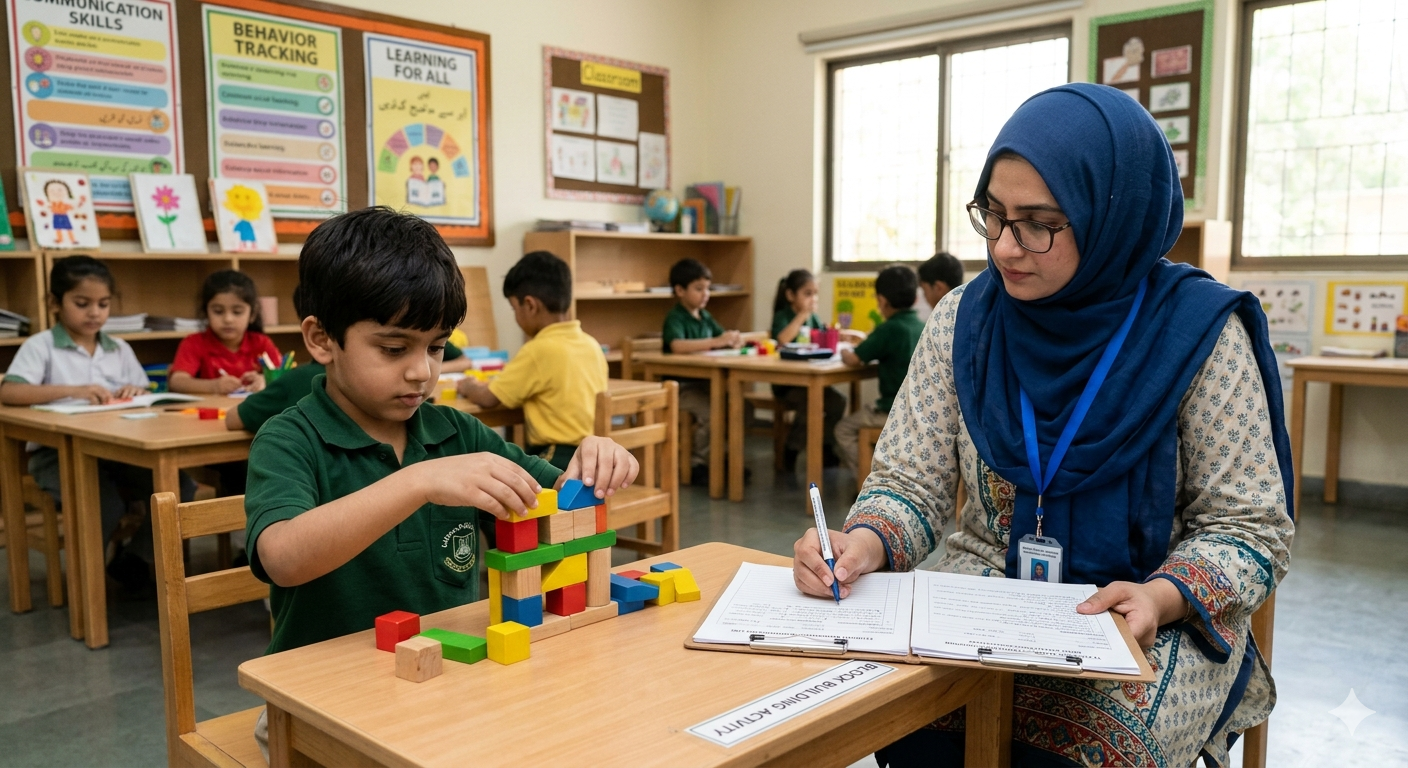
Autism Spectrum Disorder (ASD) often shows its first signs between 12 and 24 months, though some clues can appear as early as 6 months. Recognizing these early red flags helps parents seek timely evaluation and support, which can significantly improve a child’s development. The key areas to watch are social interaction, communication, and behavior.
Social Interaction Differences
Children with ASD may show reduced interest in social connection. For example, they might make little or no eye contact, rarely smile back when you smile, or seem indifferent to others’ emotions. They may not respond consistently when their name is called, prefer to play alone, and show limited interest in sharing toys or activities with others. By 15–18 months, most toddlers will point to objects of interest and check back with a caregiver, whereas a child with autism may instead take your hand and lead you to the object without sharing the experience.
Communication and Language Delays
Language and communication delays are common early signs. By 12 months, toddlers with autism may babble less or not at all, and they may not use gestures like pointing or waving to communicate. Between 12 and 24 months, they might have limited or no speech, repeat words or phrases without understanding (echolalia), or lose words they once used. Their tone of voice can sound flat or robotic, and they may not respond to simple verbal instructions or questions.
Repetitive Behaviors and Sensory Sensitivities
Repetitive or restricted behaviors are another hallmark of ASD. Toddlers may flap their hands, rock back and forth, walk on their toes, or repeat movements for extended periods. They often insist on strict routines and become very upset by changes in daily patterns. Many children with autism are also unusually sensitive or under‑sensitive to sensory input—such as loud noises, bright lights, certain textures, or strong smells—which can lead to meltdowns or withdrawal.
When to Seek Help
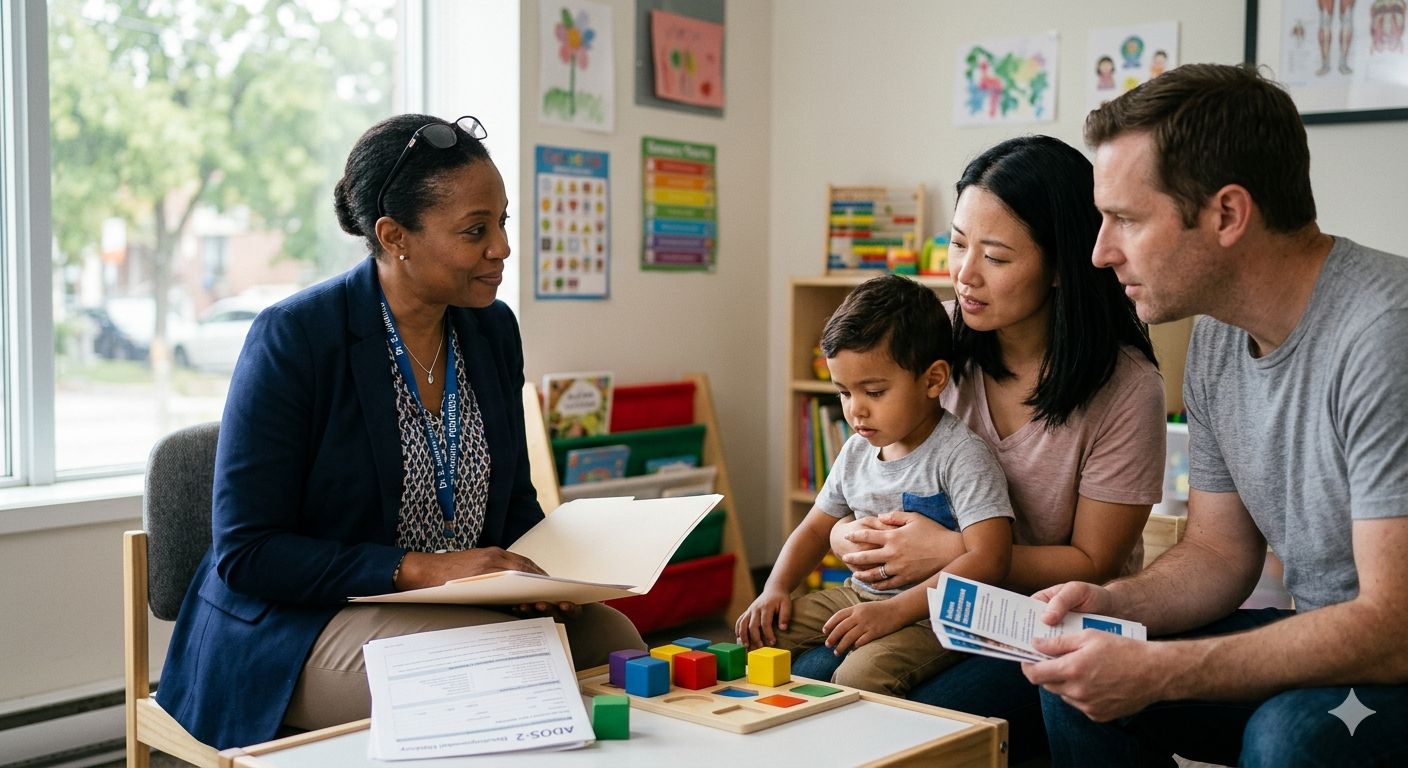
If you notice several of these signs, especially if your child is under 2 and shows delays in social or language skills, it’s important to talk to your pediatrician or a developmental specialist. Early intervention, including speech therapy, occupational therapy, and behavioral therapies like ABA, can make a significant difference in helping children with ASD develop essential skills and reach their full potential. Regular developmental screening and parent observations are key to catching autism early and supporting your toddler’s journey toward growth and independence.