


How ABA Therapy Helps Reduce Challenging Behaviors
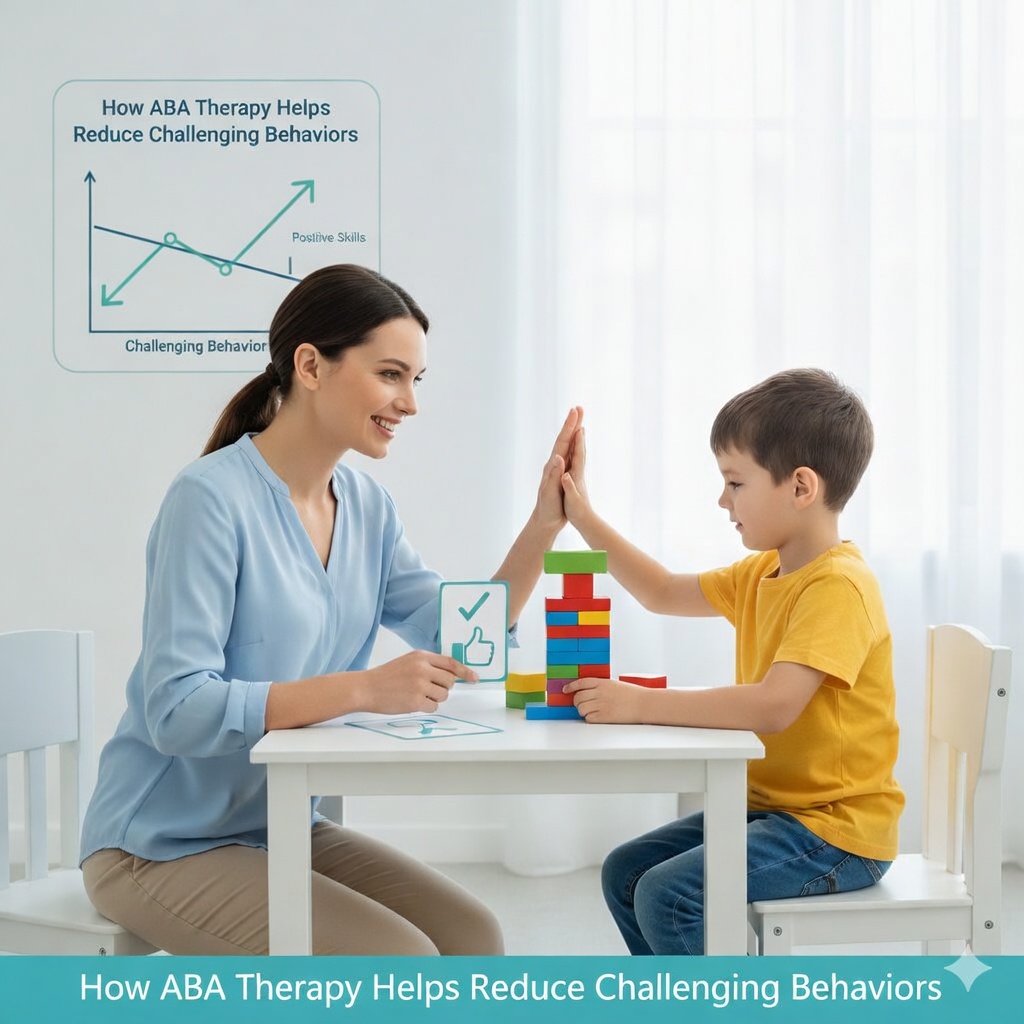
Description; Parenting a child with autism or other developmental challenges can sometimes feel overwhelming, especially when your child displays behaviors that are hard to manage. These behaviors—such as aggression, tantrums, self-injury, or refusal to follow instructions—can impact family life and your child’s ability to learn and thrive. Fortunately, Applied Behavior Analysis (ABA) therapy has been proven to help children reduce these challenging behaviors while promoting positive skills.
Understanding Challenging Behaviors
Challenging behaviors are often a form of communication. A child may act out because they are frustrated, seeking attention, avoiding tasks, or experiencing sensory discomfort. Without support, these behaviors can become patterns that are difficult to change.
ABA therapy addresses the root causes of behavior rather than simply punishing or ignoring it. Through careful observation and analysis, therapists identify what triggers these behaviors and what the child gains from them.
How ABA Therapy Works
ABA therapy is based on the principles of learning and reinforcement. It uses structured techniques to teach children new skills while decreasing unwanted behaviors. Here’s how it helps:
Identifying Triggers
Therapists first observe when, where, and why a challenging behavior occurs. For example, a child may throw toys when asked to clean up. Identifying the trigger allows the therapist to design targeted interventions.
Teaching Replacement Behaviors
Instead of just trying to stop the behavior, ABA teaches a more appropriate way to express needs. In the toy example, the child might be taught to request help instead of throwing toys.
Positive Reinforcement
ABA encourages positive behavior through rewards such as praise, tokens, or preferred activities. This makes children more likely to repeat desired behaviors.
Consistent Practice
Consistency is key. ABA programs often involve daily sessions where new skills are practiced in a supportive environment, gradually reducing challenging behaviors over time.
Data-Driven Approach
Progress is closely monitored. Therapists collect data on behaviors and skills, adjusting strategies as needed to ensure the child continues improving.
Benefits for Children and Families
ABA therapy doesn’t just help children; it supports families too. Some of the benefits include:
Fewer tantrums and aggressive behaviors
Improved communication skills
Increased ability to follow instructions and routines
Greater independence in daily tasks
Reduced stress for parents and caregivers
Getting Started with ABA
If your child shows challenging behaviors, consider reaching out to a qualified ABA therapist. They can provide a personalized plan tailored to your child’s needs and work closely with your family to create a supportive, structured environment.
Remember, change takes time and patience. With the right guidance, children can learn to manage their behaviors, build new skills, and thrive in everyday life.