

How ABA Therapy Improves Communication Skills
Description; Communication is one of the most important skills a child develops. It allows children to express their needs, share feelings, build friendships, and understand the world around them. For many children with autism or developmental delays, communication can be challenging. This is where Applied Behavior Analysis (ABA) therapy can play an important role in helping children build strong communication skills.
Understanding Communication Challenges
Many children with autism experience difficulties with communication. Some may have delayed speech, while others may struggle to understand language or express their needs clearly. These challenges can sometimes lead to frustration for both the child and their parents. When a child cannot communicate effectively, they may use behaviors such as crying, tantrums, or withdrawal to express what they want or feel.
ABA therapy focuses on understanding the reasons behind these behaviors and teaching children more effective ways to communicate.
What is ABA Therapy?
Applied Behavior Analysis (ABA) is a therapy based on the science of learning and behavior. It helps children learn new skills by breaking them down into small, manageable steps and reinforcing positive behaviors. ABA therapists observe how a child learns and communicates, then design individualized strategies to support their development.
The goal of ABA therapy is not only to reduce challenging behaviors but also to help children develop meaningful life skills, including communication.
Teaching Basic Communication Skills
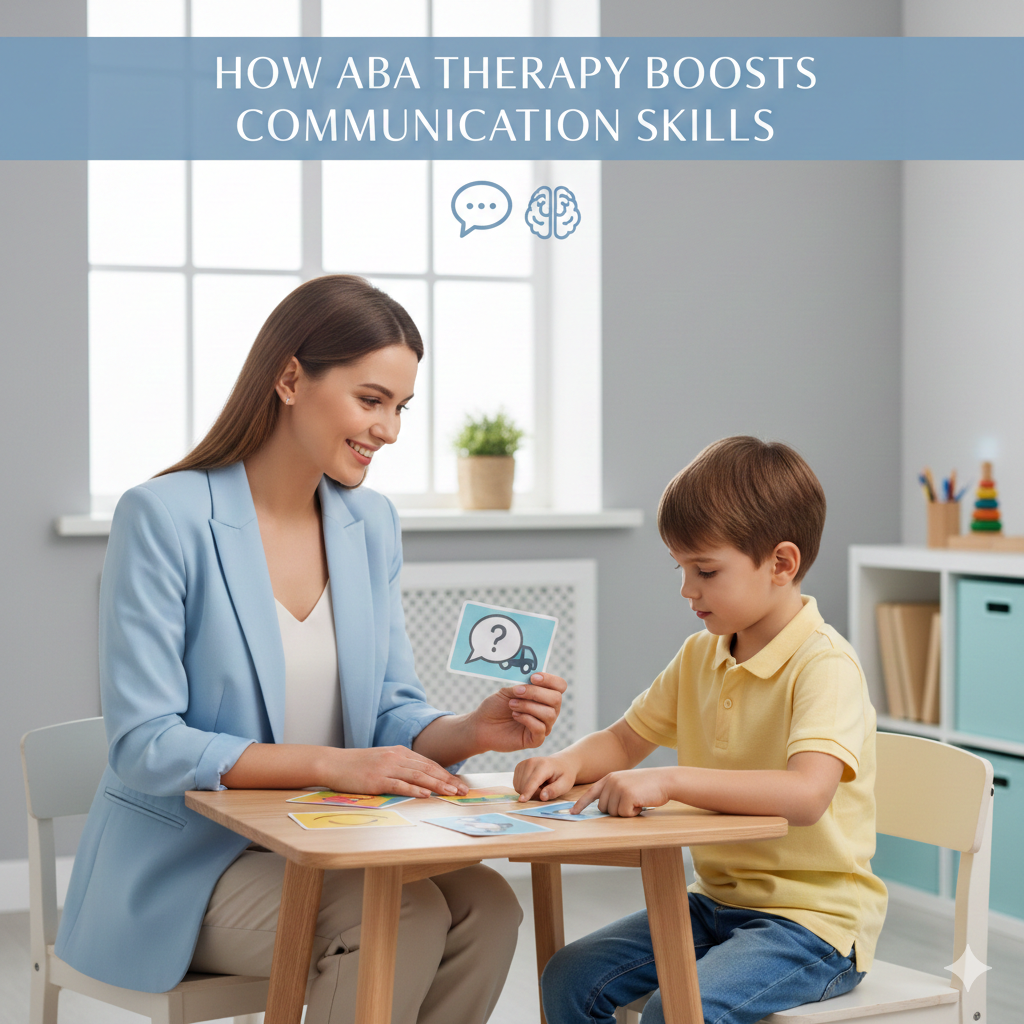
One of the first goals in ABA therapy is helping children learn basic communication skills. Therapists may begin by teaching children how to request items they want, such as food, toys, or help from others. This may involve spoken words, gestures, pictures, or communication devices depending on the child’s needs.
For example, a therapist might encourage a child to say or point to “water” when they are thirsty. When the child successfully communicates, they receive the water along with positive encouragement. Over time, the child learns that communication is an effective way to get their needs met.
Expanding Language and Vocabulary
As children become comfortable with basic communication, ABA therapy gradually helps them expand their vocabulary and language skills. Children learn to label objects, answer questions, and describe their thoughts or experiences.
Therapists use structured teaching techniques, repetition, and positive reinforcement to help children practice new words and phrases. Parents often notice that their child becomes more confident in expressing themselves as these skills grow.
Improving Social Communication
Communication is not only about speaking; it also includes social interaction. ABA therapy helps children learn how to communicate appropriately with others in social situations.
Children practice skills such as:
Taking turns in conversations
Making eye contact
Asking questions
Responding to others
Understanding facial expressions and body language
These social communication skills help children build friendships and feel more comfortable interacting with family members, teachers, and peers.
Reducing Frustration Through Communication
When children gain the ability to express their needs and feelings, many challenging behaviors naturally decrease. Instead of crying or becoming upset, children learn to use words, gestures, or other communication tools.
For parents, this change can make daily life much smoother. Simple activities like mealtime, playtime, or going out in public become easier when a child can clearly communicate what they need.
The Role of Parents in Communication Development
Parents play a very important role in reinforcing communication skills at home. ABA therapists often guide parents on how to support their child’s learning outside of therapy sessions.
Simple strategies parents can use include:
Encouraging the child to request items instead of guessing their needs
Praising the child when they attempt to communicate
Giving the child time to respond in conversations
Practicing communication during everyday activities
Consistency between therapy and home routines helps children progress faster and feel more confident using their communication skills.
Long-Term Benefits of ABA Therapy
With consistent practice and support, many children who receive ABA therapy show significant improvements in communication. These improvements help children become more independent, participate in school activities, and build stronger relationships with family and friends.
Every child develops at their own pace, but ABA therapy provides structured support that can help children unlock their ability to communicate and connect with the world around them.
Final Thoughts
Communication is the foundation of learning, relationships, and independence. ABA therapy provides practical, evidence-based methods that help children develop these essential skills step by step. For parents, seeing their child begin to express their needs, share their thoughts, and engage with others can be one of the most rewarding outcomes of therapy.
With patience, guidance, and the right support, children can make meaningful progress in communication and gain greater confidence in their everyday lives.