


How Autism is Diagnosed
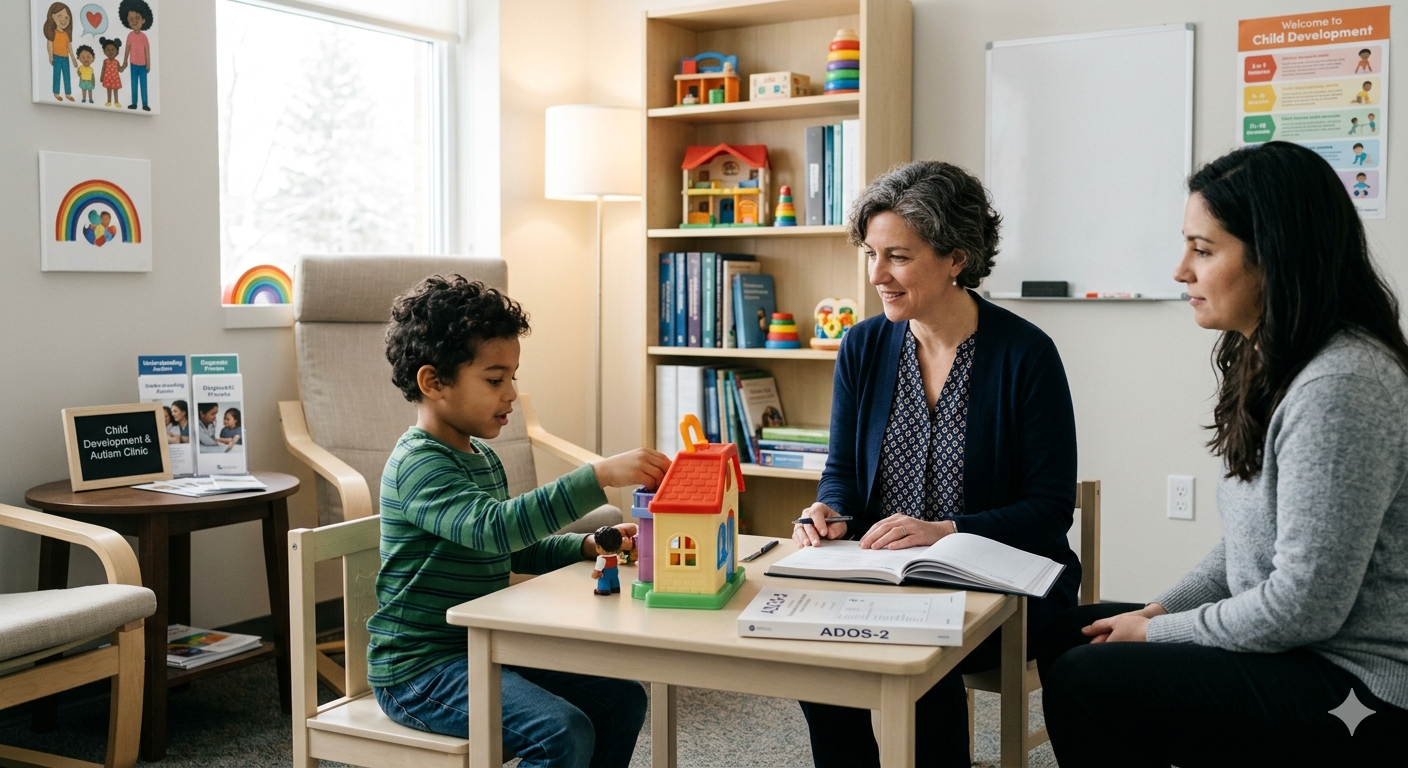
Autism Spectrum Disorder (ASD) diagnosis relies on behavioral observations and developmental history rather than a single medical test. This comprehensive process helps identify early intervention opportunities for children and adults.
Early Screening Tools
Screening often begins with tools like the Modified Checklist for Autism in Toddlers (M-CHAT), used around 18-24 months to spot social communication delays. Pediatricians review milestones such as eye contact, response to name, and joint attention during routine checkups. Positive screens lead to referrals for specialists like developmental pediatricians or psychologists.
Diagnostic Criteria
The DSM-5 outlines two core areas: persistent deficits in social communication and restricted, repetitive behaviors. Diagnosis requires symptoms in both categories present from early development, causing significant impairment. Clinicians rule out other conditions like language disorders or intellectual disability through multidisciplinary evaluations.
Key Assessment Methods
A full evaluation includes parental interviews on pregnancy history, family genetics, and sensory issues, plus cognitive and language testing. Standardized tools like ADOS-2 (observation schedule) and ADI-R (developmental interview) provide structured data. Observations occur in natural settings to assess play, interaction, and repetitive behaviors.
Medical and Genetic Tests
While not diagnostic alone, tests like chromosome microarray or metabolic screens identify related conditions such as seizures or genetic syndromes. Ear infections or family history of disorders inform the picture. No blood test confirms autism, emphasizing behavioral focus.
Diagnosis in Older Children and Adults
For school-age kids or adults, assessments adapt to include academic performance and adaptive skills. Self-reporting or informant history addresses subtler presentations, especially in females or high-masking individuals. Telehealth options like Tele-ASD-Peds expand access.
Next Steps After Diagnosis
Post-diagnosis, teams recommend therapies like ABA or speech therapy tailored to needs. Early identification, ideally by age 2-3, improves outcomes. Families should seek local resources for ongoing support.